PCB Control Chart Selection: Watching the Process Modern electronics depend on boards that are assembled correctly the first time. Every product – a phone, a charger, a medical instrument or an industrial controller – relies on thousands of solder joints that must conduct current for years. This article explains PCB…
Stack-up Planning: Layers, Dielectric Thickness and Cost The stack-up is the decision that determines the impedance, the routing capacity, the cost and the fabrication yield of a board. It is usually made early, often by default, and revisited only when something has gone wrong. What the Stack-up Determines The number…
Return Path Continuity and Reference Plane Splits A signal leaves its driver and returns to its receiver through a conductor that the schematic does not show. Where that return path is not continuous, the signal finds another route, and the change in the loop area is what produces the emissions,…
PCB Ion Chromatography Testing: Naming the Residue Electronics manufacturing has become a discipline of small details. Solder paste volumes, placement accuracy, temperature profiles and inspection limits all add up to the final result. This guide looks at PCB ion chromatography testing from the perspective of a PCBA factory floor, covering…
PCB Sampling Plan Design: How Much to Check Electronics manufacturing has become a discipline of small details. Solder paste volumes, placement accuracy, temperature profiles and inspection limits all add up to the final result. This guide looks at PCB sampling plan design from the perspective of a PCBA factory floor,…
PCB AQL Levels Explained: Agreeing on Defects Buyers and engineers often focus on the finished product and forget the production line behind it. In practice, most field failures can be traced back to process decisions made during assembly. Understanding PCB AQL levels explained gives you a practical advantage when you…
Solder Preforms and Step Soldering for Thermal Budgets Solder preforms are pieces of solder formed into a defined shape and volume, used where the joint needs more material than a paste deposit can provide or where the alloy has to melt at a temperature the rest of the assembly cannot…
PCB Material Review Board: Deciding the Fate of a Lot Modern electronics depend on boards that are assembled correctly the first time. Every product – a phone, a charger, a medical instrument or an industrial controller – relies on thousands of solder joints that must conduct current for years. This…
PCB Defect Classification: Naming What Went Wrong Modern electronics depend on boards that are assembled correctly the first time. Every product – a phone, a charger, a medical instrument or an industrial controller – relies on thousands of solder joints that must conduct current for years. This article explains PCB…
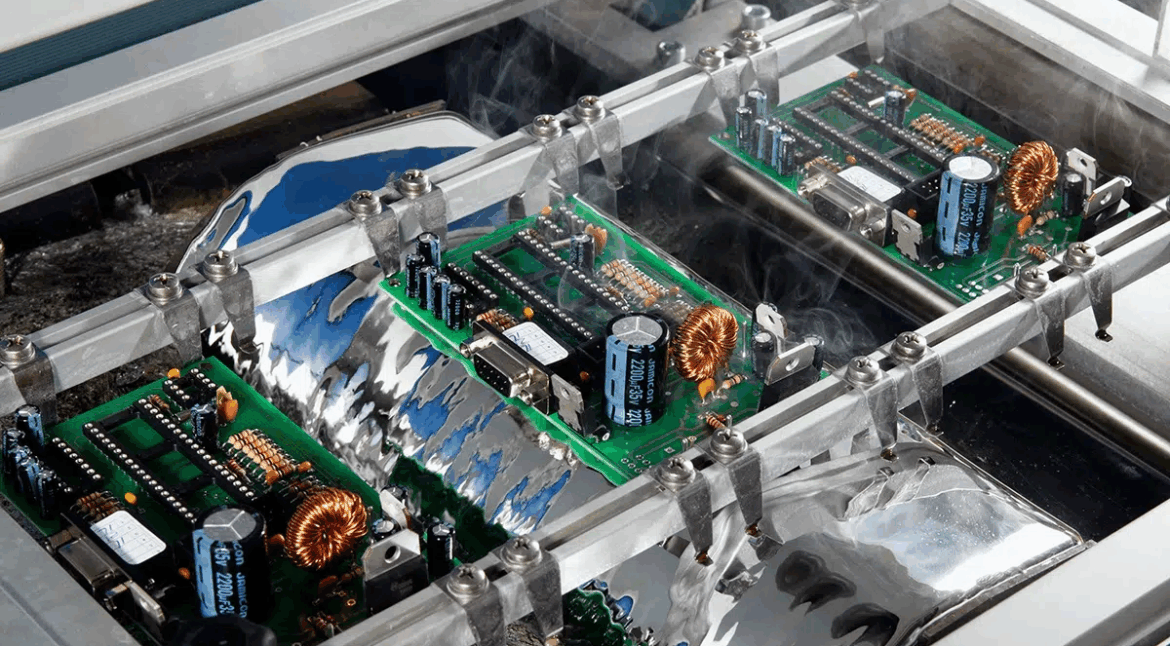
Solder Preforms: Filling Joints That Paste Cannot Some joints cannot receive enough solder from paste. The hole is too large, the board is too thick, the component cannot tolerate the reflow temperature, or the joint is being repaired rather than produced. A solder preform is the answer. What a Preform…