FPC Design Mistakes That Break Handheld Products A portable product puts a flexible circuit into a space that is shrinking every generation. The cable has to pass a hinge or a sliding mechanism, follow the curve of a battery or a display module, and end in a connector that is…
Solder Paste Storage: Cold Chain, Shelf Life and Stirring Solder paste is a perishable material with a short shelf life, and the way it is stored and handled changes the printing result more than most operators expect. Paste that has been warmed badly, stirred at the wrong moment or left…
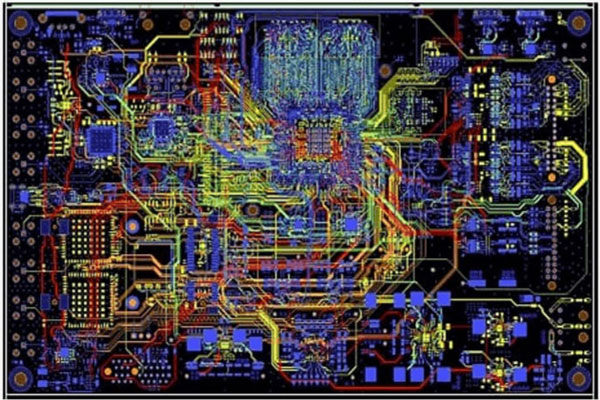
PCB Design Problems That Block Production Most boards that a fabricator or an assembly house rejects are not rejected for being electrically wrong. They are rejected because something in the pcb design cannot be built or assembled reliably, and the problems repeat across companies and projects. The list below covers…
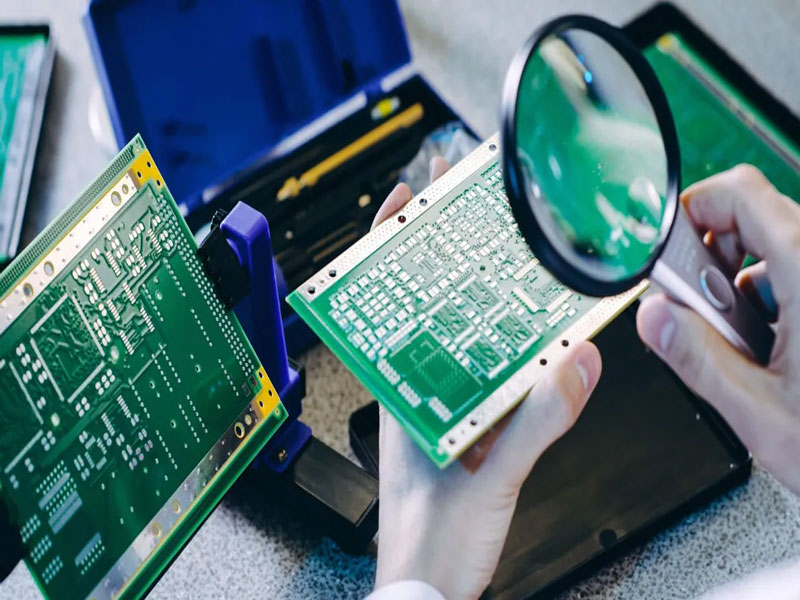
PCB Outsourced Assembly Control: Someone Else Builds It Buyers and engineers often focus on the finished product and forget the production line behind it. In practice, most field failures can be traced back to process decisions made during assembly. Understanding PCB outsourced assembly control gives you a practical advantage when…
PCB Quality Agreement: Agreeing Who Checks What Electronics manufacturing has become a discipline of small details. Solder paste volumes, placement accuracy, temperature profiles and inspection limits all add up to the final result. This guide looks at PCB quality agreement from the perspective of a PCBA factory floor, covering writing…
PCB Prototype to Production: From One to Many Buyers and engineers often focus on the finished product and forget the production line behind it. In practice, most field failures can be traced back to process decisions made during assembly. Understanding PCB prototype to production gives you a practical advantage when…
PCB Statement of Work: Writing Down What Is Bought Modern electronics depend on boards that are assembled correctly the first time. Every product – a phone, a charger, a medical instrument or an industrial controller – relies on thousands of solder joints that must conduct current for years. This article…
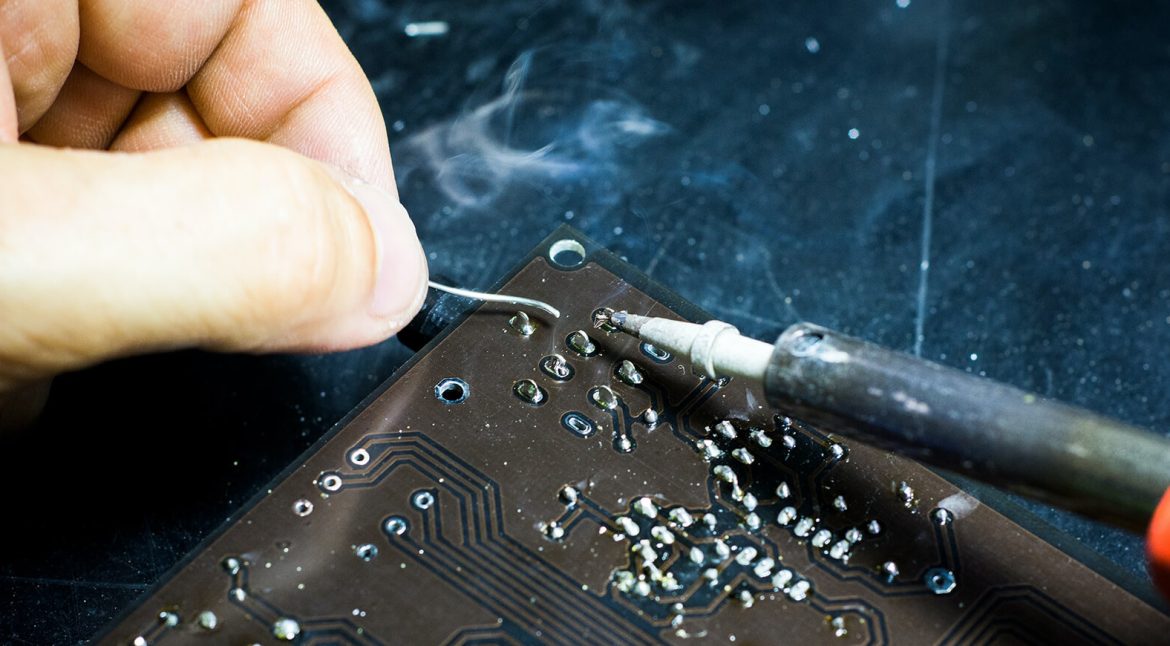
Low Temperature Solder: Low Temperature Lead Free Soldering on Flexible Circuits Soldering a flexible circuit with a lead free alloy is a compromise between the process temperature and the materials of the cable. A conventional lead free alloy melts near 217 degrees Celsius, which means a peak above 240, and…
PCB Ramp Up Plan: Raising the Volume Buyers and engineers often focus on the finished product and forget the production line behind it. In practice, most field failures can be traced back to process decisions made during assembly. Understanding PCB ramp up plan gives you a practical advantage when you…
Assembling MEMS Microphone Packages on a PCB A micro electro mechanical microphone contains a moving membrane a few hundred nanometres thick, a back plate with acoustic holes, and an application specific integrated circuit that buffers and digitises the signal. The three are packaged together in a cavity with a sound…