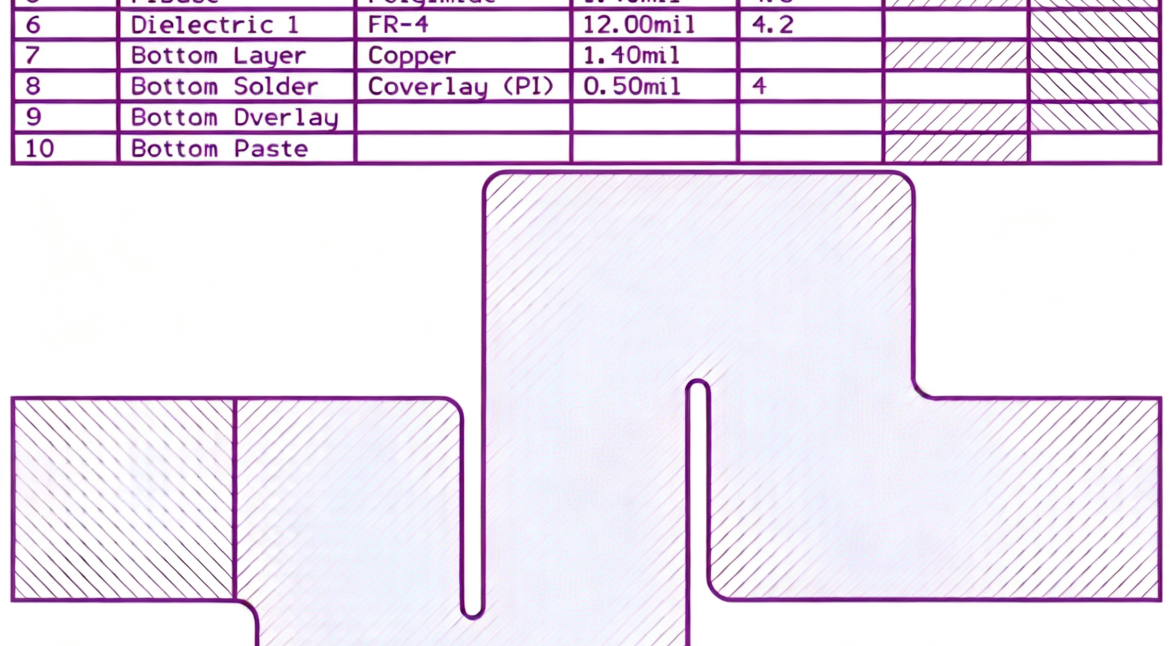
PCB Impedance Matching and Buildup Process Explained When a signal leaves a driver it should arrive at the receiver with as little loss and as little reflection as possible. That happens only when the impedance of the trace equals the impedance of the source, which is what impedance matching means…
Infrared Thermometer PCB Design and Thermopile Sensors An infrared thermometer is a small system with an unusually demanding analog front end. The detector produces a signal in the microvolt range, the ambient temperature drifts over tens of degrees, and the whole measurement has to complete in about a second. The…
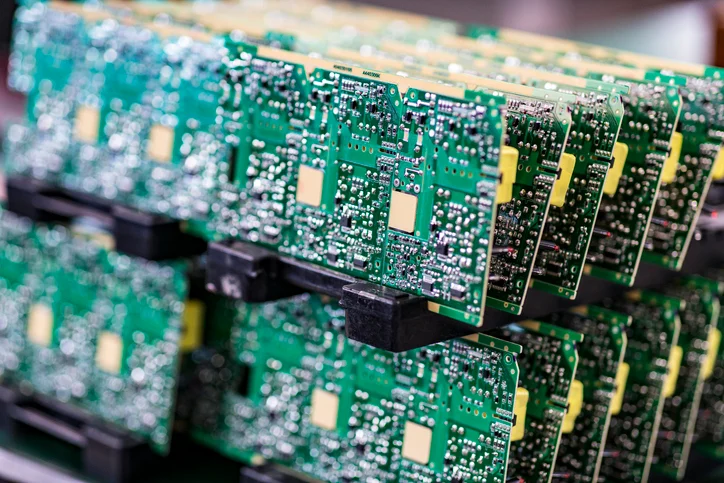
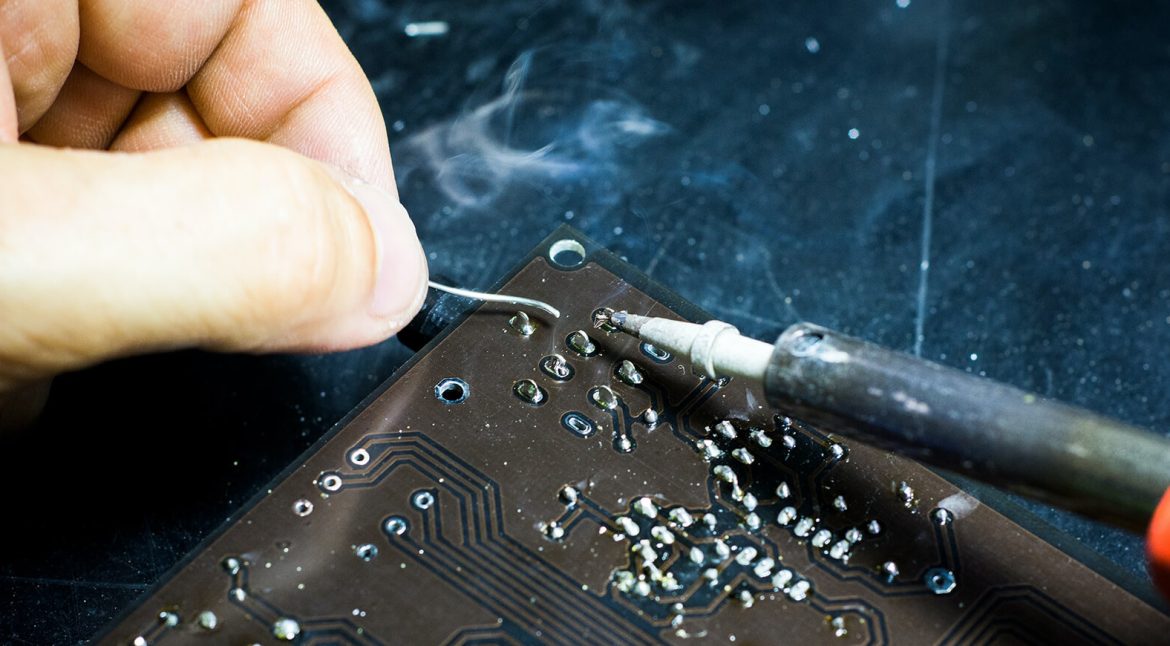
PCB Rework Station ESD Safety: A Safe Place to Work Buyers and engineers often focus on the finished product and forget the production line behind it. In practice, most field failures can be traced back to process decisions made during assembly. Understanding PCB rework station ESD safety gives you a…
High Tg Copper Clad Laminate: Properties and Selection Laminate selection is one of the few design decisions that cannot be corrected by changing a component or a trace. A high Tg copper clad laminate costs more than the standard material, and the question of whether that cost is justified is…
Audio Adapter Board PCB: Noise, Grounding and Layout An audio adapter board converts one interface into another: a digital link into an analogue jack, a balanced signal into an unbalanced one, or a microphone input into a stream of samples. The circuit is small and the components are cheap, yet…
High-Speed PCB Design Rules and the Reasons Behind Them High-speed design rules are usually presented as a list of things not to do, which makes them easy to memorise and easy to ignore. Almost every rule on the list exists for one of three reasons: controlling the area enclosed by…
Op-Amp Circuit Design: Considerations That Prevent Oscillation An operational amplifier looks like the simplest component on the schematic and behaves like one of the most temperamental. The external network is a handful of resistors and capacitors, yet the same topology can be stable on one board and oscillate on the…
FR4 vs Mid-Loss Laminate: Dk, Df and Skew Compared Standard FR4 is the default laminate for the overwhelming majority of circuit boards, and its limits only become visible as data rates rise. Between the ordinary grade and the expensive low loss materials there is a middle family of modified epoxy…
400G and 800G Optical Module PCB: Loss, Vias and Heat An optical module is one of the densest mixed signal assemblies in production. A pluggable 400G or 800G module contains a digital signal processor, several analogue front ends, a driver for each optical lane, a microcontroller and a thermal path…
PCB Broken Track Repair: Joining a Cut Conductor Buyers and engineers often focus on the finished product and forget the production line behind it. In practice, most field failures can be traced back to process decisions made during assembly. Understanding PCB broken track repair gives you a practical advantage when…