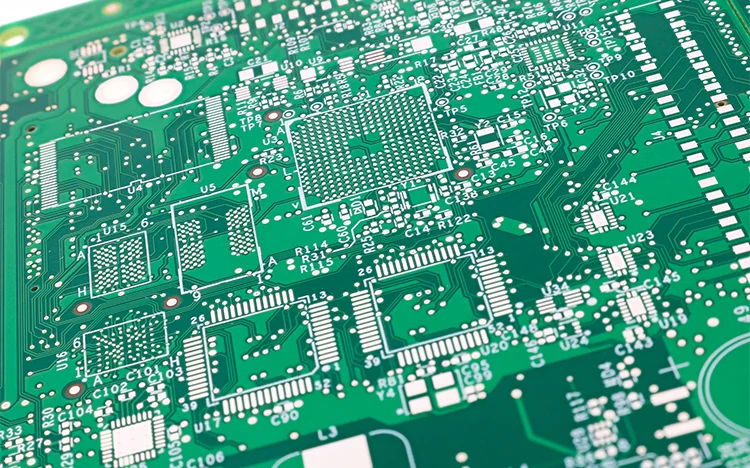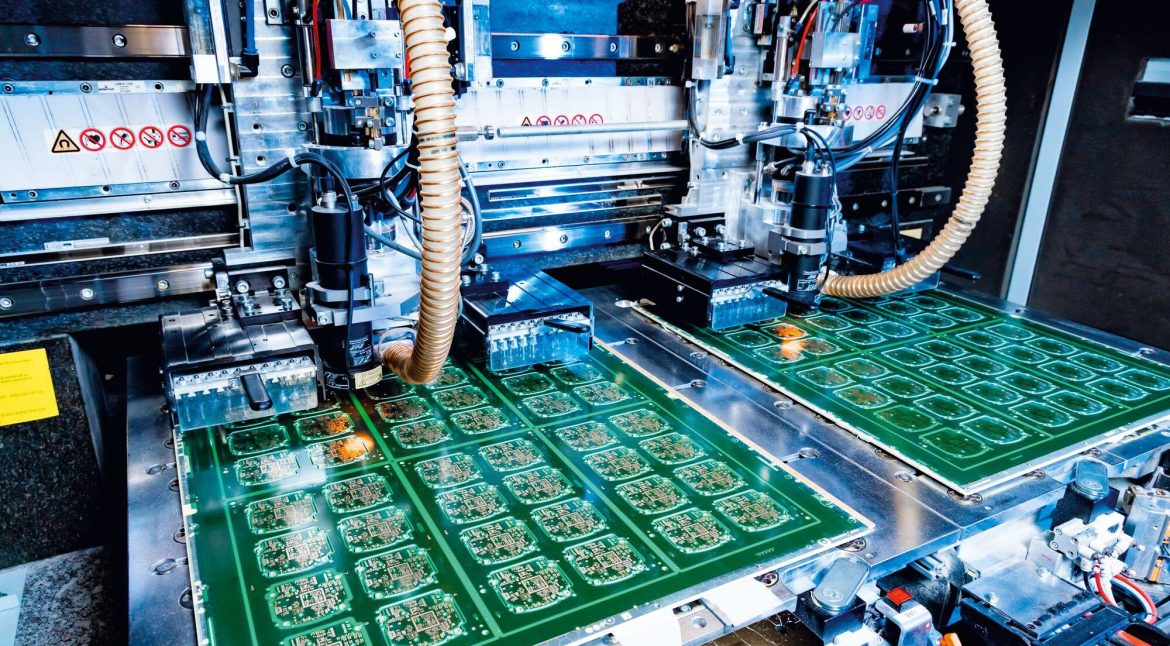
Pulse Plating vs DC Plating for PCB Copper Copper plating is what turns a stack of laminated layers into a working circuit, and the way the current is applied to the plating bath decides how evenly that copper is distributed. Conventional DC plating holds a steady current; pulse plating switches…
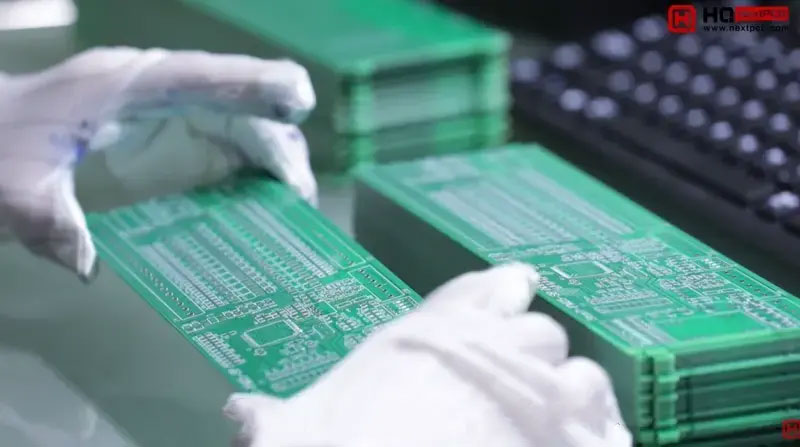
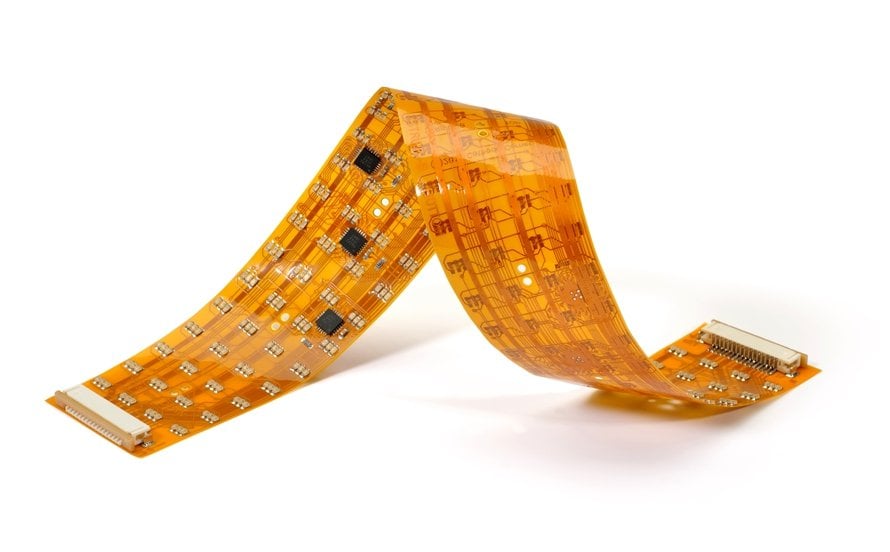
FPC Stiffeners Compared: Polyimide, FR4 and Stainless Steel A flexible circuit is thin, and thin circuits do not tolerate being used as a connector. Where a flex tail has to plug into a connector, carry a component or hold a screw, a stiffener is bonded to the back of the…
PCB Clock Jitter Measurement: How Stable the Clock Is Electronics manufacturing has become a discipline of small details. Solder paste volumes, placement accuracy, temperature profiles and inspection limits all add up to the final result. This guide looks at PCB clock jitter measurement from the perspective of a PCBA factory…
Via Treatment for a Rigid Flex Board: Design Guide A rigid flex board combines stiff sections that carry connectors and heavy components with flexible sections that fold into the shape of the product. The vias are the same in principle as on any other board, but the flexible region changes…
PCB Star Ground Rules: Everything to One Point Buyers and engineers often focus on the finished product and forget the production line behind it. In practice, most field failures can be traced back to process decisions made during assembly. Understanding PCB star ground rules gives you a practical advantage when…
PCB Grounding for A Mixed Signal Board: Living With Two Worlds Electronics manufacturing has become a discipline of small details. Solder paste volumes, placement accuracy, temperature profiles and inspection limits all add up to the final result. This guide looks at PCB grounding for a mixed signal board from the…
Exposed Copper on PCB Pads: Finishes and Solderability Bare copper is the best conductor on the board and the worst surface to leave exposed. It oxidises within hours in a normal room, and the oxide that forms does not wet with solder, does not accept a wire bond and does…
Gold Finger Bevel: Chamfer Angle, Insertion and Wear The edge of a plug-in card is a mechanical interface before it is an electrical one. The gold fingers have to slide into a connector, find their position and carry current without damaging either surface, and the shape of the leading edge…
PCB Crystal Layout Rules: Keeping the Clock Quiet Electronics manufacturing has become a discipline of small details. Solder paste volumes, placement accuracy, temperature profiles and inspection limits all add up to the final result. This guide looks at PCB crystal layout rules from the perspective of a PCBA factory floor,…
PCB Shield Can Placement: Where the Fence Goes Buyers and engineers often focus on the finished product and forget the production line behind it. In practice, most field failures can be traced back to process decisions made during assembly. Understanding PCB shield can placement gives you a practical advantage when…