PCB Paste on A Plated Hole: Printing Over a Barrel Modern electronics depend on boards that are assembled correctly the first time. Every product – a phone, a charger, a medical instrument or an industrial controller – relies on thousands of solder joints that must conduct current for years. This…

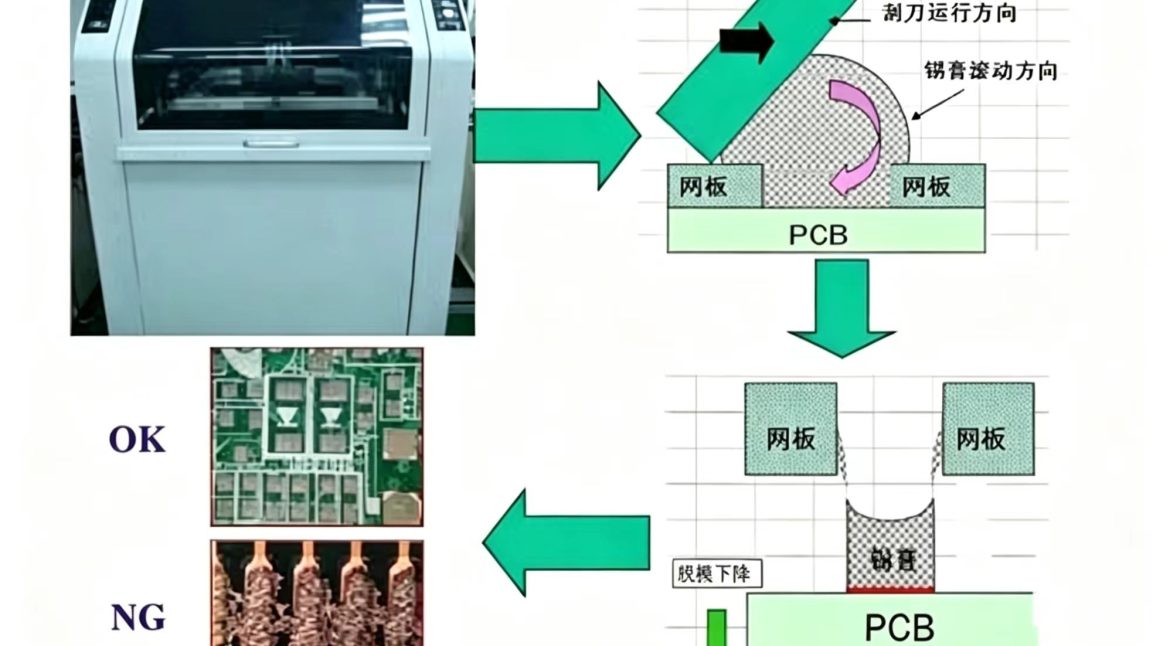
SMT Stencil Design: Thickness, Apertures and Paste Volume Before a single component is placed, the outcome of a surface mount assembly has largely been decided by a thin sheet of stainless steel. The SMT stencil controls how much solder paste lands on each pad, and the paste volume, together with…
PCB Blind Routing: Step Milling and Cavity Design Most boards have a single thickness and a flat outline, and the milling that defines the shape goes all the way through. Blind routing changes that by removing material to a controlled depth, leaving a ledge, a recess or a cavity in…
BGA Inspection: X-Ray, AOI and Visual Methods Compared A ball grid array package places its electrical connections underneath the body, which is what makes it efficient and what makes it difficult to inspect. Once the part is reflowed, most of the joints are hidden behind the package and the board,…
Layout Rules and Standards That Prevent Rework A rule that nobody understands is followed until it becomes inconvenient and then abandoned. That is why a set of layout rules is worth more when it is short, specific and attached to a reason. The rules themselves are not complicated; what takes…
Layout Design Steps for a Controller Board Layout design can be described in three steps and then takes years to master. The steps are the schematic, the netlist that carries the connectivity across, and the physical layout itself. Everything else, including the placement rules and the routing constraints, is detail…
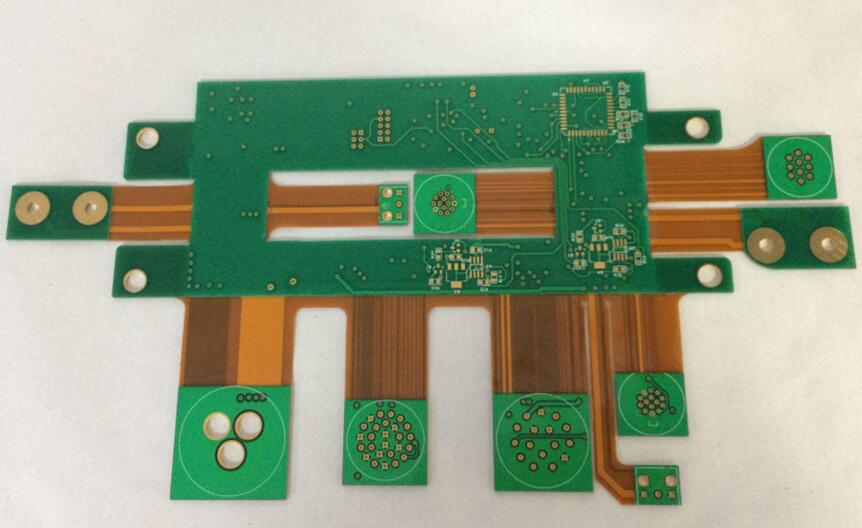
Flexible Circuit Board Construction and Assembly Notes A flexible circuit board is often described as a thin rigid board that bends, and that description leads to bad decisions. The construction is different in kind, not just in thickness. The base is a film rather than a woven glass laminate, the…
Flexible Circuit Board Types: Single, Double, Multilayer, Rigid-Flex Most design guides treat flexible circuits as one category, which is why so many first attempts pick the wrong construction. In practice there are four families, and the cost, the layer count, and the assembly difficulty rise sharply as you move up.…
PCB Solder Mask Color: Which One Should You Choose? Ask two engineers why one board is green and another is blue and the answers will usually be tradition and appearance. The choice does affect something real, though: how light behaves at the surface, how easily an inspection system can see…
PCB Analog Ground Splitting: One Ground or Two Buyers and engineers often focus on the finished product and forget the production line behind it. In practice, most field failures can be traced back to process decisions made during assembly. Understanding PCB analog ground splitting gives you a practical advantage when…