PCB Resin Coated Copper Foil: A Factory-Floor Review Electronics manufacturing has become a discipline of small details. Solder paste volumes, placement accuracy, temperature profiles and inspection limits all add up to the final result. This guide looks at PCB resin coated copper foil from the perspective of a PCBA factory…
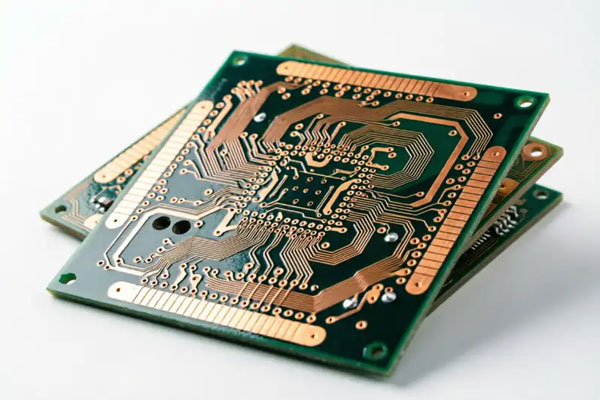
PCB Black Oxide Process: Making the Copper Grip the Resin Electronics manufacturing has become a discipline of small details. Solder paste volumes, placement accuracy, temperature profiles and inspection limits all add up to the final result. This guide looks at PCB black oxide process from the perspective of a PCBA…
Ceramic PCB Manufacturing: Materials, Processes and Cost Why Ceramic Instead of FR-4 Ceramic substrates exist because laminate hits a wall on three fronts at once. Thermal conductivity of FR-4 is around 0.3 watts per metre-kelvin, its dielectric strength is modest compared with a ceramic, and its coefficient of thermal expansion…
Power Plane Design in Multilayer PCBs What a Power Plane Is A power plane is a continuous layer of copper inside a multilayer board dedicated to one supply voltage. Instead of routing a supply net as a trace from one part of the board to another, the designer assigns an…
Medical Electronics PCB: Design and Manufacturing Requirements What Sets Medical Boards Apart A medical board is not defined by a special material or a unique manufacturing step. It is defined by consequence and by oversight. The equipment runs continuously for years, it is often attached to a patient, and its…
Safety-Critical PCB Manufacturing: Standards and Process What Makes a Board Safety Critical A safety-critical board is one whose failure can injure a person, destroy equipment, or interrupt something that other people depend on. The definition is about consequence rather than about technology, which is why an ordinary-looking four-layer controller in…
PCB Routing Corner Design: Turning Without a Trap Modern electronics depend on boards that are assembled correctly the first time. Every product – a phone, a charger, a medical instrument or an industrial controller – relies on thousands of solder joints that must conduct current for years. This article explains…
IPC Standards for PCB Design and Manufacturing What IPC Is IPC is the industry association that writes the standards the electronics manufacturing world works to. Its full name, IPC Association Connecting Electronics Industries, reflects the role it has held since 1957: bringing fabricators, assemblers, equipment makers, and their customers onto…
PCB Legend Ink Adhesion: A Practical Manufacturing Guide Buyers and engineers often focus on the finished product and forget the production line behind it. In practice, most field failures can be traced back to process decisions made during assembly. Understanding PCB legend ink adhesion gives you a practical advantage when…
Black FR4 PCB: Material, Solder Mask and Manufacturing Notes What Black FR4 Actually Means Black FR4 is an ordinary glass-reinforced epoxy board wearing a black solder mask. The laminate underneath is the same FR-4 that green boards use, and the electrical performance of the two is essentially identical. The colour…