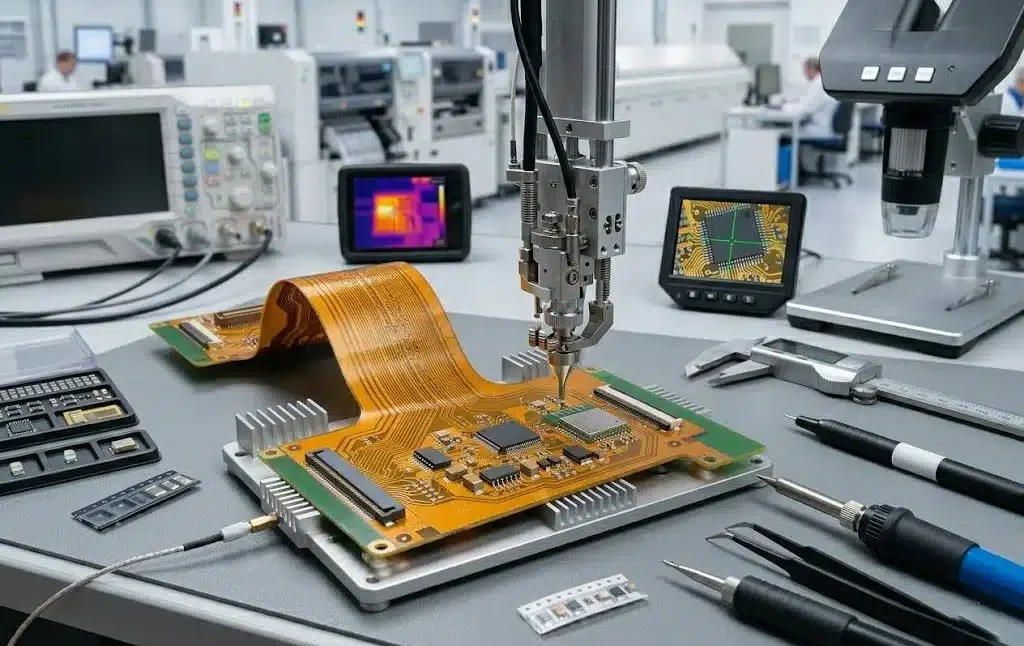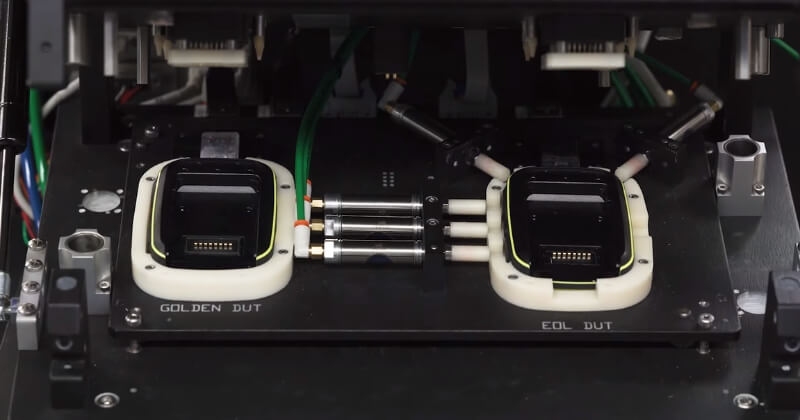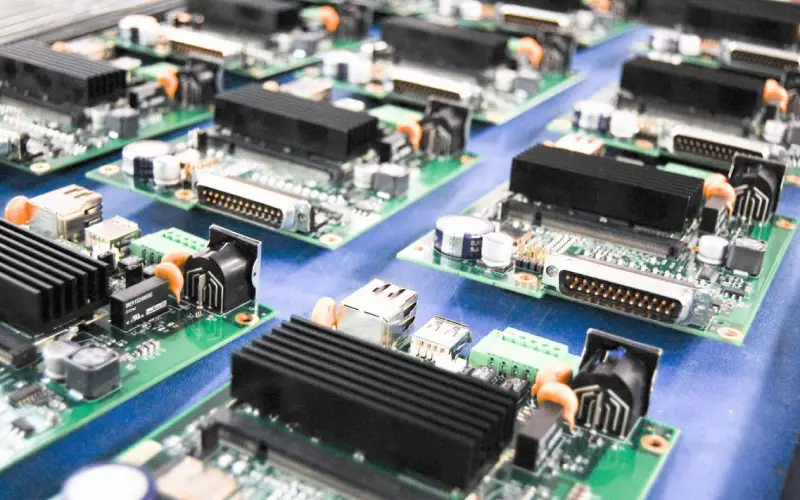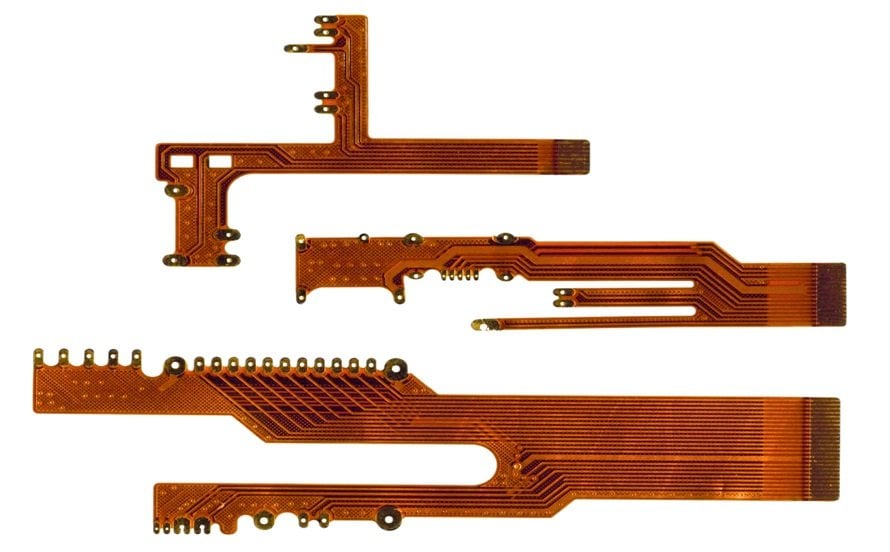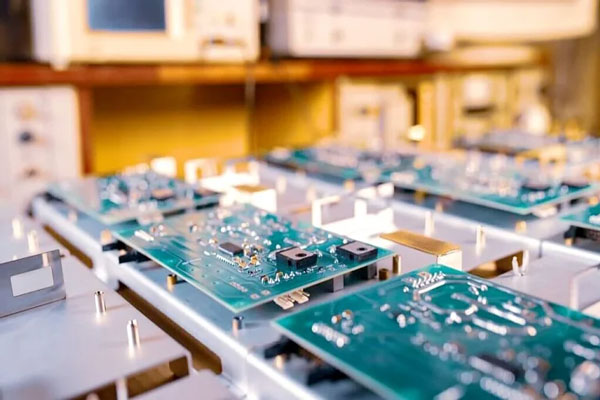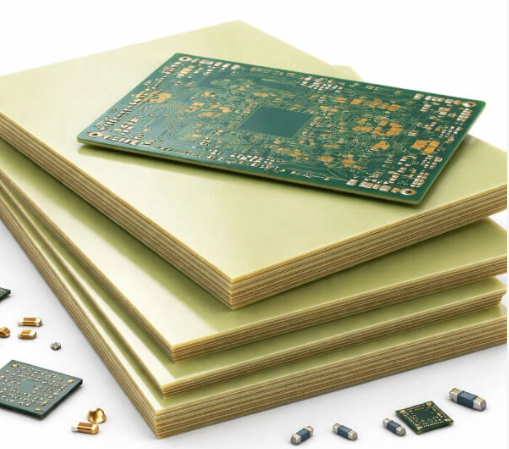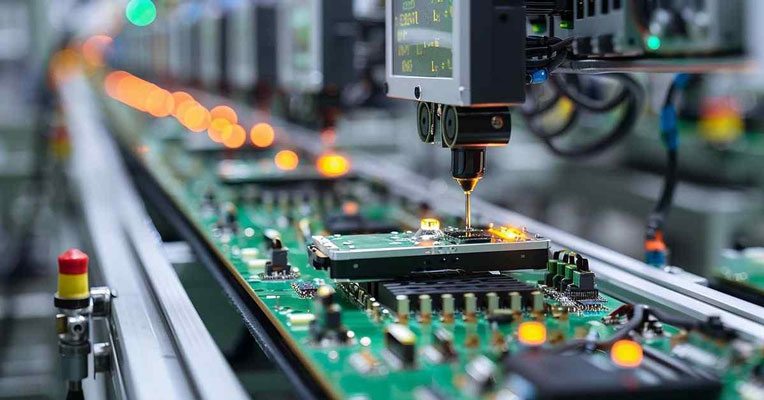
PCB Copper Wrap Plating: Process Details and Inspection Points Modern electronics depend on boards that are assembled correctly the first time. Every product – a phone, a charger, a medical instrument or an industrial controller – relies on thousands of solder joints that must conduct current for years. This article…
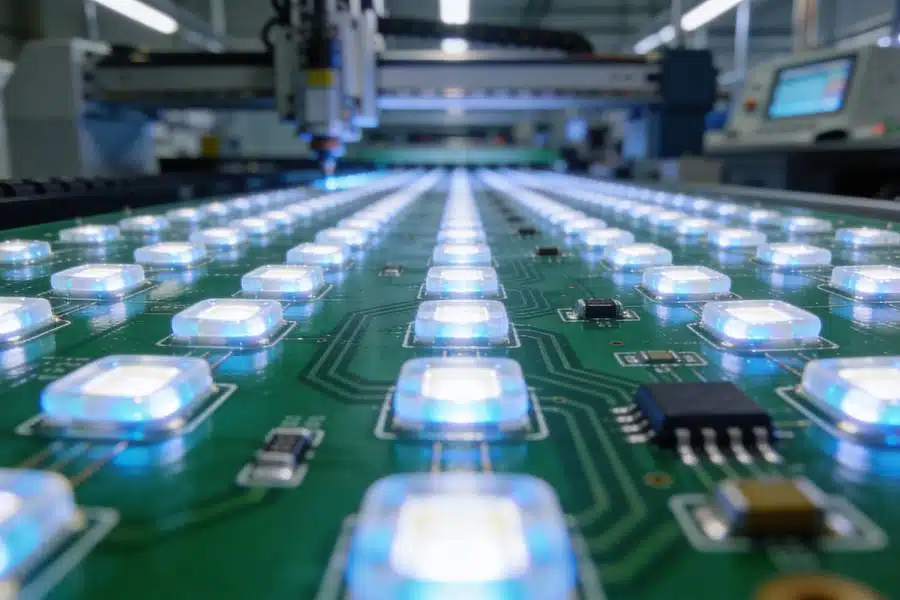
Additive PCB Manufacturing: SAP and mSAP for Fine Lines Why Additive Processes Exist Conventional board fabrication is subtractive. It begins with copper already covering the laminate and removes everything that is not part of the circuit, which means the process is limited by how precisely the etchant can be told…
Single-Sided PCB Manufacturing: When One Layer Is Enough What a Single-Sided Board Really Is A single-sided printed circuit board carries one layer of copper. Every connection the circuit needs is made on that one layer, and components are mounted on one side with their leads or pads soldered on the…
Bare PCB Fabrication: What You Get Before Assembly What a Bare Board Is A bare board, also called a plain circuit board, is a printed circuit board that has finished the fabrication stage and has not entered assembly. Everything the circuit needs to be built on is present: the laminate,…
POFV Via Filling: Plated Over Filled Vias Explained What POFV Means POFV stands for plated over filled via. The via is first filled with a material, normally a filled epoxy or a conductive paste, and then copper is plated over the filled barrel so the surface of the board stays…
PCB Plating Thickness Coupon: A Sample That Proves the Copper Buyers and engineers often focus on the finished product and forget the production line behind it. In practice, most field failures can be traced back to process decisions made during assembly. Understanding PCB plating thickness coupon gives you a practical…
PCB Router Bit Selection for Depaneling: Key Process and Quality Checks Buyers and engineers often focus on the finished product and forget the production line behind it. In practice, most field failures can be traced back to process decisions made during assembly. Understanding PCB router bit selection for depaneling gives…
SMT Reflow Oven Conveyor Maintenance: A Factory-Floor Review Modern electronics depend on boards that are assembled correctly the first time. Every product – a phone, a charger, a medical instrument or an industrial controller – relies on thousands of solder joints that must conduct current for years. This article explains…
Corrective Action in PCB Manufacturing What Corrective Action Is For Corrective action is the structured response to a problem that has already occurred. Its purpose is not to repair the affected units, which is containment, but to find out why the problem happened and to change the process so that…
Traceability in PCB Assembly What Traceability Means Traceability is the ability to connect a finished assembly back to the materials, the processes, and the conditions that produced it. In its simplest form it is a record that a board was built on a certain date, from a certain lot of…