CCTV Camera PCB Guide: Structure, Functions and Cost
Security cameras have become one of the fastest-growing electronics categories, and inside every camera the circuit board does the heavy lifting. From capturing light on the image sensor to compressing video, running analytics, and streaming over the network, the CCTV camera PCB is the central nervous system of the device. A board that is well designed delivers clear images year after year; one that is poorly built causes blurry video, dropped connections, and early failures in the field. This guide explains what a security camera PCB is, its structure and functions, the design challenges, costs, applications, and how to choose a manufacturer for your next surveillance product.
What Is a CCTV Camera PCB?
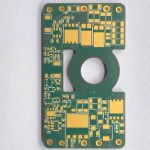
A CCTV camera PCB is a circuit board designed specifically for security cameras. It integrates the image sensor, processor, power management, and communication modules onto one compact platform so the camera can capture, process, and transmit video reliably. The board is the brain and nervous system of the camera, coordinating the lens control, sensor readout, video encoding, storage, and network connection. Because cameras operate continuously in environments that range from a shop shelf to a freezing highway pole, the board must be built to a higher standard of reliability than a typical consumer gadget.
Structure of a Security Camera PCB
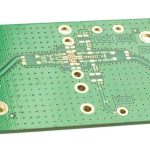
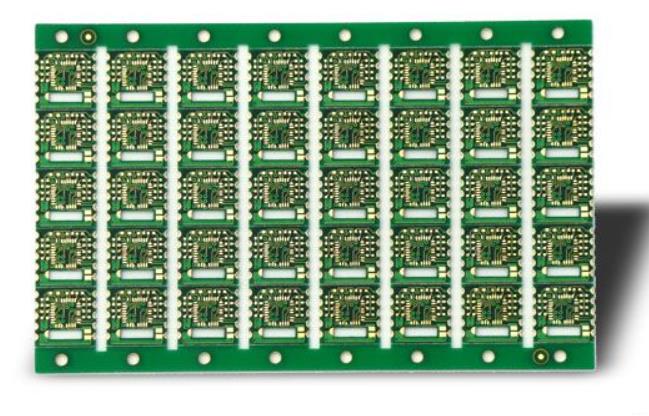
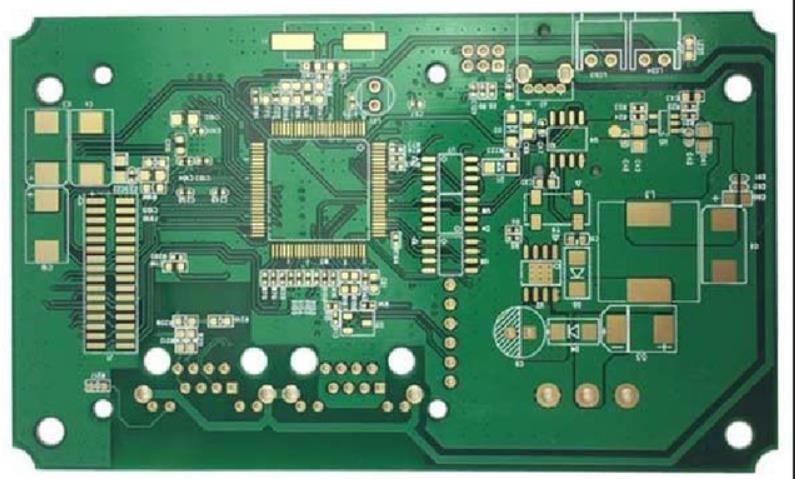
Surveillance boards are engineered for density and efficiency. Most use multilayer construction with FR-4 or high-performance laminates that keep signal paths short and clean. The core components include a processor or system-on-chip that handles video encoding and analytics, the image sensor that converts light into digital data, power management circuits that keep every rail stable, and connectors for storage and networking. The layout is tightly packed because modern cameras are small: dome cameras, bullet cameras, and hidden units leave little room for the electronics, so miniaturization is built into the design from the first schematic.
Functions of a Monitoring Camera Board
Several functions come together on the board. Power distribution feeds the sensor, lens motors, processor, and wireless module from one input, which is why surge protection and clean regulation matter in outdoor units that can be struck by nearby lightning. Signal processing converts the raw sensor data into a high-quality video stream, handling color, noise reduction, and wide dynamic range. Video transmission moves the stream to the recorder or cloud over Ethernet, Wi-Fi, or cellular links. Intelligence is increasingly part of the hardware: on-board AI performs motion detection, person recognition, and video analysis at the edge, reducing the bandwidth and cloud cost of sending everything to a server. Each function adds its own requirements to the board layout and component selection.
Types of CCTV Camera PCBs
Camera boards vary with the product category. Indoor and outdoor boards differ mainly in protection: outdoor designs add conformal coating, better thermal paths, and components rated for wider temperatures. Wired and wireless cameras split on the communication side, with wireless units carrying Wi-Fi or 4G and 5G modules that need careful antenna layout. High-definition boards support 4K sensors and IP streaming, requiring faster processors, larger memory, and precise high-speed routing. PTZ cameras add motor driver circuitry for pan, tilt, and zoom. Each type shares the same core, but the board grows more complex as resolution, intelligence, and connectivity increase.
Advantages of a Quality Surveillance PCB
Investing in a well-built security camera board pays back in every metric that matters to a monitoring project. Reliability improves because quality components and coatings survive heat, cold, and humidity without creeping failures. Image quality improves through signal integrity: clean power and careful routing keep noise out of the sensor output, which shows up as sharper, more stable video. Cost-effectiveness comes from production discipline, because volume manufacturing with high yields keeps the per-camera cost low. Lightweight, compact designs make modern cameras smaller and easier to install, and lower power consumption lets battery and solar cameras run longer. These advantages are invisible in a spec sheet but obvious in the footage.
Design Challenges in Security Camera Boards
Designers face three recurring challenges. Thermal management is the first: compact enclosures trap heat from the processor and image sensor, so boards use copper pours, thermal vias, and careful placement to keep the sensor quiet, because a hot sensor produces noisy images. High-density layout is the second, since every new feature adds components to a space that never grows. Electromagnetic interference is the third, because high-speed video and wireless signals share the board with switching power supplies; shielding, filtering, and disciplined routing keep the camera from interfering with its own radio and from failing EMC testing. Solving these three problems is the difference between a camera that works in the lab and one that works for years outdoors.
Applications of CCTV Camera PCBs
Security camera boards support every layer of the surveillance market. Home and business systems use them in doorbell cameras, indoor domes, and shop cameras where ease of installation and reliability matter. Smart city projects deploy thousands of outdoor cameras with analytics, demanding boards that run continuously in all weather. Factories and warehouses use industrial cameras for security and process monitoring. Transportation hubs such as airports, railways, and highways depend on high-reliability boards for traffic and safety monitoring, and military and defense applications push the requirements highest of all with extended temperature, ruggedization, and security features. In every segment, the board quality decides whether the camera protects people and property or becomes just another maintenance problem.
Cost of CCTV Camera PCBs
The price of a surveillance camera board typically ranges from about 5 to 50 dollars per board depending on complexity, materials, and quantity. Simple analog cameras sit at the bottom of the range, while 4K IP cameras with AI processors, multiple sensors, and wireless modules approach the top. Layer count is a major driver: four-layer boards cost more than two-layer designs, and high-speed IP camera boards often need six or more layers for clean video routing. Component quality and wireless certification also add cost. Volume changes the picture dramatically, so buyers planning thousands of units should negotiate production pricing rather than paying prototype rates. A complete quote should include fabrication, assembly, and testing so the real cost of a reliable board is clear from the start.
Future Trends in Surveillance PCBs
The security industry is upgrading its hardware quickly. AI-driven boards now run real-time analysis and facial recognition on the camera itself, adding neural accelerators and more memory. 5G camera boards stream ultra-high-definition video over cellular networks, which demands more capable RF design. Environmental rules are pushing recyclable materials and lower-power designs that suit long-running IoT monitoring devices. Edge processing will keep growing as operators move analytics out of the data center, and camera boards will carry more compute with better thermal design. Manufacturers that invest in fine-pitch assembly, RF experience, and disciplined testing are positioned to serve this next generation.
Choosing a CCTV Camera PCB Manufacturer
Selecting the right supplier matters because camera boards combine optics-adjacent analog design, high-speed digital, and often wireless radio on one small board. Look for a factory experienced with camera and surveillance products, ideally with proven work on IP cameras and AI modules. Confirm multilayer capability, fine-pitch assembly, and the ability to hold tight impedance tolerances for the video and memory interfaces. Check quality certifications and ask about testing, including automated optical inspection, functional testing of the video path, and wireless testing where the design includes a radio. Compare pricing and delivery honestly, with a price range of about 5 to 50 dollars per board as a reference, and look for transparent communication during the design review. A partner that combines PCB manufacturing with PCB assembly and documented quality management keeps the whole build under one accountable roof.
Design for Manufacturing Tips
A little planning makes camera boards far easier to build and test. Start the layout with test points on every critical video and power rail so the factory can verify the board quickly. Keep the image sensor power clean with dedicated regulators and decoupling, because noise here directly degrades image quality. Place the wireless module and antenna away from the sensor and high-speed traces, and specify a ground plane that gives every signal a solid return path. Choose components rated for the operating temperature range of the product, and plan the conformal coating mask so test pads remain accessible. Running a design-for-manufacturability review with the factory before tooling catches these details while they are still cheap to change, and applying careful PCB design and layout rules up front prevents the rework that quietly consumes project budgets.
Power and Connectivity in Field Cameras
Most security cameras run in places where power and network quality are not guaranteed, so the board design must be forgiving. Power-over-Ethernet cameras draw both data and power from a single cable, which means the board needs a PoE front end with isolation and surge protection that converts the incoming voltage to the camera rails safely. Wi-Fi cameras face the opposite problem: they have no cable at all, so efficient power conversion and aggressive power management keep battery models alive for months between charges. Cellular cameras add a 4G or 5G module whose bursts of transmit current demand strong bulk capacitance and careful layout so the voltage never dips while the radio is active. Network resilience also depends on the board: Ethernet magnetics, ESD protection on every connector, and well-terminated high-speed pairs keep the link stable through surges and static discharges. Designing for these real-world conditions, rather than for a clean lab bench, is what separates cameras that monitor reliably for years from cameras that need service calls every season.
Frequently Asked Questions
Q1. How much does a CCTV camera PCB cost? Most security camera boards range from about 5 to 50 dollars per board depending on resolution, features, materials, and order quantity.
Q2. Can camera PCBs be customized? Yes, manufacturers offer custom designs tuned to the resolution, power budget, lens interface, and connection type of the specific camera product.
Q3. How long does a security camera PCB last? High-quality CCTV camera boards typically last 5 to 10 years, depending on environment, temperature, and how continuously the camera runs.
Q4. Why does my camera show noisy video at night? Noise usually comes from a hot image sensor or unclean power; improved thermal design and sensor power filtering are the standard cures.
Q5. Do IP cameras need different boards than analog cameras? Yes, IP cameras add processors, memory, and network hardware that require higher-layer-count boards with controlled impedance, while analog cameras use simpler designs.
Conclusion
The CCTV camera PCB is the foundation of modern security monitoring. It captures the image, processes the video, runs the intelligence, and keeps the camera alive through years of continuous service. Understanding the structure, functions, design challenges, and costs helps engineers and buyers choose boards that deliver clear, reliable footage. With careful design, quality manufacturing, and thorough PCBA testing, a security camera board turns a good lens into a dependable eye on the world.