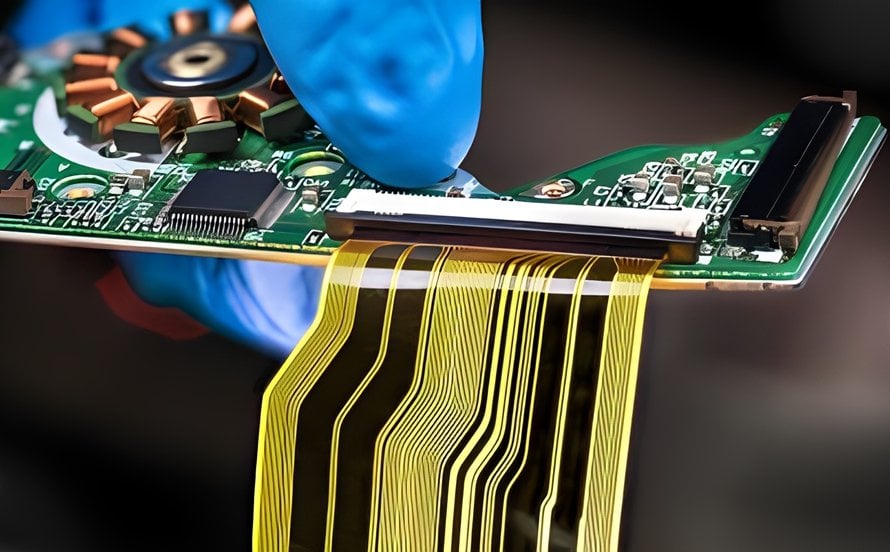
Conformal Coating: Why Circuit Boards Need It
A conformal coating is a thin protective layer applied over a finished assembly. It goes by many names — protective lacquer, coating compound, moisture-proof varnish, insulating varnish, anti-corrosion and salt-spray varnish, dust-proof lacquer — and it is expected to deliver the properties those names imply: protection against water, moisture and dust, plus resistance to thermal shock, ageing, radiation, salt spray, ozone, corrosion and vibration, with good flexibility and strong adhesion to whatever it covers.
Whether any of that matters depends on where the product goes. In a benign enclosure, coating may be optional. In a vehicle, a marine instrument or an outdoor installation, it is usually the difference between a product that survives its warranty period and one that does not.
Moisture Is the Main Enemy
Water is the most common and most destructive factor affecting a circuit board.
Excess moisture substantially reduces the insulation resistance between conductors, accelerates decomposition at high speed, lowers the Q of resonant structures, and corrodes conductors. The green patina often seen on exposed copper is the visible result: copper, water vapour and oxygen reacting together on metal that was never coated.
The mechanisms matter because they explain why a board can pass every electrical test at the factory and fail in service. Insulation resistance that is marginal when dry becomes inadequate when wet, and the effect appears first between features that are closest together — which on a modern board means the ones that are hardest to inspect.
Contamination Does the Same Damage
The hundreds of contaminants that can appear on a board produce effects indistinguishable from moisture damage: electrical degradation, conductor corrosion and, in the worst case, irreversible short circuits.
The most common sources are manufacturing residues — flux, solvents, mould release agents, metal particles and marking inks left behind by the process. A second large group comes from handling: skin oils, fingerprints, cosmetics and food residue are all electrically significant, not merely untidy. A third group comes from the operating environment: salt spray, sand, fuel, acids, other corrosive vapours and mould.
Because these arrive through different routes, a board that is clean at the end of assembly does not stay clean. Coating works by excluding all three groups at once, which is why it is specified for the environment rather than for the process.
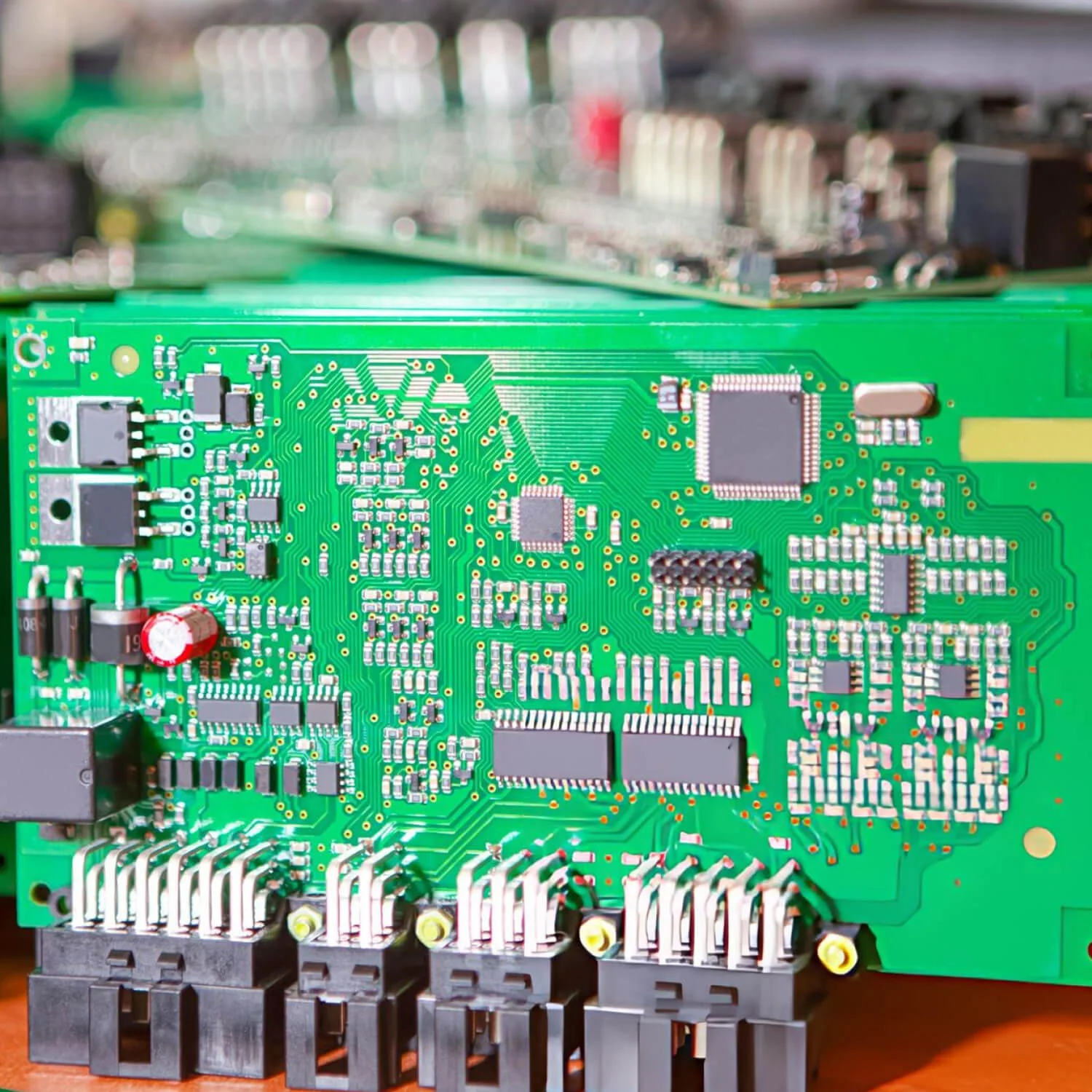
What a Coating Is Expected to Do
The purpose of applying a coating to a board and its components is to reduce or eliminate the degradation of electrical performance that the operating environment would otherwise cause.
The acceptance criterion is functional rather than cosmetic. A coating has done its job if it retains its protective function for a satisfactory period — in practical terms, for longer than the product is expected to live. That framing is useful when selecting a material, because it turns an open-ended requirement into a service life that can be compared against the coating’s own ageing behaviour.
Even a thin coating tolerates mechanical vibration, oscillation, thermal shock and high-temperature operation to a degree. That tolerance is what allows coated assemblies to be used in equipment that is moved, transported or installed outdoors.
What a Coating Cannot Do
One misconception causes real failures: the idea that a thin film can provide mechanical strength or adequate insulation for an individual component.
It cannot. Coating is a protective barrier, not a structural element. Components and parts must be mechanically secured by their own means, and where they need environmental protection beyond a surface film they need their own appropriate potting compound. Used together, the mechanical fixing and the environmental protection provide two independent safeguards; relying on the coating to hold a part in place or to insulate it at a high voltage leaves the assembly with neither.
Designing so the Coating Works
Coating is a process, and the layout either supports it or fights it.
Define the keep-out regions. Connectors, test points, switches, adjustable components and anything that must mate with another part cannot be coated, since coating in a connector body prevents reliable mating and coating on a contact surface adds resistance. These regions have to be identified on the drawing, not decided on the line.
Give the material somewhere to go. Coating has to flow around and under components to form a continuous film. A dense cluster of components with no space between them produces shadowed areas that stay uncoated, and those uncoated pockets are exactly where moisture collects. Component spacing and the treatment of areas under large parts are therefore design decisions.
Respect the curing mechanism. Whether the material cures by solvent evaporation, moisture, heat or ultraviolet light determines how the assembly has to be handled after application. A coating that cannot cure under a large component will remain tacky there and will neither protect the surface nor survive thermal cycling.
Plan for rework. Coating makes rework harder, and some materials are specifically designed to be removable while others are not. Where repair is expected, the choice should be made with that in mind, since the cost of a coating that cannot be reworked is paid at the first field failure rather than in the bill of materials.
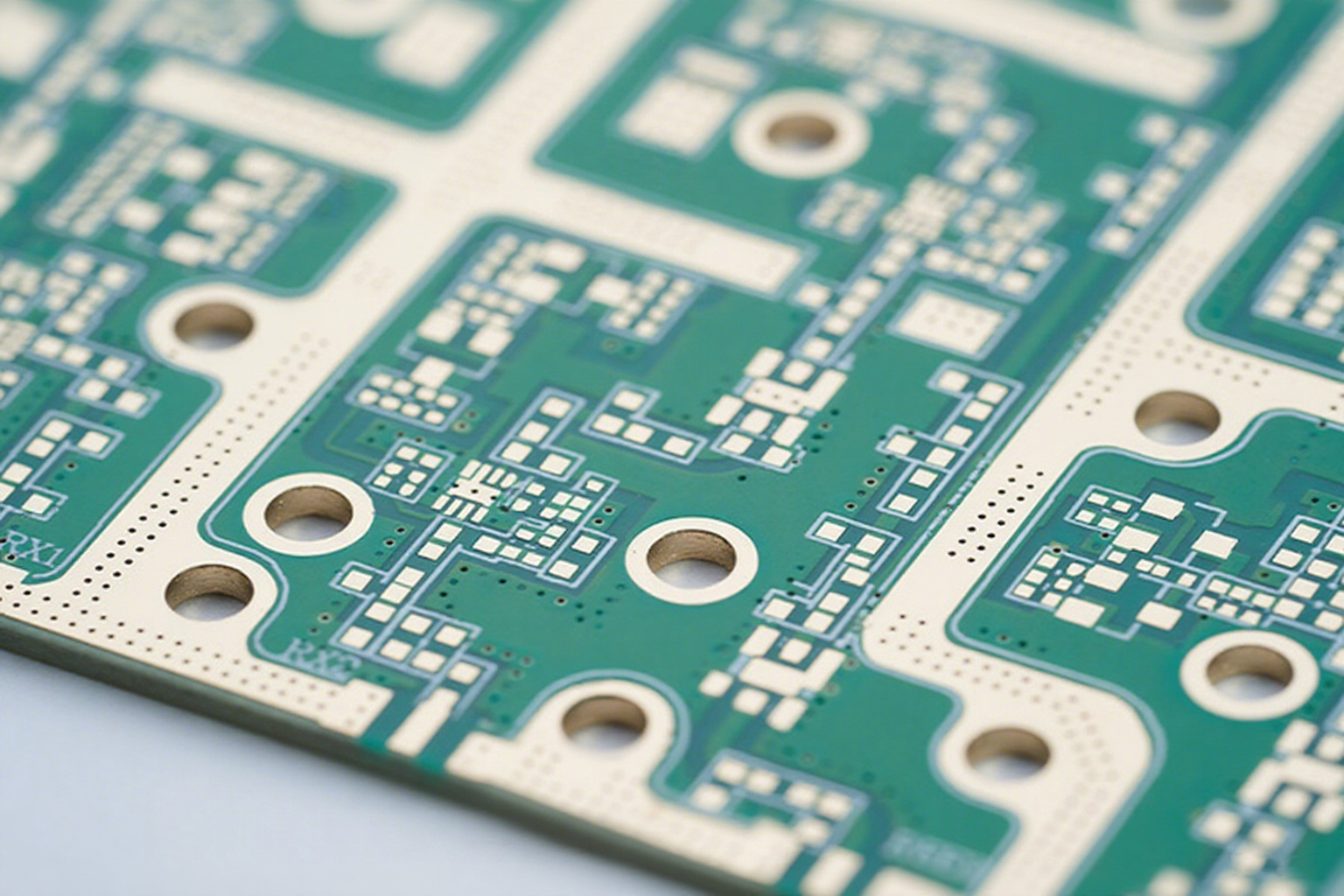
Material selection follows from the environment rather than from preference. A coating chosen for a benign indoor enclosure does not have the same chemical resistance as one specified for salt spray or fuel exposure, and the difference is invisible once the board is coated. The specification should therefore name the environment, the service life required and the failure modes that matter, so that the material is selected against a requirement rather than against a claim on a datasheet.
Where It Fits in the Assembly Flow
Coating is applied after soldering and after cleaning, since a coating over contamination seals the contamination against the board where it will do the most damage. It also follows functional test in most flows, because testing after coating means either probing through the film or accepting coated test points.
The sequence is a decision with consequences, and it belongs with the same considerations that govern the rest of the assembly. The checks that confirm a board is clean and electrically sound before it is sealed are described in this overview of PCB inspection after fabrication, and the way a protective material interacts with a joint rather than a surface is examined in this discussion of underfill for chip scale packages.
For products where the coating is the main defence against the environment, the requirement belongs in the reliability specification rather than in a note on the drawing. The characteristics that distinguish a board built for long service are set out in this list of traits of a high reliability PCB.
FAQ
Does conformal coating make a board waterproof? It provides the protection the name suggests — water, moisture and dust resistance — but it is a thin film rather than a sealed enclosure. Immersion, prolonged contact with liquid and damage to the film all reduce its effectiveness.
Can coating replace mechanical fixing of components? No. A thin film provides no structural strength. Components must be mounted and secured mechanically, with potting providing additional environmental protection where needed.
Why do connectors have to be masked before coating? Because coating inside a connector body prevents reliable mating and coating on contact surfaces adds resistance to the connection. Those areas are excluded by design, not by operator judgement.