Defects that escape a PCB assembly line have a way of turning into expensive field failures. Boards that look identical can behave very differently depending on solder quality, component placement, and hidden contamination. That is why pcb assembly quality control is not an optional extra but the system that decides whether your product is reliable. This guide walks through the main inspection and testing stages used by professional contract manufacturers, the standards behind them, and the practical questions to ask any assembly partner.
Why Quality Control Matters in PCB Assembly
A populated circuit board can contain thousands of solder joints. Even a defect rate of one part per million still produces failures across a large production run, and defects such as cold joints, tombstoned components, or lifted pads are rarely visible to the naked eye. Structured quality control catches these problems at the cheapest possible moment: before boards are installed in enclosures, shipped overseas, or returned by customers.
Quality control also protects your brand. Medical devices, automotive systems, and industrial controllers cannot tolerate intermittent failures, so buyers increasingly audit their suppliers against documented quality systems rather than accepting samples on faith.
The Quality Standards That Govern PCB Assembly
Most professional assembly facilities build to IPC-A-610, the worldwide acceptance standard for electronic assemblies, together with IPC-J-STD-001 for soldered electrical and electronic assemblies. IPC-A-610 defines what a good solder joint looks like, how components should be seated, and which cosmetic conditions are acceptable. Suppliers should also reference IPC-7711/7721 for rework and repair, IPC-600 for bare boards, and industry-specific rules such as IPC-6012 for rigid boards or IPC-620 for cable assemblies.
Ask your manufacturer which revision of each standard they work to and whether their inspectors are formally certified. A supplier that can produce training and certification records is usually a supplier that takes the standards seriously.
Key Stages of PCB Assembly Quality Control
A complete quality plan covers every step from incoming materials to packed goods. The stages below represent the control points you should expect in a mature SMT and through-hole assembly operation.
Incoming Material Inspection
Components, solder paste, and bare boards are verified against the bill of materials on arrival. Counterfeit prevention checks, date code review, and moisture sensitivity level handling are all part of incoming inspection. Boards are also checked for bow, twist, solder mask damage, and plating quality before they enter production. Working with a supplier that controls component procurement reduces the risk of counterfeit or out-of-spec parts reaching your line.
First Article Inspection
Before a full batch runs, the first assembled board is compared against the approved drawing, BOM, and customer requirements. First article inspection verifies polarity, reference designator placement, component values, and workmanship before high volume begins.
Automated Optical Inspection
After solder paste printing and again after placement, automated optical inspection checks alignment, solder volume, and missing or skewed components. AOI uses cameras and lighting to compare each board against a golden sample, flagging anomalies for an operator to review.
X-Ray Inspection
X-ray inspection is used where optics cannot see, especially for ball grid arrays, chip scale packages, and connectors with hidden leads. It verifies solder ball voids, bridges, and joint integrity under the component body. If your design contains BGAs, confirm that your supplier has X-ray capability on site.
In-Circuit and Functional Testing
Electrical testing confirms that the board actually works. In-circuit testing checks individual components and opens or shorts using a bed-of-nails fixture. Functional testing powers the board and exercises it as it will be used in the field. The right combination depends on volume, board complexity, and test point availability, and it is usually defined during a design-for-testability review.
For deeper detail on what happens after assembly, see how our PCBA testing department combines automated inspection, in-circuit testing, and functional testing for every batch.
Statistical Process Control and Data Review
Good suppliers do not just inspect; they measure. Solder paste height, reflow profile, and AOI failure rates are tracked over time so that drift is caught before it produces defects. Batch records link every board to its material lots, machine settings, and operators, giving you full traceability if a problem appears in the field.
Request a sample of the quality reports your supplier can provide. Scrap and rework rates, first-pass yield, and defect Pareto charts tell you more about a facility than a glossy ISO certificate.
A Practical PCB Assembly Inspection Checklist
When you audit a supplier or review your own line, use this checklist as a starting point. Confirm that solder paste is stored and used according to its shelf life, that stencil cleaning is scheduled, and that reflow profiles are verified for every product. Check that component polarity and orientation are inspected before and after placement, that AOI programs cover every critical joint, and that X-ray inspection covers all BGAs and hidden-lead components. Verify that in-circuit and functional test fixtures are maintained, that calibration stickers are current on all instruments, and that operators follow written workmanship criteria rather than personal judgment.
Also confirm that rework is controlled: every reworked joint should be re-inspected and documented, and the number of rework cycles per board should be limited because repeated heating damages pads and laminates.
Quality Control in PCB Manufacturing and Assembly
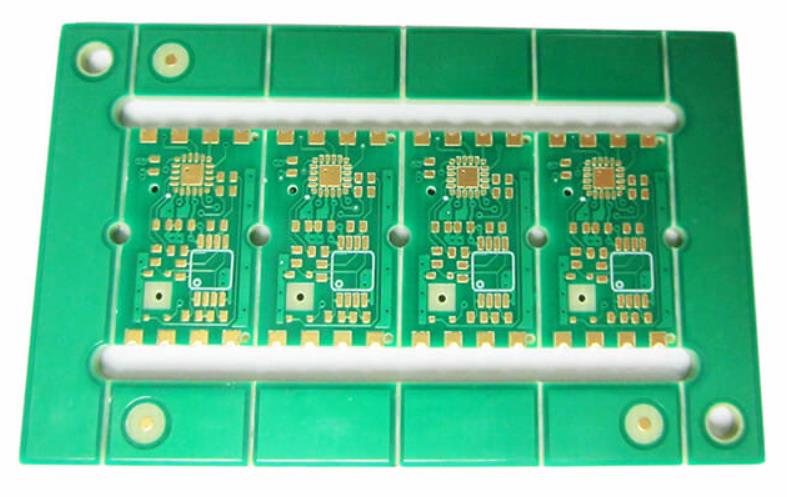
Quality does not start at the assembly line. Bare boards must be free of shorts, opens, and impedance variations before components are placed. If your supplier also controls the upstream fabrication stage, the assembly team can react to panelization and board quality issues immediately. Combining PCB manufacturing with assembly under one roof removes the blame game that happens when a board defect is discovered only after soldering.
Questions to Ask Your Assembly Partner
Before you place an order, ask how many AOI passes each board receives, whether X-ray is available for BGA packages, what the first-pass yield target is, and how defects found in functional test are investigated. Ask to see the quality management system in practice and request references from customers with similar product types. Finally, confirm that quality data is shared with you on a regular basis rather than only when something goes wrong.
If you want to understand how a factory organizes these activities, our quality management overview explains the process gates and documentation used from prototype to production.
Common PCB Assembly Defects Quality Control Should Catch
Most defects fall into a small number of categories, and each one has a specific detection method. Solder bridges and shorts usually appear between fine-pitch leads and are caught by AOI or in-circuit testing. Cold joints, caused by insufficient heat or poor wetting, are found by AOI and X-ray and are among the most common causes of intermittent failures. Tombstoning happens when one end of a small passive component lifts during reflow, often because of uneven paste volume or thermal imbalance, and is visible to AOI. Missing or misaligned components, reversed polarity, and wrong value parts are caught by AOI combined with first article inspection. Lifted or damaged pads appear after soldering or rework and are detected by visual inspection and electrical test.
Tracking these defect categories over time tells you where the process is weakest. A supplier that publishes its defect Pareto and its corrective actions is demonstrating real process control rather than inspection theater.
Conclusion
PCB assembly quality control is a chain of inspections, tests, and data reviews that together protect your product from field failures. From incoming inspection and first article checks to AOI, X-ray, and functional testing, every stage exists to catch defects early and prove that each board works. Choose a supplier with certified standards, documented processes, and transparent quality data, and your product will leave the factory with far fewer surprises.