Earphone PCB Guide: How It Shapes Sound and Quality
In high-end audio, every component in the chain matters, from the driver diaphragm to the cable and the amplifier that feeds it. One part is easy to overlook because it sits hidden inside the earcup: the earphone PCB. This small, precise circuit board manages audio signal routing, power distribution, and internal connections, and it has more influence on the final sound than most listeners realize. For audiophiles, DIY builders, and commercial audio brands, understanding earphone PCB design, materials, and quality can turn an ordinary listening experience into something genuinely immersive. This guide explains what an earphone PCB is, how it affects sound, what it costs, and how to choose the right one.
What Is an Earphone PCB?
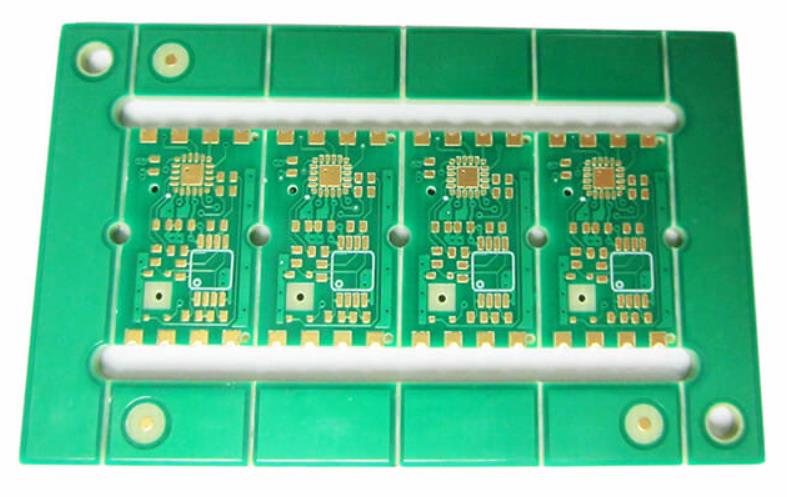
An earphone PCB is a printed circuit board designed specifically for headphones and earphones. It manages the audio signal path, power delivery, and connections between the drivers, microphones, and control buttons inside the product. Think of it as the skeleton and nervous system of the headphone: it holds the crossover components, amplifier circuits, and connectors in place while carrying the analog audio signal from the cable or wireless receiver to the drivers.
Unlike boards in general consumer electronics, earphone PCBs demand precision circuit design because every trace adds resistance, capacitance, or inductance that can color the sound. High-end audiophile headphones often use multilayer boards and premium materials to keep signal loss minimal and interference low. Even the choice of solder pad finish can subtly affect reliability and sound consistency over years of use.
Main Components on an Earphone PCB
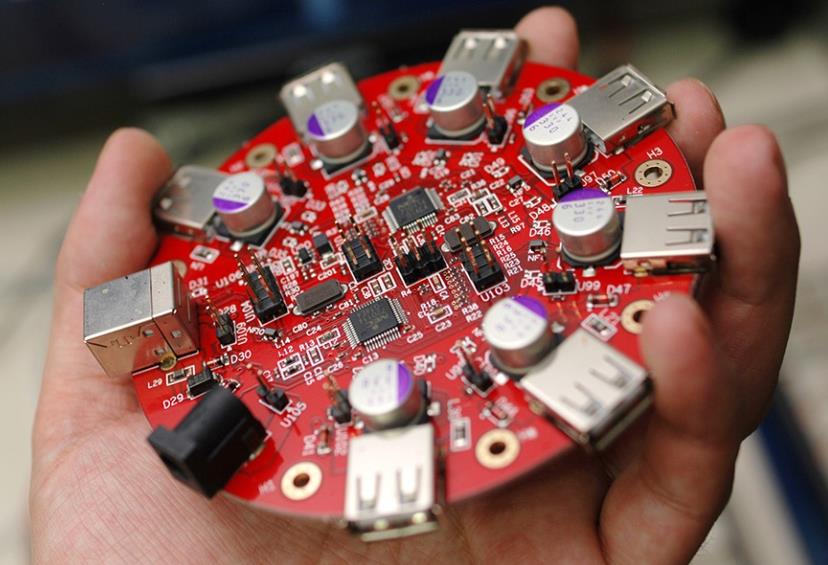
The components mounted on an earphone board define its behavior. Capacitors, resistors, and inductors shape the frequency response and filter out noise; in multi-driver headphones they form the crossover that splits the signal between bass, midrange, and treble drivers. Integrated circuits handle audio processing, amplification, and digital-to-analog conversion in wireless and active models. Connectors and solder joints provide the mechanical and electrical link between the board, the cable, and the drivers.
Component quality directly influences durability and sound. A precision resistor with tight tolerance keeps the left and right channels balanced; a high-quality capacitor delivers clean power to the amplifier stage; a well-designed connector resists the microphonic noise that plagues cheap headphones when the cable moves. Audiophiles who upgrade these components in DIY builds often hear an immediate improvement in clarity and detail.
How the PCB Affects Audio Performance
A well-designed earphone PCB improves sound in several measurable ways. Signal transmission quality rises because careful trace routing and low-loss materials reduce signal loss and interference, keeping the audio path clean. Noise performance improves with proper grounding and layout, which suppresses the hum and hiss that cheap boards introduce. Frequency accuracy sharpens, so bass, midrange, and treble are reproduced with the balance the designer intended.
Audiophile-grade headphones frequently use low-noise PCB construction with optimized routing to lift the listening experience. Every millimeter of trace in the analog path matters: a ground loop here or a noisy power trace there shows up as a subtle veil over the music. That is why serious audio brands treat the earphone PCB as a sound-tuning element rather than a commodity part.
Earphone PCB Materials and Manufacturing
Board material and fabrication quality affect both sound and lifespan. FR-4 is the standard substrate for rigid sections and works well for most wired models. Rogers and other low-loss laminates appear in designs where signal purity is critical, especially wireless models where the radio and audio circuits share the board. Flexible PCB material suits earbuds and foldable headphones where the circuit must bend into tight spaces.
Surface finish also matters. Hard gold and ENIG finishes provide stable conductivity and resist wear and oxidation on connectors and contact pads. Quality standards come into play for vibration, humidity, and temperature resistance, because a headphone board lives inside a device that is carried, dropped, and exposed to sweat. High-quality earphone PCBs generally cost $5 to $25 per board depending on layer count, materials, and complexity.
Design Essentials for Earphone PCBs
Earphone board design rewards careful planning in four areas. Impedance matching ensures the amplifier drives the drivers efficiently and consistently across the frequency range. Routing optimization keeps sensitive analog traces away from power lines and digital signals, reducing audible interference. Thermal management prevents overheating inside compact enclosures, especially in active noise-canceling models with amplifiers and DSP chips. Wireless integration adds digital signal processing circuitry and antenna layout work for Bluetooth models.
Good design reduces distortion and improves overall sound quality, but it also improves manufacturing yield. Traces that respect standard spacing, pads with adequate annular ring, and components chosen for their availability all make the board easier to build reliably. Working with the factory on these points during the design review prevents the small issues that cause big delays later. The PCB manufacturing team behind gopcb routinely provides this kind of engineering feedback before production.
Testing and Quality in Audio Board Production
Because earphone boards carry analog audio, testing goes beyond simple continuity. Automated optical inspection verifies that components are placed correctly and solder joints are sound. Electrical testing confirms every trace connects as designed and no shorts exist between channels. For wireless models, RF testing checks that the Bluetooth radio performs without interfering with the audio path. Functional testing plays the board through a reference driver and measures output balance, noise floor, and frequency response.
Audio boards also benefit from age-related screening. Components that drift with temperature can change the sound signature over time, so thermal cycling samples catch weak solder joints and marginal parts before they reach production. Vibration testing matters for sports headphones that will bounce in a gym bag for years. A factory that runs these checks as standard procedure, rather than only for premium orders, delivers boards that keep sounding right long after the warranty period begins.
Earphone PCB Price and Cost Factors
Earphone PCB pricing depends on material quality, layer count, and manufacturing complexity. Premium substrates and metal surface finishes raise the cost, as do multilayer stack-ups that improve signal integrity. Advanced noise-canceling designs and wireless functionality push the price higher because they add DSP, radio, and antenna work to the board.
Mid-range earphone PCBs typically cost $10 to $15 per board. High-end audiophile-grade boards with premium materials and tighter tolerances reach $20 to $25 per board. Prototype quantities cost more per unit, while production volumes above a few thousand boards bring the price down meaningfully. For commercial audio brands, the board cost is a small share of a premium headphone’s retail price, which makes quality investment easier to justify.
How to Choose the Right Earphone PCB
Choosing an earphone PCB depends on who is buying. DIY enthusiasts should look for boards with high-quality components, good solderability, and design flexibility for modifications, including generous pad sizes and clear documentation. Commercial manufacturers should prioritize durability, production-readiness, and reliability at scale, which means verified designs, proven fabrication processes, and consistent quality from batch to batch.
For both groups, supplier selection matters. A partner with experience in audio electronics understands crossover design constraints, shielding needs, and the importance of tight tolerance components. If the project also includes assembly, using a supplier that handles PCB assembly keeps the whole audio module in one workflow, from bare board to tested product.
Sourcing Strategy for Audio Brands
Commercial audio brands should treat the earphone board as a strategic purchase. Start the sourcing conversation early, while the acoustic design is still flexible, so the factory can advise on stack-up, component selection, and test requirements before the schematic is locked. Share the full bill of materials and driver specifications, because audio performance depends on the interaction between the board and the transducers, not the board alone.
Volume planning matters as much as design. A 1,000-board prototype run will cost several times more per unit than a 50,000-unit production order, so forecast honestly and commit volume where possible. Audio brands that maintain long-term relationships with their manufacturers get priority capacity during peak seasons and better pricing on specialty materials. Finally, request samples from actual production lines rather than hand-built engineering samples, so the sound you approve is the sound customers receive.
Common Problems and Troubleshooting
Earphone PCBs can develop faults over time. Signal loss or distortion usually points to a damaged trace or a cold solder joint. Component failure from aging capacitors, resistors, or ICs can change the sound balance or kill one channel. Connector problems, such as loose or oxidized contacts, cause intermittent audio when the cable moves.
Audiophiles can decide between repair and replacement based on the fault. Simple solder joint repairs are straightforward with basic tools. Component-level fixes require matching the original part values and are best attempted with a service manual. Severe damage to internal traces or multilayer areas usually makes replacement the better choice. Quality test coverage at the factory, including the kind offered by PCBA testing, prevents most of these failures from reaching customers in the first place.
Future Trends in Earphone PCB Technology
Earphone board technology is advancing quickly. Miniaturization keeps shrinking multilayer boards to fit smaller earbuds while adding more processing power. Flexible PCBs support foldable and ergonomic designs that bend with the user. Smart integration brings AI noise cancellation and enhanced wireless features directly onto the board. Advanced materials improve conductivity and thermal performance for high-output drivers.
These trends promise lighter, higher-performing, and more immersive audio products. For brands, staying current with flexible PCB capability and fine-pitch assembly is essential, because consumer expectations for wireless audio quality rise every year. Reviewing the supplier’s documented PCB capabilities and quality management system is the practical way to confirm a partner can keep pace.
Frequently Asked Questions
Q1. How long does an earphone PCB last? With quality materials and proper care, five to ten years or more is realistic.
Q2. Can I upgrade the PCB to improve sound quality? Yes, replacing a standard board with a high-fidelity design can improve clarity, especially in DIY or modified headphones.
Q3. How much does a high-quality earphone PCB cost? Typically $10 to $25 per board depending on materials, layer count, and complexity.
Q4. Does the PCB really affect audio quality? Yes, trace routing, grounding, and component quality on the board directly influence noise, channel balance, and frequency accuracy.
Q5. What finish is best for earphone PCB pads? ENIG or hard gold finishes resist oxidation and wear, which keeps contact quality stable for connectors and repeated assembly.
Q6. Can earphone PCBs support active noise cancellation? Yes, ANC models add DSP circuitry, microphones, and power management to the board, which increases complexity and cost but delivers the quiet listening experience users expect.
Conclusion
The earphone PCB is small, but its influence on sound, durability, and cost is enormous. From signal purity and noise performance to material selection and manufacturing quality, the board shapes the listening experience at every level. Whether you are a hobbyist upgrading a favorite pair or a brand launching a new audio product, investing in a well-designed, well-built earphone PCB is the surest path to sound that earns its price.