Smart Thermostat PCB Cost Guide 2025: Prices and Factors
Smart thermostats have become a standard feature in modern homes and commercial buildings, quietly cutting energy bills while keeping rooms comfortable. Behind the round display and the app controls sits a component that makes everything possible: the smart thermostat PCB. This board integrates the temperature sensor, microcontroller, wireless module, and control circuitry that let a thermostat learn schedules, talk to a phone, and switch heating and cooling systems reliably. For manufacturers and procurement teams, understanding smart thermostat PCB price in 2025 is essential for building a profitable product. This guide explains what drives the cost, what realistic price ranges look like, and how to reduce expenses without sacrificing quality.
What Is a Smart Thermostat PCB?
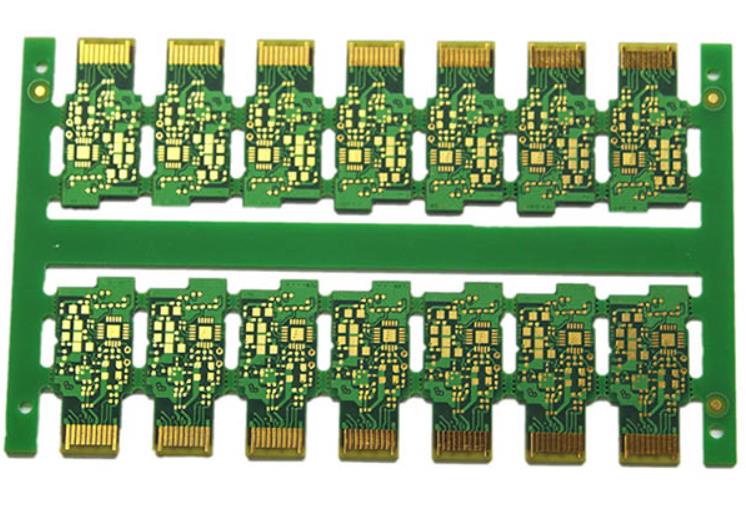
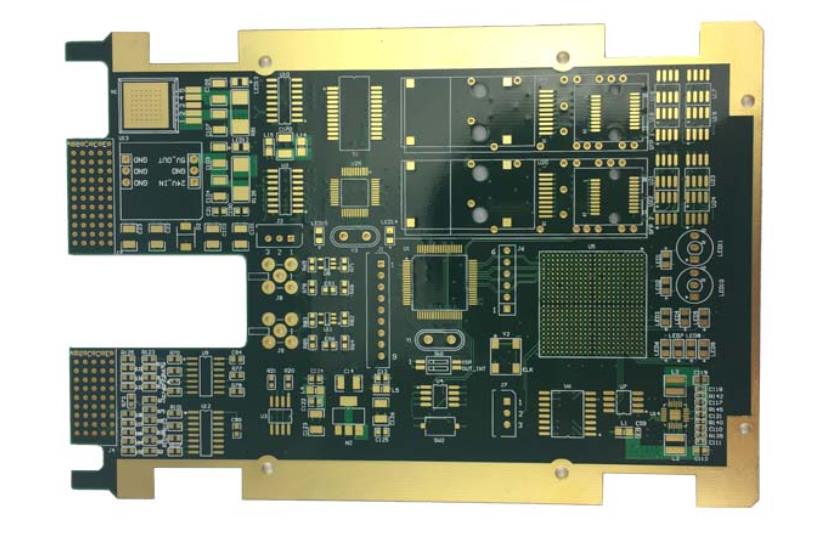
A smart thermostat PCB is the core circuit board inside a connected thermostat. It carries the temperature sensing elements, the microcontroller that runs the control algorithm, the Wi-Fi or other wireless module that connects the device to a network, and the relay or triac circuits that switch the HVAC equipment. The board also manages power drawn from the system’s C-wire or battery and drives the display and user interface.
The design and material quality of this board directly influence the thermostat’s performance, durability, and cost. A thermostat must operate reliably for years in a wall-mounted enclosure, survive power fluctuations from the HVAC system, and keep its wireless connection stable. Those requirements show up in the PCB specification: clean power design, careful analog sensing layout, and robust relay drive circuitry.
The Smart Thermostat PCB Market in 2025
The market for smart thermostats continues to grow as energy-efficient HVAC systems and IoT devices spread through homes and offices. The global smart thermostat market is projected to exceed $8 to $10 billion in 2025, and that growth pulls PCB demand along with it. Every thermostat shipped, from basic programmable models to premium learning thermostats with occupancy sensors and remote sensors, contains at least one main board and often a small secondary board in the remote sensor.
Production geography shapes pricing. In China, volume-manufactured smart thermostat PCBs typically cost $3 to $10 per board, making the country the most cost-effective manufacturing base. In the US and Europe, comparable boards cost $12 to $25 each, reflecting higher labor and compliance expenses. The gap explains why most thermostat brands, including many famous Western names, manufacture their boards in Asia.
Factors That Affect Smart Thermostat PCB Price
Several variables determine the final cost of a smart thermostat board, and knowing them makes supplier quotations much easier to compare.
Material selection. Standard FR-4 keeps cost low for most designs. High-Tg laminates, which withstand the heat near relay components, or flexible materials for unusual enclosures raise the price by 15 to 25 percent.
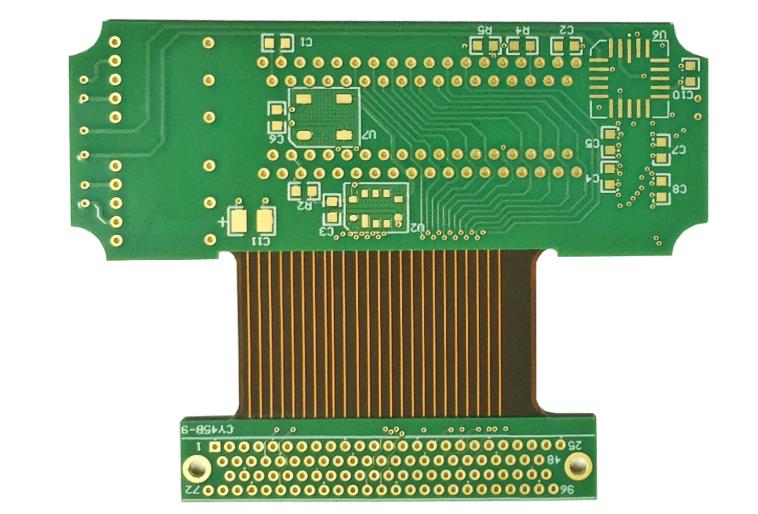
Layer count and complexity. A simple two-layer board runs about $3 to $5. Complex six-to-eight-layer designs with clean analog and digital separation can reach $20 to $40 because of added lamination, drilling, and testing.
Component cost. The Wi-Fi module, Bluetooth radio, precision sensors, and display driver add $5 to $15 to the assembled cost depending on the feature set. Certified wireless modules cost more than bare radio chips but shorten certification timelines.
Testing and quality control. Functional testing typically adds 5 to 10 percent of total cost. For a device that switches HVAC equipment, this testing is essential: a relay that fails to switch or a sensor that drifts can cause expensive comfort complaints and warranty returns.
Average Smart Thermostat PCB Price Ranges
Realistic 2025 pricing follows a clear pattern by stage and region. Prototype development costs about $50 to $200 per batch, covering engineering setup and quick-turn fabrication. Small-series production runs $10 to $25 per board. Large-scale production in China reaches $3 to $10 per board, with simple two-layer designs at the low end and complex multilayer boards at the top.
Regional comparison shows the familiar spread: US and European pricing runs 30 to 50 percent above Chinese pricing for the same specification. For a product sold in competitive retail channels, that difference often decides whether the product is profitable at its target price point.
Design Essentials for Thermostat Boards
A thermostat board looks simple from the outside, but its design hides real engineering depth. The temperature sensing path must be accurate to a fraction of a degree, which means the sensor traces must stay away from heat sources on the board itself. Power supply design is equally demanding: the thermostat often draws its power from the HVAC control circuit, which can supply only limited current, so the board’s power converter must be efficient and quiet while the relay is switching inductive loads.
Relay drive circuits need flyback protection so switching the compressor or valve does not generate voltage spikes that reset the microcontroller. The wireless module needs a clean antenna area with clearance from metal and high-current traces, because a thermostat mounted near metal ductwork already struggles with signal range. The display connector and touch electrodes, when present, need protection against static discharge from users who touch the wall unit every day.
Each of these requirements adds traces, components, and test points, and each must be balanced against the cost target. This is why experienced thermostat manufacturers review the layout with the customer before fabrication. Design-for-manufacturability feedback at that stage prevents the kind of late changes that multiply both cost and lead time.
Cost Structure of a Smart Thermostat PCB
Breaking the total price into components helps buyers negotiate with facts. Raw materials, including laminate, copper foil, and finishes, account for about 30 to 40 percent of the cost, roughly $1.50 to $3.00 per board. PCB fabrication adds $1.00 to $2.50. Assembly and soldering contribute $2.00 to $6.00 depending on component density. Testing and quality control add $0.50 to $2.00, and packaging plus logistics adds $0.20 to $1.00. In total, a mid-volume smart thermostat PCB lands between $5 and $15 per board.
This structure explains two common mistakes. Buyers who focus only on fabrication price miss that assembly and testing dominate the middle of the range. Buyers who skip functional testing to save $1 per board risk warranty costs that dwarf the saving. A complete quotation that itemizes each stage is the only reliable basis for comparison.
A useful budgeting example clarifies the numbers. A mid-range Wi-Fi thermostat with a 2.4-inch display, four-layer main board, and remote sensor board would typically carry a total PCB cost of $6 to $9 per unit at 10,000-unit volume in China, including bare boards, assembly, and functional testing. The same specification from a US assembler would land near $14 to $18. Across a one-million-unit production run, that gap represents millions of dollars in gross margin, which is why volume thermostat programs pay such close attention to board sourcing strategy.
2025 Price Trends for Smart Thermostat PCBs
Several trends are shaping prices this year. Raw material costs for copper foil and copper-clad laminate are rising, adding roughly $0.50 to $1.00 per board. HDI and flexible PCB technology, used in compact and designer thermostats, commands a 20 to 30 percent premium, bringing per-board pricing to $12 to $20. Automated robotic assembly is trimming labor costs by about $1 to $2 per board as factories modernize. Eco-friendly lead-free and sustainable materials add 5 to 10 percent to material cost, roughly $0.50 to $1.50 per board, but increasingly satisfy retailer and regulatory requirements.
Overall, buyers can expect stable pricing at the low end for conventional two-to-four-layer boards, while feature-rich premium designs carry the technology premium.
How to Reduce Smart Thermostat PCB Cost
Proven methods keep smart thermostat PCB cost under control without harming reliability. Optimize the design first: simplifying the board layout and removing unnecessary layers saves $2 to $5 per board. Consolidate purchasing second: large orders can drop unit pricing from $10 to $15 down to $3 to $7. Source from China third: working with Chinese manufacturers typically saves 20 to 40 percent, about $5 to $8 per board, compared with US or European suppliers. Work with an experienced partner fourth, because a factory that catches design issues during DFM review prevents expensive rework later.
Choosing a supplier that combines fabrication with PCB assembly shortens the chain further. The board arrives tested and ready for enclosure assembly, rather than traveling between separate vendors. Volume pricing at capable Chinese factories can reach $3 per board for standard designs while maintaining IPC Class 2 quality and full electrical test.
Choosing a Smart Thermostat PCB Manufacturer
Selecting the right manufacturer matters as much as the design. Look for ISO and RoHS certification, a proven delivery record, and production capacity that matches your volume. Ask about experience with HVAC and smart home products, since relay drive circuits, power supply design, and wireless certification all benefit from domain knowledge. Confirm that testing covers automated optical inspection, electrical test, and functional verification of the relay switching paths.
A partner with documented PCB capabilities and a mature quality management system provides confidence for volume production. For thermostats that must pass UL or ENERGY STAR programs, the factory’s documentation quality and traceability directly affect how smoothly the product certification proceeds. Test coverage through PCBA testing should be part of the standard flow, not an add-on for premium orders.
Energy Efficiency and Certification Considerations
Smart thermostats earn their value through energy savings, and certification programs turn that promise into a marketable claim. ENERGY STAR certification requires accurate temperature control and proven energy savings, which depend on the sensor and control algorithm performing consistently. UL certification covers the safety of the mains-connected switching circuitry. Each program requires documentation that traces back through the PCB design and manufacturing records.
Boards designed with adequate creepage and clearance, correct relay derating, and clean sensing circuits pass these certifications faster. A manufacturer that understands the requirements can advise on layout changes before certification testing begins, saving weeks of rework. This is where experience in HVAC electronics, not just general PCB production, becomes a measurable competitive advantage.
Frequently Asked Questions
Q1. What is the average price of a smart thermostat PCB in 2025? Typically $3 to $15 per board, depending on production volume, layer count, and feature complexity.
Q2. Why are Chinese suppliers cheaper? Lower labor costs, high automation, and optimized supply chains let Chinese factories price 20 to 40 percent below US and European suppliers.
Q3. How much does prototype development cost? Prototypes generally cost $50 to $200 per batch depending on board type and specifications.
Q4. How can I cut PCB cost without hurting quality? Work with an experienced manufacturer, order in volume, and optimize the design, which together can save $2 to $5 per board.
Q5. Which certifications do smart thermostat boards need? Common requirements include ISO and RoHS for manufacturing, plus product-level UL and ENERGY STAR certification depending on the target market.
Q6. Do smart thermostats need multilayer PCBs? Many do, because separating analog sensing, digital control, and power switching improves reliability, though simple designs can succeed with two to four well-laid-out layers.
Conclusion
In 2025, smart thermostat PCB price ranges from about $3 to $25 per board depending on complexity, components, and manufacturing region. The key to competitive cost is not squeezing the cheapest quote but optimizing the design, choosing the right manufacturing partner, and consolidating volume. With those elements in place, brands can deliver smart thermostats that save energy, satisfy certification programs, and still earn healthy margins in a fast-growing market.