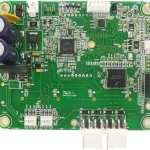
Whether you are designing a simple sensor board, an industrial controller, a medical device, an automotive control unit, or an advanced aerospace system, every Printed Circuit Board (PCB) depends on electronic components working together to perform specific electrical functions.
Each component has a different role. Some store electrical energy, others regulate voltage, switch current, process data, amplify signals, protect circuits, or connect different systems.
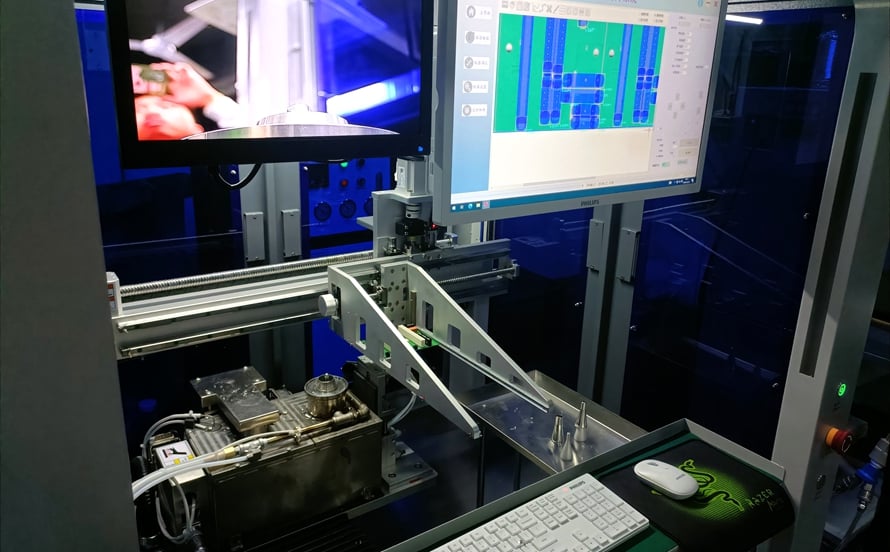
Choosing the right Electronic Components for PCB Design directly affects electrical performance, product reliability, manufacturability, cost, thermal behavior, and long-term component availability.
For this reason, engineers should consider component selection from the earliest stages of PCB design rather than treating it as a procurement issue after the circuit has already been completed.
A reliable PCB Assembly Manufacturer can also help engineers evaluate component footprints, package selection, BOM availability, assembly feasibility, and manufacturing risks before production begins.
What Are Electronic Components?
Electronic Components are individual devices used to control, store, convert, transmit, sense, or protect electrical energy and signals within an electronic circuit.
Components are mounted on a PCB and electrically connected through copper traces, vias, solder joints, and other interconnect structures.
Electronic components can generally be divided into three major categories:
- Passive Components
- Active Components
- Electromechanical Components
Understanding these categories is fundamental to PCB Design and PCB Assembly.
It is also important to distinguish between a component, module, and PCB assembly.
A component is an individual electronic device such as a resistor, capacitor, MOSFET, connector, or microcontroller.
A module combines multiple electronic components into a functional subsystem, such as a Bluetooth module, Wi-Fi module, DC-DC power module, or sensor module.
A PCB Assembly (PCBA) is a completed circuit board containing mounted electronic components that is ready to be integrated into the final product.
The Three Main Types of Electronic Components
1. Passive Components
Passive Components do not provide electrical gain. They primarily store, dissipate, filter, or transfer electrical energy.
The most common passive components include resistors, capacitors, and inductors.
Resistors
A Resistor limits current and creates controlled voltage relationships within a circuit.
Typical applications include:
- Current limiting
- Voltage division
- Biasing
- Pull-up and pull-down circuits
- Signal termination
- Current sensing
Important resistor specifications include:
- Resistance value
- Tolerance
- Power rating
- Maximum working voltage
- Temperature coefficient of resistance (TCR)
- Package size
For precision electronics, resistor tolerance and temperature coefficient can directly affect system accuracy.
For power circuits, engineers must also ensure that the resistor’s power rating provides sufficient margin under worst-case conditions.
Capacitors
Capacitors store electrical charge and are used in almost every modern electronic system.
Common applications include:
- Power supply decoupling
- Noise filtering
- Signal coupling
- Timing
- Energy storage
- Power stabilization
Common capacitor technologies include:
- MLCC
- Tantalum capacitors
- Aluminum electrolytic capacitors
- Film capacitors
When selecting capacitors, engineers should evaluate:
- Capacitance
- Voltage rating
- ESR
- Ripple current
- Temperature characteristics
- DC bias behavior
- Expected service life
For high-speed digital systems, properly positioned Decoupling Capacitors are especially important for maintaining stable power delivery to ICs.
Inductors
Inductors store energy in a magnetic field and are widely used in power and filtering circuits.
Typical applications include:
- DC-DC converters
- Switching regulators
- EMI filters
- RF circuits
- Energy storage
Important specifications include:
- Inductance
- Saturation current
- DCR
- Q factor
- Self-resonant frequency
- Core material
For power electronics, saturation current and thermal performance are particularly important.
2. Active Components
Active Components require electrical power and can control, amplify, switch, regulate, or process electrical signals.
Major active component categories include diodes, transistors, integrated circuits, microcontrollers, processors, and power-management devices.
Diodes
A Diode primarily allows current to flow in one direction.
Common diode types include:
- Rectifier diodes
- Schottky diodes
- Zener diodes
- TVS diodes
- LEDs
- Photodiodes
They are commonly used for:
- Rectification
- Reverse-polarity protection
- Voltage regulation
- ESD protection
- Transient suppression
- Signal switching
For automotive, industrial, and power applications, engineers should pay particular attention to reverse voltage, forward current, surge capability, and thermal characteristics.
Transistors
Transistors are widely used as electronic switches and amplifiers.
Common transistor families include:
- BJTs
- MOSFETs
- IGBTs
MOSFETs
MOSFETs are among the most widely used power and switching components.
They are common in:
- DC-DC converters
- Battery-management systems
- Motor controllers
- Power supplies
- Load switches
- Automotive electronics
Important parameters include:
- Drain-source voltage
- Continuous current
- RDS(on)
- Gate charge
- Switching frequency
- Thermal resistance
- Power dissipation
Lower RDS(on) can reduce conduction losses, while lower gate charge can be beneficial for higher-frequency switching applications.
Integrated Circuits
Integrated Circuits (ICs) combine large numbers of transistors and other circuit elements into a semiconductor package.
Instead of constructing complex functions from hundreds of discrete components, engineers can use ICs to integrate sophisticated functions into a compact package.
Common IC categories include:
- Microcontrollers (MCUs)
- Microprocessors (MPUs)
- Memory
- Power-management ICs
- Operational amplifiers
- ADCs
- DACs
- FPGAs
- ASICs
- RF transceivers
- Communication controllers
The selection of an IC can influence nearly every aspect of PCB design, including:
Layer Count + Power Delivery + Thermal Management + Signal Integrity + Component Placement + Manufacturing Complexity
3. Electromechanical Components
Electromechanical Components connect electronic circuits to external systems or introduce mechanical switching and movement.
Connectors
Connectors transfer power and signals between PCBs, cables, sensors, and external systems.
Important specifications include:
- Current rating
- Voltage rating
- Contact resistance
- Pitch
- Mating cycles
- Mechanical strength
- IP protection
- Temperature range
For outdoor, automotive, and industrial applications, environmental sealing and vibration resistance may be important.
Switches
Switches allow a user or control system to open or close an electrical circuit.
Common types include:
- Pushbutton switches
- Toggle switches
- Slide switches
- Rotary switches
- DIP switches
Relays
Relays use an electrical signal to control another circuit mechanically.
They are frequently used in:
- Industrial controls
- Automotive electronics
- Power systems
- Motor control
- Safety circuits
One important advantage of a relay is electrical isolation between control and switched circuits.
SMT vs. THT Electronic Components
Modern PCB production commonly uses Surface Mount Technology (SMT) because SMT supports miniaturization, high component density, and automated production.
However, Through-Hole Technology (THT) remains useful for components that require greater mechanical strength or specific electrical characteristics.
| Feature | SMT Components | THT Components |
|---|---|---|
| Mounting method | Mounted directly on PCB surface | Leads inserted through holes |
| Package size | Smaller | Generally larger |
| Component density | High | Lower |
| Assembly | Highly automated | Automated, selective, or manual |
| Mechanical strength | Good | Excellent |
| Repairability | More difficult for fine pitch | Often easier |
| Typical applications | ICs, passive components, sensors | Connectors, transformers, power components |
Many modern products use Mixed Technology PCB Assembly, combining SMT and THT components to achieve the best overall balance between electrical performance, mechanical strength, and manufacturability.
Common Electronic Component Packages
Electronic components are available in hundreds of package configurations.
Package selection affects:
- PCB size
- Thermal performance
- Signal integrity
- Assembly yield
- Inspection
- Rework
- Manufacturing cost
Common Passive Component Packages
Typical chip sizes include:
- 0201
- 0402
- 0603
- 0805
- 1206
Smaller packages save PCB area but require greater assembly precision.
Leaded IC Packages
Common leaded packages include:
- SOIC
- TSSOP
- QFP
- DIP
Leadless Packages
Modern compact products frequently use:
- QFN
- DFN
- LGA
These packages provide high density but can require X-ray inspection or specialized soldering control.
BGA Packages
BGA (Ball Grid Array) packages place solder balls beneath the device.
They provide:
- High pin density
- Short electrical connections
- Good electrical performance
- Compact package dimensions
However, hidden solder joints make inspection more challenging.
For this reason, X-Ray PCB Inspection is commonly used for BGA assemblies.
How to Choose the Right Electronic Components
Selecting the right Electronic Components for PCB Assembly requires more than comparing part prices.
Engineers should consider the entire product lifecycle.
1. Define Electrical Requirements
Start with:
- Voltage
- Current
- Frequency
- Power
- Accuracy
- Switching speed
- Capacitance/inductance requirements
- Signal characteristics
The selected component should provide appropriate operating margins rather than being used continuously near its absolute maximum ratings.
2. Evaluate Environmental Conditions
The component should match the intended operating environment.
Consider:
- Temperature
- Humidity
- Vibration
- Shock
- Chemicals
- Dust
- Pressure
For automotive or industrial applications, component environmental specifications can be especially important.
3. Consider Thermal Performance
High-power components require appropriate thermal analysis.
Engineers should evaluate:
- Power dissipation
- Junction temperature
- Thermal resistance
- PCB copper area
- Thermal vias
- Heat sinks
- Airflow
A component that meets electrical specifications but exceeds its thermal limits can still cause system failure.
4. Select the Appropriate Package
Package selection influences PCB layout and assembly.
A smaller package can save space but may increase:
- Assembly complexity
- Inspection requirements
- Rework difficulty
A larger package may improve thermal and mechanical performance but consume more PCB area.
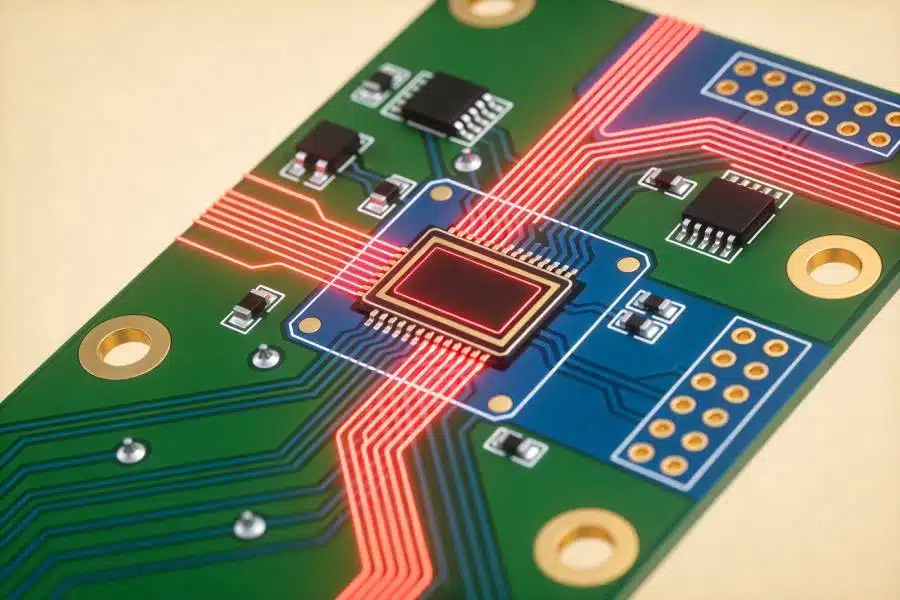
5. Check Component Lifecycle
Component Lifecycle Management is critical for products expected to remain in production for many years.
Engineers should check:
- Active status
- Last-time-buy status
- End-of-life status
- Manufacturer availability
- Second-source options
This is particularly important for industrial, automotive, medical, and aerospace products.
6. Evaluate Supply Chain Availability
A technically ideal component is not useful if it cannot be reliably sourced.
Engineers should evaluate:
- Current availability
- Lead time
- Authorized distribution
- Minimum order quantity
- Supplier reliability
- Alternative parts
BOM optimization should therefore be part of the early design process.
7. Verify Regulatory Requirements
Depending on the target market and application, components may need to meet requirements related to:
- RoHS
- REACH
- UL
- AEC-Q100
- AEC-Q200
- Other customer-specific standards
AEC-Q100 and AEC-Q200, for example, apply to automotive semiconductor and passive-component qualification rather than directly certifying an entire PCB.
Electronic Component Selection for High-Speed PCB Design
High-speed designs require additional component-selection considerations.
Engineers need to examine:
- Package parasitics
- Signal path length
- Pin assignment
- Differential-pair routing
- Decoupling requirements
- Power integrity
- Thermal performance
For high-speed interfaces, package selection and placement can affect:
Signal Integrity → EMI → Timing → Overall System Performance
Therefore, component selection should be performed together with PCB stack-up and high-speed routing planning.
Electronic Components for Power Electronics
Power electronics require components capable of handling significant voltage, current, and thermal loads.
Typical components include:
- MOSFETs
- IGBTs
- Power diodes
- Inductors
- Capacitors
- Gate drivers
- Current sensors
- Protection devices
The PCB itself must also be designed accordingly, potentially using:
- Heavy copper
- Large copper planes
- Thermal vias
- Metal-core structures
- Enhanced creepage and clearance
Electronic Components for Automotive PCB Applications
Automotive electronics often require higher reliability and longer operating life than conventional consumer products.
Common automotive PCB components include:
- Automotive MCUs
- Power MOSFETs
- PMICs
- CAN transceivers
- Ethernet PHYs
- Radar ICs
- Sensor interfaces
- Memory
- Connectors
Depending on the component category, automotive programs may use AEC-Q100, AEC-Q200, and other automotive qualification requirements.
For safety-related vehicle systems, PCB development may also need to support the broader functional-safety framework of ISO 26262.
Electronic Components for Medical PCB Applications
Medical electronics may use:
- Precision amplifiers
- ADCs
- Sensor ICs
- MCUs
- Communication modules
- Power-management ICs
- Medical-grade connectors
The component-selection process may involve additional requirements related to reliability, documentation, traceability, and applicable regulatory requirements.
For regulated medical products, manufacturing partners may also need quality systems such as ISO 13485.
Component Selection and PCB Manufacturing
Selecting a component is only the first step.
The component must also be compatible with the manufacturing process.
A PCB manufacturer should evaluate:
Component Package → Footprint → Stencil → Placement → Reflow → Inspection → Testing
For example, an advanced QFN package may require special stencil optimization and potentially X-ray inspection.
Similarly, BGA components may require:
- Controlled solder-paste volume
- Accurate placement
- Proper reflow profiling
- X-ray inspection
Therefore, DFM for PCB Assembly should be performed before production.
Component Management and BOM Optimization
A well-controlled Bill of Materials (BOM) is essential for successful PCB assembly.
A production-ready BOM should contain:
- Manufacturer part number
- Manufacturer
- Description
- Quantity
- Reference designator
- Package
- Approved alternatives
- Lifecycle information
BOM management can reduce risks related to:
- Component shortages
- Obsolescence
- Counterfeit parts
- Procurement delays
- Unexpected cost increases
A professional PCB Assembly Manufacturer can review BOMs and recommend qualified alternatives where appropriate.
Kingda Component Procurement and PCB Assembly
Kingda provides integrated Electronic Component Procurement and PCB Assembly services as part of its one-stop electronics manufacturing model.
The company states that its manufacturing services cover PCB fabrication, component procurement, SMT assembly, DIP/THT assembly, testing, and finished-product assembly. (gopcba.com)
Component Sourcing
Kingda provides component procurement and supply-chain management services, supporting BOM-based procurement and component availability management. (gopcba.com)
This can help customers manage:
- Component availability
- Alternative sourcing
- Procurement lead time
- Inventory
- BOM consistency
Advanced SMT Assembly
Kingda’s published assembly capabilities include:
- 01005 components
- BGA
- QFN
- CSP
- LGA
- Fine-pitch devices
Its published capabilities include BGA packages down to 0.25 mm pitch for certain prototype services and advanced SMT assembly capabilities. (gopcba.com)
SMT, THT, and Mixed Technology
Kingda supports:
- SMT assembly
- THT assembly
- DIP assembly
- Mixed technology assembly
- Selective soldering
- Manual assembly
This allows different component technologies to be integrated on the same PCB. (gopcba.com)
Advanced Inspection
Kingda lists:
- SPI
- AOI
- X-Ray
- ICT
- FCT
- First Article Inspection
in its PCB assembly and testing capabilities. (gopcba.com)
These inspection technologies help verify component placement and solder-joint quality.
Traceability
Kingda states that its manufacturing systems support full product-process traceability, helping connect material procurement, manufacturing, testing, and product delivery. (gopcba.com)
This can be particularly valuable for automotive, medical, industrial, and other products where component history and manufacturing records are important.
Kingda’s Advantages for Electronic Component and PCBA Projects
One-Stop Manufacturing
Kingda integrates:
PCB Fabrication + Component Procurement + SMT/THT + Inspection + Testing + Box Build
This reduces the need to coordinate multiple manufacturing suppliers. (gopcba.com)
Advanced Component Capability
Support for fine-pitch, BGA, QFN, CSP, LGA, and 01005 components allows Kingda to handle advanced PCB assembly requirements. (gopcba.com)
Engineering and DFM Support
Kingda provides engineering support and manufacturing review to help identify potential problems before production.
Comprehensive Testing
SPI, AOI, X-ray, ICT, FCT, and other inspection methods provide multiple quality checkpoints.
Strong Quality Management
Kingda reports:
- ISO 9001
- IATF 16949
- ISO 13485
- ISO 14001
- UL
certifications. The company also states that it is an IPC member. (gopcba.com)
These qualifications support applications in automotive, medical, industrial, communication, AI, and other demanding industries.
Conclusion
Electronic components are the foundation of every PCB-based electronic system.
Understanding Passive Components, Active Components, Electromechanical Components, SMT Packages, THT Components, BGA, QFN, MOSFETs, ICs, Connectors, and other electronic devices is essential for developing reliable products.
However, choosing a component is only one part of the engineering process. Successful component selection must also consider:
The best component is not necessarily the cheapest or smallest component. It is the component that provides the right combination of performance, reliability, availability, manufacturing compatibility, and lifecycle stability for the application.
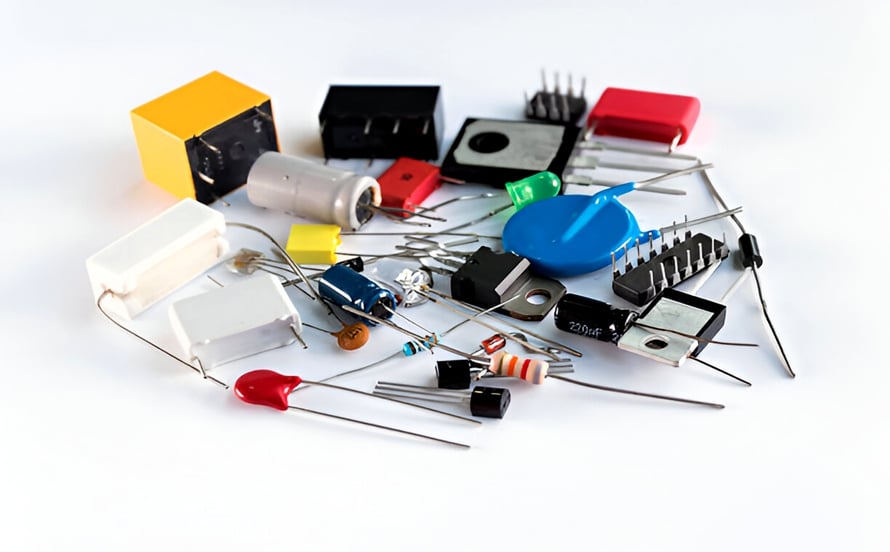
Kingda combines component procurement, PCB manufacturing, SMT/THT assembly, inspection, testing, and finished-product integration, allowing customers to manage the entire electronics manufacturing process through one partner. (gopcba.com)
For advanced electronics requiring fine-pitch components, BGA, QFN, 01005 packages, HDI PCB, high-speed PCB, automotive electronics, medical electronics, or industrial control systems, selecting an experienced PCB manufacturing and assembly partner early in the design process can significantly reduce production risk and improve long-term product reliability.