Energy Storage System PCB Price: Complete Cost Breakdown
In the rapidly evolving renewable energy market, Energy Storage Systems (ESS) play a critical role in grid stabilization, solar and wind integration, and electric vehicle applications. At the core of every ESS lies a precision-engineered PCB that ensures safety, efficiency, and reliability.
When engineers or procurement managers ask, “How much does an ESS PCB cost?” the answer is never a single number. Cost is influenced by materials, layer count, complexity, and production volume. Understanding these factors helps businesses choose the right ESS PCB manufacturer and optimize project budgets.
1. Understanding Energy Storage System PCBs
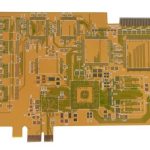
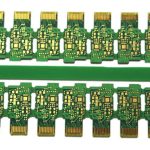
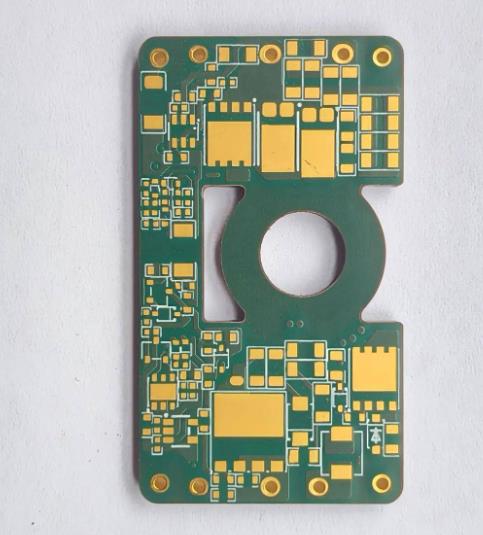
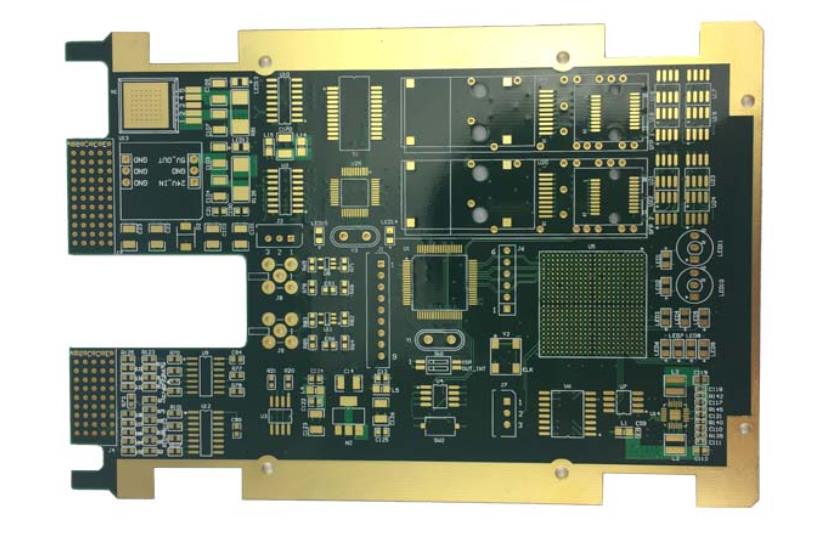
An ESS PCB is the central control unit for battery management systems (BMS), inverter control modules, and other energy storage components. These PCBs regulate charge/discharge rates, monitor temperature, and ensure safe operation of high-capacity battery banks.
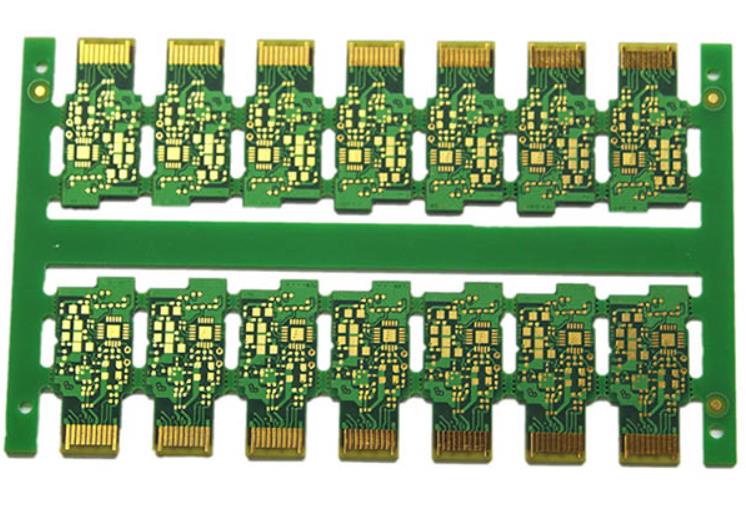
- Multilayer structures (2–12 layers) for complex routing
- High current-carrying capacity (thick copper)
- Thermal management (heatsinks or thermal via arrays)
- Durable materials (FR-4, aluminum, or polyimide)
2. Key Factors Affecting ESS PCB Cost
- Material type – FR-4 is standard; aluminum or polyimide offer better thermal performance at higher cost.
- Layer count – more layers increase routing complexity and cost.
- Copper thickness – 2–4 oz copper boards cost more than standard 1 oz.
- Thermal management & testing – advanced thermal solutions and impedance testing add 10–20% to production cost.
- Assembly complexity – SMT, through-hole, and dense BMS circuits increase cost.
3. Common Manufacturing Processes & Prices (USD/board)
| Process | Description | Price Range |
|---|---|---|
| Single-layer | Simple ESS applications | $0.80 – $1.50 |
| Double-layer | Standard BMS boards | $1.20 – $2.50 |
| Multilayer (6–12 layers) | Complex BMS & inverter control | $3.00 – $8.00 |
| HDI or heavy copper | High-current, high-density ESS | $5.00 – $12.00 |
Choosing the right process balances cost and performance. Explore GoPCB’s manufacturing capabilities →
4. Surface Finish Options & Cost Impact (USD/board)
| Finish | Description | Price Range |
|---|---|---|
| HASL (lead-free) | Standard, economical | $0.80 – $1.50 |
| ENIG | Precision pads, high durability | $2.00 – $4.00 |
| ENEPIG | Gold wire bonding, advanced | $5.00 – $8.00 |
| OSP | Eco-friendly, short shelf life | $0.90 – $1.80 |
| Immersion Ag / Sn | Balanced cost & performance | $1.50 – $3.00 |
For ESS applications, ENIG and immersion silver are widely adopted for their thermal stability and long-term reliability.
5. Assembly & Component Costs
- SMT assembly: ~$0.02–$0.05 per component
- Through-hole components: ~$0.10–$0.30 per board
- Common ESS components (MOSFETs, ICs, caps, sensors): ~$5–$15 per board
Labor, solder paste, and inspection also add to the total. Learn about GoPCB’s SMT assembly services →
6. Typical ESS PCB Price Ranges
| Type | Layers | Price per board (USD) |
|---|---|---|
| Prototype | 2–4 layers | $1.20 – $2.80 |
| Medium volume | 6 layers | $2.50 – $4.50 |
| High-performance BMS | 8–12 layers | $5.00 – $8.00 |
| Flex or aluminum-based | custom | $3.00 – $6.00 |
Volume production (1,000+ boards) can reduce unit cost by 20–30%.
7. Strategies to Reduce ESS PCB Cost
- Material selection – use FR-4 high-Tg ($1.2–$2.5) instead of polyimide ($3–$6).
- Layout optimization – reduce unnecessary vias and simplify routing to save $0.5–$1/board.
- DFM collaboration – early engagement with GoPCB avoids rework costs.
- Volume purchasing – 1,000+ boards can cut cost by 20–30% ($1–$3/board).
8. Why Choose GoPCB for ESS PCB Manufacturing
GoPCB brings over 15 years of experience in ESS PCB manufacturing, covering BMS, inverter, and high-current modules.
- Price range: $0.80–$3.50/board (depending on specs)
- Support 1–14 layers, HDI, heavy copper, flex
- Quick-turn prototyping & volume production
- Full electrical & impedance testing, ISO/UL certified
Explore low-volume assembly options · High-volume production
9. Global ESS PCB Price Comparison
| Region | Avg. price/board (USD) | Notes |
|---|---|---|
| China | $0.80 – $3.50 | High-volume, lower labor |
| USA | $3.00 – $8.00 | Premium materials, higher labor |
| Europe | $2.50 – $7.00 | High-end boards, short lead times |
| India | $1.00 – $4.00 | Emerging, competitive pricing |
10. Price Trends & Market Outlook
- Growing renewable energy and EV demand drives PCB complexity, with slight cost increases.
- HDI and heavy copper boards are becoming more common in high-capacity ESS, with prices stable at $5–$12/board.
- Volume production and centralized procurement remain the most effective cost-reduction levers.
11. Other Cost Considerations
- Regulatory compliance – UL, RoHS, ISO certification may add $0.50–$1.00/board.
- Testing & quality control – AOI, ICT, functional tests add $0.20–$0.50/board but prevent field failures.
- Prototype vs. production – prototypes have higher per-unit cost but are essential for design validation.
12. Conclusion
ESS PCB cost depends on materials, layer count, surface finish, assembly, and production volume. Understanding these factors and choosing an experienced manufacturer like GoPCB ensures the best balance between cost and performance. Whether for solar ESS, EV battery modules, or grid storage, a well-designed PCB guarantees long-term reliability and efficiency.
13. FAQ
- Q1: What is the minimum order quantity (MOQ)?
A1: GoPCB supports low-MOQ prototypes starting from 5 boards. - Q2: What is the lead time for PCB manufacturing?
A2: Standard lead time is 5–7 working days; expedited service available. - Q3: Can I get a custom ESS PCB quote?
A3: Yes, submit Gerber files or design specs for a free quote from GoPCB. - Q4: Does GoPCB support both prototype and volume production?
A4: Yes, from samples to mass production with consistent quality.
⚡ Contact GoPCB for your ESS PCB project — reliable, cost-effective, and built to last.