Heavy Copper PCB Price: 2oz, 3oz, 4oz and 6oz Cost Comparison
What Counts as Heavy Copper
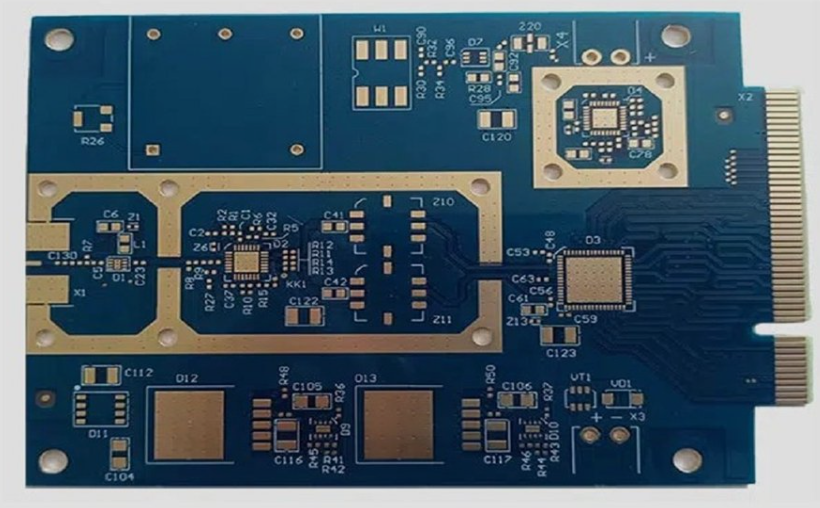
Standard PCB copper is one ounce per square foot, about 35 microns thick. Heavy copper usually means two ounces and above, and it is used when the board has to carry high current, survive repeated thermal cycling or spread heat away from power devices. Motor drives, inverters, battery management, welding equipment, LED lighting and industrial power supplies all rely on it. The attraction is that thick copper replaces busbars and cables, but the price rises quickly with every additional ounce, so it pays to understand exactly where the cost comes from.
Why Copper Weight Drives Cost
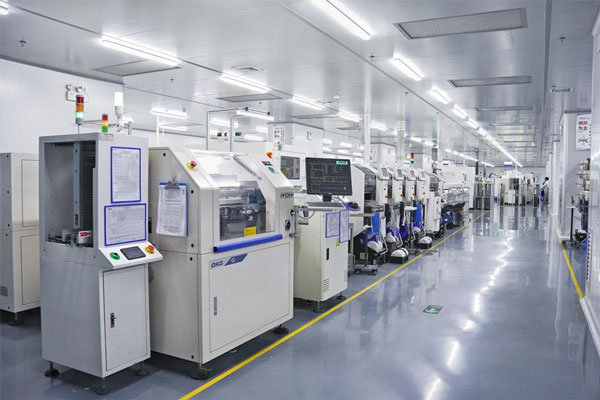
Etching. Thick copper needs longer dwell times and stronger chemistry, and the sideways undercut grows with thickness, so minimum line width and spacing increase. Plating. The plating time needed to reach the target thickness increases roughly in proportion to the copper weight, and long plating cycles consume more chemistry and energy. Lamination. More copper means more resin to flow, more pressure and a higher risk of voiding between heavy traces, so the press cycle is longer. Drilling. Thicker copper is harder to drill cleanly and wears bits faster. Material. The base laminate with heavy copper foil costs more than standard foil, and the number of usable layers may be lower.
Price by Copper Weight
Absolute prices depend on quantity, layer count, panel size and finish, so the useful way to compare is relative to a one ounce board of the same design:
2 oz. Roughly 1.3 to 1.6 times the cost of a 1 oz board. Minimum line width typically around 6 to 8 mil. 3 oz. Roughly 1.7 to 2.2 times. Minimum line width around 8 to 10 mil. 4 oz. Roughly 2.2 to 3 times. Minimum line width around 10 to 12 mil. 6 oz. Roughly 3.5 to 5 times, and sometimes more when the design also needs fine features. Minimum line width commonly 15 to 20 mil. The multipliers widen sharply at the top end, because heavy copper is often combined with thick boards and tight registration, both of which reduce yield.
The Hidden Cost Drivers
Copper weight is only one input. The minimum line width and spacing the design demands is often the real cost driver, because a heavy copper board with fine features has a narrow process window. Layer count matters too: a four layer heavy copper board is far cheaper than an eight layer one, so moving power and ground to dedicated layers only where necessary keeps the price down. Via design also counts, since small vias are harder to plate reliably in thick copper. Controlled impedance, blind or buried vias and tight mechanical tolerances each add cost on top of the copper itself.
Cost Comparison at a Glance
1 oz. Baseline cost, finest features, least thermal mass. 2 oz. Modest premium, good current capacity, still fine feature capable. 3 oz. Clear step up, suited to power distribution and moderate heat spreading. 4 oz. Expensive, used for high current and thermal planes. 6 oz. Premium pricing, thick traces, coarse features, dedicated power applications. As a rule of thumb, cost rises faster than current capacity, so specify the lightest copper that carries the current with acceptable temperature rise.
Ways to Control Heavy Copper Cost
Use heavy copper only on the layers that need it and keep the rest standard, which is common in a mixed stack-up. Keep traces as wide as the current demands but no wider, because extra copper adds cost without benefit. Avoid unnecessary fine features on heavy layers; if a fine pitch component is needed, place it on a standard copper layer and connect through vias. Keep the board outline and panel utilisation efficient, since heavy copper boards are often quoted by panel area. Finally, choose the surface finish for the function: thick copper usually implies high current, so a robust finish such as immersion tin or an organic coating is often enough and cheaper than gold.
Heavy copper changes the whole manufacturing flow, so the design has to match what the fabricator can hold. Review how PCB manufacturing etches and plates thick copper, keep line widths and spacings inside the achievable range in your PCB design and layout, and check the design and manufacturing considerations before release. A prototype PCB assembly run with a thermal test confirms the copper weight actually delivers the temperature rise you budgeted for.
FAQ
How much more does a 2 oz board cost than 1 oz? Typically 1.3 to 1.6 times, depending on quantity and how fine the features are.
Is 4 oz copper worth it? Only when the current or the thermal load genuinely needs it. Below that, 2 oz or 3 oz deliver most of the benefit at a lower price.
Why does heavy copper need wider traces? Because the etchant undercuts more as the copper gets thicker, so the process cannot hold very fine lines reliably.
Can heavy copper boards use fine pitch components? Yes, but the fine pitch parts should sit on standard copper layers and connect to the heavy layers through vias.
Conclusion
Heavy copper PCB price is driven by copper weight, and copper weight drives every step after it: etching, plating, lamination and drilling. Expect roughly 1.3 to 1.6 times the cost at 2 oz and up to 3.5 to 5 times at 6 oz, with the multipliers rising as features get finer. Specify the lightest copper that carries the current, keep fine features on standard layers, and the heavy copper board will deliver its thermal and current benefits in 2026 without an unnecessary price premium.