High Cleanliness and Biocompatible PCB Manufacturing Requirements
In specialized fields such as medical equipment, food inspection systems, and biological laboratory instruments, PCBs must provide not only stable electrical performance but also meet strict requirements for cleanliness and biocompatibility.
High cleanliness PCB technology ensures that PCB surfaces remain free from contaminants that could affect equipment accuracy and operational safety. Meanwhile, Biocompatible PCB designs ensure that materials used in PCB manufacturing do not cause harmful reactions or contamination when exposed to biological tissues, fluids, or food-related environments.
Unlike conventional circuit boards, these advanced PCBs require strict control throughout the entire manufacturing process, from material selection and production processes to environmental management and final inspection.
For applications requiring specialized performance, professional Medical PCB manufacturing solutions help ensure reliability, safety, and compliance with demanding industry standards.
1. Material Selection: Preventing Contamination and Compatibility Risks at the Source
The manufacturing of Biocompatible PCB products begins with strict material selection. Choosing the right materials is essential to prevent contamination risks and ensure long-term safety in sensitive applications.
Selecting Low-Emission and Low-Outgassing Materials
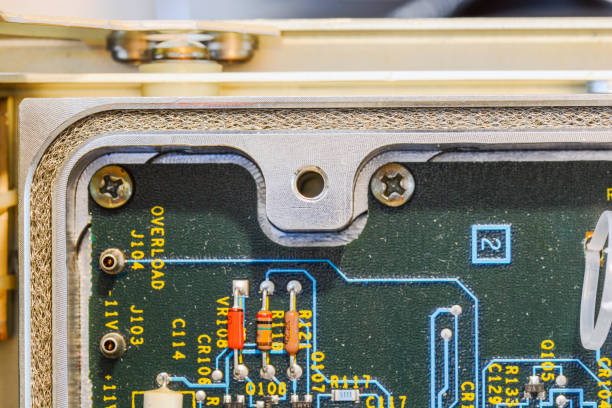
For high-cleanliness applications, PCB manufacturers typically select specialized substrate materials with low volatility and low outgassing characteristics.
These materials minimize the release of harmful gases, particles, or chemical substances during long-term operation, helping maintain a clean internal environment for medical devices, biological instruments, and food testing equipment.
For example, PCBs used in medical equipment that may indirectly contact body fluids require substrates that prevent harmful substance migration while maintaining excellent chemical resistance against cleaning agents such as alcohol and disinfectants.
For complex medical electronic systems, manufacturers often combine these materials with advanced Multilayer PCB solutions to achieve higher integration, improved reliability, and better signal performance.
Safe Solder Mask and Ink Selection
The selection of solder mask and PCB marking ink is equally important.
Traditional solder masks may contain volatile organic compounds (VOCs) or unwanted additives. However, PCBs used in high-cleanliness environments require environmentally friendly materials that are:
- VOC-free
- Heavy-metal-free
- Smooth after curing
- Resistant to dust accumulation
For applications with strict biological safety requirements, some PCBs require materials that have passed biocompatibility certifications, ensuring they do not cause allergic reactions, inflammation, or affect biological sample activity.
For example, PCB coatings used in in-vitro diagnostic equipment may require cytotoxicity testing to confirm that they do not negatively affect biological samples.
2. Manufacturing Process Control: Reducing Contamination Through Precision Production
The precision level of the manufacturing process directly determines whether a PCB can achieve high cleanliness and biocompatibility standards.
During critical processes such as etching, drilling, and soldering, manufacturers must implement specialized techniques to minimize contamination and prevent material degradation.
Advanced Cleaning and Etching Processes
During PCB etching, controlling chemical composition, temperature, and processing time is essential.
If etching chemicals are not completely removed, residual substances may remain on the PCB surface and later contaminate equipment interiors or biological samples.
To avoid this issue, PCB manufacturing services for high-cleanliness applications often include:
- Multiple pure-water cleaning cycles
- Advanced drying procedures
- Surface contamination control
These additional steps ensure that PCB surfaces remain free from chemical residues after manufacturing.
Safe Soldering and Surface Processing
Soldering processes also require strict control.
High-cleanliness PCBs typically use lead-free and halogen-free solder materials while carefully controlling soldering temperature and duration.
Excessive heat may cause substrate decomposition or solder mask degradation, potentially releasing unwanted substances.
In some applications requiring direct biological contact, manufacturers may use advanced welding technologies such as laser welding to reduce contamination from solder particles and welding fumes.
PCB cutting and edge processing also require precision equipment to ensure smooth edges without burrs. This prevents particle generation and avoids damage to surrounding structures or biological components.
3. Cleanroom Management: Preventing Contamination Throughout the Production Process
Producing High cleanliness PCB products requires strict environmental control throughout manufacturing, packaging, and transportation.
Every stage must follow clean production standards to prevent external contaminants from entering the manufacturing process.
Controlled Manufacturing Environments
PCB production facilities for medical and biological applications require controlled cleanroom environments equipped with:
- High-efficiency air filtration systems
- Temperature and humidity control systems
- Particle monitoring equipment
For medical-grade PCB production, key manufacturing areas may require high-level cleanliness standards to control airborne particles and microorganisms.
Additional methods such as ultraviolet sterilization and ozone treatment may also be used to reduce microbial contamination.
Personnel and Equipment Control
Personnel management is another critical factor.
Workers entering clean production areas must wear:
- Cleanroom garments
- Dust-free gloves
- Specialized footwear
They must also pass through air shower systems to remove particles before entering production zones.
During manufacturing, PCB transportation requires clean trays and anti-static packaging materials to prevent contamination from external environments.
Production tools and equipment must also be regularly cleaned using specialized materials to prevent surface contaminants from transferring onto PCBs.
4. Verification and Testing: Ensuring Cleanliness and Biocompatibility Standards
After manufacturing, PCBs must undergo comprehensive testing to verify that they meet cleanliness and biological safety requirements.
Cleanliness Testing
Cleanliness evaluation may include:
- Particle counting tests
- Surface contamination analysis
- Chemical residue detection
Advanced inspection equipment such as ion chromatography systems can be used to identify chemical residues and confirm compliance with required standards.
Biocompatibility Testing
Different applications require different biological safety evaluations.
For example:
- Skin-contact medical devices require irritation testing.
- Fluid-contact applications require cytotoxicity and sensitization testing.
- Biological analysis equipment requires sample compatibility evaluation.
These tests ensure that PCB materials do not negatively affect biological tissues, fluids, or samples.
For companies requiring strict quality assurance, choosing a professional Reliable PCB supplier helps ensure that every production stage follows consistent quality management procedures.
Long-Term Reliability Testing
In addition to initial testing, long-term reliability evaluations are necessary.
Manufacturers may simulate real operating conditions, including:
- Repeated sterilization cycles
- Chemical cleaning processes
- Long-term biological sample exposure
These tests verify whether PCB materials maintain stable performance over time without degradation, contamination, or harmful substance release.
5. Application-Specific Optimization: Custom Manufacturing for Different Industries
Different applications have different requirements for high cleanliness and biocompatibility.
Therefore, PCB manufacturing processes must be customized according to specific operating environments.
Medical Device Applications
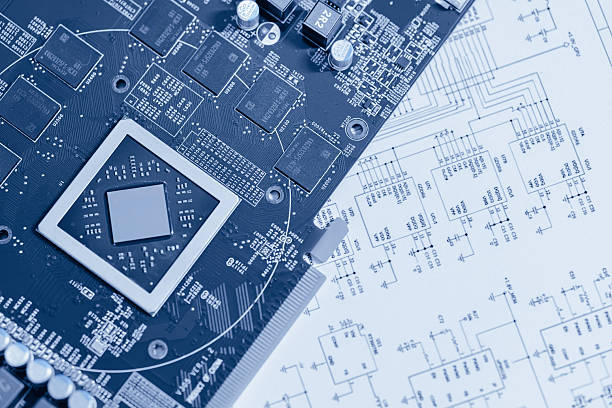
For implantable medical devices, PCBs require extremely high biocompatibility and long-term stability.
Manufacturers must select materials that resist body fluid corrosion and prevent degradation during extended implantation.
Production processes must also eliminate any substances that could trigger immune reactions.
Food Inspection and Biological Equipment
For food testing instruments and laboratory systems, PCBs may not directly contact human tissue but must still prevent harmful substance release.
Any contamination could affect testing accuracy or compromise sample reliability.
Therefore, manufacturers must ensure that PCB surfaces remain clean, stable, and chemically safe.
Sterilization-Resistant PCB Design
Some medical devices require frequent sterilization through:
- High-temperature steam sterilization
- Chemical disinfection
- Repeated cleaning procedures
In these applications, manufacturers must select materials with excellent thermal and chemical resistance while optimizing production processes to maintain PCB performance after repeated sterilization cycles.
Conclusion
The manufacturing of high cleanliness and biocompatible PCBs is a comprehensive engineering process that requires strict control over materials, production techniques, environmental management, and testing procedures.
By implementing advanced manufacturing technologies and rigorous quality systems, Biocompatible PCB solutions can meet the demanding requirements of medical equipment, biological instruments, and food safety applications.
For companies seeking reliable electronic solutions in sensitive industries, professional Medical PCB manufacturing capabilities and experienced PCB manufacturing services are essential.
High-quality High cleanliness PCB products not only improve equipment reliability but also protect biological sample integrity, ensure product safety, and support the continued development of advanced medical and biological technologies.