What Is PCB TG Value and How Does It Affect Product Performance?
During PCB manufacturing, TG value is an important material performance indicator that is often mentioned but sometimes overlooked. Although TG value may seem like a technical term that is difficult to understand, it directly affects PCB stability under different temperature conditions and can influence the reliability, service life, and safety of electronic products.
Understanding PCB TG value, its meaning, and its impact on product performance helps engineers and manufacturers select suitable PCB materials for different applications and operating environments.
For companies requiring customized circuit boards, professional PCB manufacturing services provide support in selecting appropriate materials, structures, and manufacturing processes to ensure reliable performance.
1. Understanding PCB TG Value: The Thermal Limit of PCB Materials
Simply explained, PCB TG value refers to the glass transition temperature of the PCB substrate. It represents the temperature point at which the PCB material changes from a rigid state into a softer, more flexible state.
When the operating temperature remains below the TG value, the PCB substrate maintains stable mechanical strength, dimensional stability, and electrical performance. This allows the circuit traces and electronic components to operate reliably.
However, when the temperature exceeds the TG value, the molecular structure of the substrate begins to change. The PCB material gradually loses rigidity and becomes softer, which can result in:
- Reduced mechanical strength
- Lower insulation performance
- PCB deformation or warping
- Potential circuit damage
If the temperature continues increasing, the substrate may experience severe softening and eventually lose its ability to function properly.
The TG value can therefore be considered the thermal stability boundary of PCB materials. Different substrate materials have different TG values, which determine their suitability for specific applications.
2. How TG Value Affects PCB Mechanical Performance
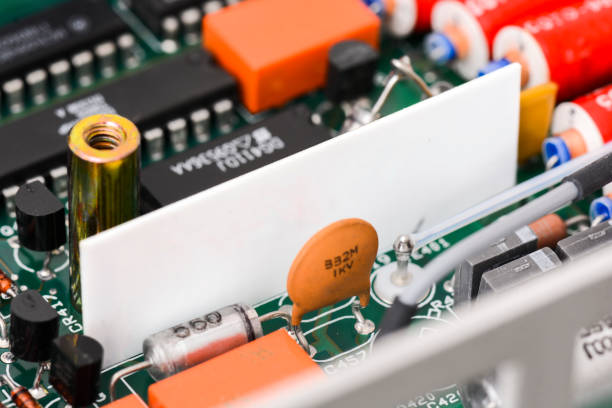
The TG value directly influences the mechanical stability of PCBs under different temperature environments.
A High TG PCB maintains better rigidity and structural stability when operating near high-temperature conditions. This makes it suitable for applications exposed to continuous heat or temperature fluctuations.
High TG PCB Improves Structural Reliability
For example, automotive engine compartments, industrial heating equipment, and power systems often operate in high-temperature environments.
If a PCB with a low TG value is used in these applications, prolonged heat exposure may cause the substrate to soften and deform. This can lead to:
- PCB warping
- Broken copper traces
- Component detachment
- Equipment malfunction
By contrast, high TG materials maintain better dimensional stability and mechanical strength, reducing the risk of thermal-related failures.
For advanced applications requiring stronger structural performance, engineers often combine high TG materials with Multilayer PCB designs to achieve better reliability, higher integration, and improved electrical performance.
When Low TG PCB Materials Are Suitable
Not every application requires the highest possible TG value.
For standard electronic products operating under normal temperature conditions, lower TG materials may provide sufficient performance while reducing material costs.
Therefore, selecting the correct TG value should always be based on actual application requirements rather than simply choosing the highest specification available./
3. Influence of TG Value on PCB Electrical Performance
In addition to mechanical properties, PCB TG value also affects electrical performance, especially insulation reliability and signal transmission stability.
When PCB operating temperatures approach the TG value, the substrate’s electrical characteristics may gradually decline.
Maintaining Insulation Performance at High Temperatures
For PCBs with lower TG values, high-temperature operation may reduce insulation resistance between circuits.
This can increase the risk of:
- Current leakage
- Signal interference
- Electrical instability
- Short circuits
In communication equipment, servers, and high-performance electronic systems, stable signal transmission is essential.
These devices often generate significant internal heat during operation. If the PCB material cannot maintain stable insulation performance, signal accuracy and system reliability may be affected.
Using high TG materials helps maintain consistent electrical characteristics even under elevated temperatures.
For industries requiring advanced circuit reliability, choosing a professional PCB supplier with strong material selection capabilities is critical for achieving stable product performance.
4. Relationship Between TG Value and Product Lifespan
The selection of PCB TG value is closely related to the long-term service life of electronic products.
During extended operation, electronic devices may experience repeated temperature changes. If the PCB TG value is too low, frequent thermal cycling may cause the substrate to repeatedly expand and contract, accelerating material aging.
Over time, this may result in:
- Reduced mechanical strength
- Cracked materials
- Degraded electrical performance
- Shortened product lifespan
High TG Materials Improve Long-Term Reliability
Outdoor electronic equipment is a typical example.
Such products may experience:
- Large temperature differences between day and night
- Summer heat exposure
- Winter cold conditions
A low TG PCB may gradually deteriorate under repeated thermal stress, causing failures after several years of operation.
A higher TG PCB provides stronger resistance to temperature fluctuations, slows material aging, and supports longer product life.
This is especially important for:
- Industrial control systems
- Automotive electronics
- Energy equipment
- Outdoor communication devices
5. How to Choose the Right PCB TG Value
Choosing the correct TG value requires consideration of the actual application environment rather than simply selecting the highest value.
High TG PCB Applications
High TG materials are recommended for products exposed to:
- High operating temperatures
- Frequent thermal cycling
- Heavy power loads
- Strict reliability requirements
Typical applications include:
- Automotive electronics
- Industrial equipment
- Power control systems
- Communication infrastructure
Standard TG PCB Applications
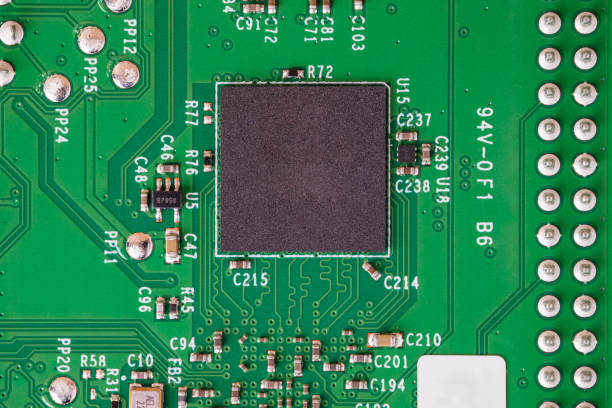
For products operating in stable room-temperature environments, standard TG materials may provide sufficient performance.
These materials can help control manufacturing costs while meeting product reliability requirements.
Consider Heat Dissipation Conditions
Thermal management should also be considered during material selection.
Even if a product operates in a normal external environment, internal temperatures may rise significantly due to:
- Dense component layouts
- High power consumption
- Limited airflow
In such cases, selecting a PCB with a higher TG value may prevent thermal damage and improve product reliability.
6. TG Value Selection Requires Comprehensive Evaluation
Although TG value is only one PCB material parameter, it has a significant impact on mechanical stability, electrical performance, and product lifespan.
It is not a case of “higher is always better.” Instead, engineers should evaluate:
- Operating temperature range
- Product application environment
- Heat dissipation conditions
- Reliability requirements
- Expected service life
A professional manufacturer can help customers select suitable materials and manufacturing processes based on specific product requirements.
Through proper PCB material selection, companies can achieve the right balance between performance, reliability, and cost.
Conclusion
PCB TG value is a critical factor that determines how well a circuit board performs under different temperature conditions.
It affects PCB mechanical strength, electrical insulation, signal stability, and long-term durability. Choosing an appropriate TG value helps ensure that electronic products remain reliable in demanding environments.
Whether developing automotive systems, industrial equipment, communication products, or high-performance electronics, selecting suitable PCB materials is essential.
By working with experienced manufacturers that provide advanced PCB manufacturing services, companies can achieve optimized PCB solutions with improved reliability, longer service life, and better overall product performance.