High‑Frequency PCB Price Guide for Mobile Devices (2025 Cost Breakdown)
Posted: November 29, 2025 | by gopcb
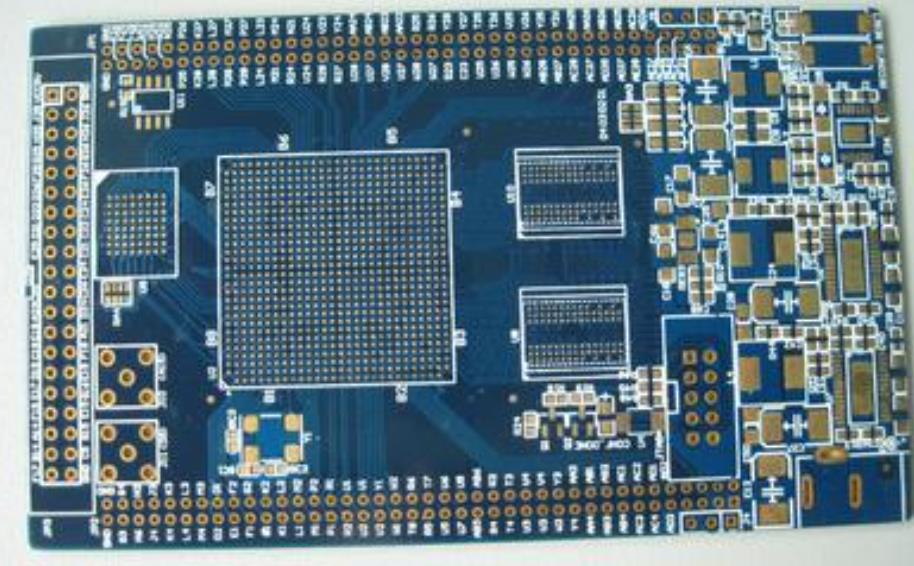
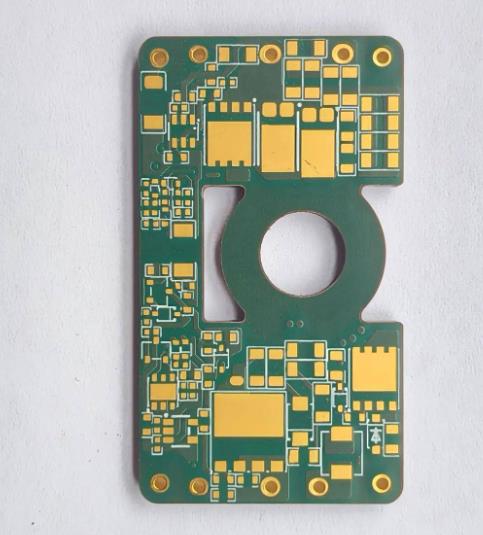
High‑frequency PCBs have become the core component in modern mobile smart devices, especially in 5G smartphones, tablets, wearables, and wireless communication modules. Unlike standard PCBs, high‑frequency boards enable high‑speed signal transmission, low loss, and strict impedance control — but their manufacturing cost is significantly higher due to complex materials, processes, and RF design requirements.
This article provides an in‑depth analysis of high‑frequency PCB pricing for mobile devices, including real‑world 2025 price ranges, cost drivers, material comparisons, and industry use cases. We also highlight gopcb’s manufacturing capabilities and competitive pricing.
1. What is a High‑Frequency PCB for Mobile Devices?
High‑frequency PCBs are designed for signal applications in the 500 MHz – 2.4 GHz range, commonly used in telecom and high‑speed RF equipment. Typical applications include:
- 5G communication modules
- Wi‑Fi and Bluetooth modules
- RF antennas, power amplifiers, and filter circuits
- Mobile data and communication systems
- Wearable terminals
These PCBs often use materials such as Rogers, PTFE, or low‑loss polyimide instead of standard FR‑4 to ensure stable dielectric constant and low loss.
2. Core Factors Affecting High‑Frequency PCB Price
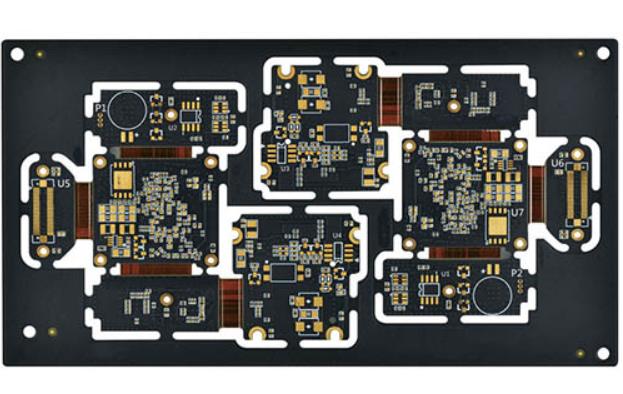
The cost of high‑frequency PCBs depends on several engineering variables, including:
- Base material and dielectric type
- Layer count and stack‑up structure
- RF routing complexity
- Impedance tolerance requirements
- Yield rate and reliability testing
- Expedited prototyping needs
Most mobile‑device high‑frequency PCBs are HDI boards with fine micro‑vias and strict impedance control, which drives up manufacturing costs.
3. Cost Structure of High‑Frequency PCBs (2025 Price Data)
Typical cost breakdown:
- Materials: 30–45%
- Stack‑up / lamination: 15–25%
- HDI processes: 10–20%
- Testing: 5–10%
- Labor & yield: 10–15%
Reference prices for 2025:
$0.08–$0.25 / cm²
Mobile high‑frequency PCB unit price: $30–$120 (heavily influenced by material and RF design complexity).
4. Material Price Comparison for High‑Frequency PCBs
Material costs vary significantly:
- Rogers 5880/4350: $90–$220 / m²
- PTFE: $120–$260 / m²
- Polyimide: $60–$160 / m²
- FR‑4 hybrid stack‑up: $30–$80 / m²
Recommendation: Rogers/PTFE for ultra‑high frequency; FR‑4 + high‑frequency hybrid offers the best cost‑performance balance.
5. Price Ranges by Mobile Device Type
- Smartphones: $15–$40
- Smartwatches: $15–$40
- Wearables: $10–$50
- IoT handheld devices: $25–$70
- 5G modules: $40–$110
Most of these use 4–16 layer HDI with micro‑vias and shielding structures, adding to the cost.
6. How to Reduce High‑Frequency PCB Cost (Without Sacrificing Performance)
Common optimisation strategies include:
- Hybrid stack‑up design
- Routing and impedance optimisation
- Reducing HDI layer count
- Alternative material selection (e.g., polyimide instead of PTFE)
- Collaborating with an experienced PCB manufacturer early in the design phase
Professional engineering support can significantly lower overall BOM cost. Explore our PCB design & layout services for expert guidance.
7. Price Difference: High‑Frequency PCB vs. Standard PCB
High‑frequency PCBs typically cost 2–4 times more than standard boards due to:
- Tighter dielectric constant and loss control
- Laser drilling and micro‑via fabrication
- High‑frequency routing rules
- Shielding, testing, and impedance matching overhead
8. Manufacturing Technology Requirements
Typical capabilities for high‑frequency mobile PCBs:
- Minimum trace width: 0.05–0.1 mm
- HDI architecture: 1+N+1 / 2+N+2
- Impedance control: ±5%
- Micro‑vias, blind/buried vias
- Multiple lamination cycles
These directly determine RF performance and signal integrity in mobile devices.
9. How to Choose a High‑Frequency PCB Supplier
A reliable supplier must offer:
- RF engineering expertise
- Advanced material stock (Rogers, PTFE, Isola, etc.)
- Quality certifications and rigorous testing
- Both prototyping and volume production capabilities
- Quick turnaround (3–10 days)
Learn more about our PCB manufacturing services to see how we meet these demands.
10. Application Scenarios in Smartphones & 5G Devices
High‑frequency PCBs are widely used in:
- 5G antenna modules
- GPS and communication modules
- RF front‑end circuits
- Baseband and processor motherboards
These applications demand extremely low signal attenuation and high frequency stability.
11. gopcb’s Pricing and Manufacturing Capabilities
As a specialised high‑frequency PCB manufacturer, gopcb offers:
- Rogers, PTFE, polyimide, and hybrid stack‑up solutions
- High‑layer HDI production capability
- Prototype + volume production support
- 3–5 day rapid delivery options
Typical pricing from gopcb: $30–$120 per board (depending on material and complexity). We also provide OEM support, volume discounts, and free engineering evaluation.
Explore our assembly options to match your needs: prototype assembly, low‑volume assembly, and high‑volume assembly.
12. Conclusion
With the growth of 5G and high‑speed communications, high‑frequency PCB pricing has become a strategic concern for the mobile device industry. Material selection, supply chain, and RF engineering capabilities directly impact both cost and performance. To achieve the best balance between quality and cost, partnering with a specialised manufacturer like gopcb is the optimal approach — we help reduce costs while ensuring reliability.
13. FAQ
Q1: Are high‑frequency PCBs more expensive than standard PCBs?
Yes, typically 2–4 times more, due to materials and manufacturing processes.
Q2: What is the average price?
Approximately $30–$120 per board, depending on layer count and complexity.
Q3: Is Rogers material mandatory for 5G smartphones?
Not necessarily. Hybrid stack‑ups are often sufficient and more cost‑effective.
Q4: What is the biggest cost driver for high‑frequency PCBs?
Materials, manufacturing difficulty, impedance control, and engineering requirements.
— gopcb is your partner for high‑frequency PCB solutions. Visit our homepage or explore our turnkey assembly, SMT assembly, and flex PCB assembly services.