High Precision PCBA Cost: What Actually Drives the Price
A high precision pcba costs more than an ordinary assembly, and the reasons are traceable rather than mysterious. Micro-scale components, area array packages, HDI structures and strict reliability requirements each add process steps, equipment time and inspection. Understanding which of them applies to a given product is the difference between a competitive quotation and a budget that is spent on features the design does not need.
What Makes an Assembly High Precision
The definition is practical. An assembly qualifies when it carries components at pitches that demand fine placement accuracy, such as the smallest chip packages, when it uses area array devices whose joints cannot be seen, or when the board itself is an HDI construction with microvias and fine lines.
Reliability requirements are part of the definition as well. A board that must be traceable through its whole life and tested to a medical or aerospace standard is treated as high precision even if its geometry is unremarkable, because the process controls are the cost.
Design Complexity
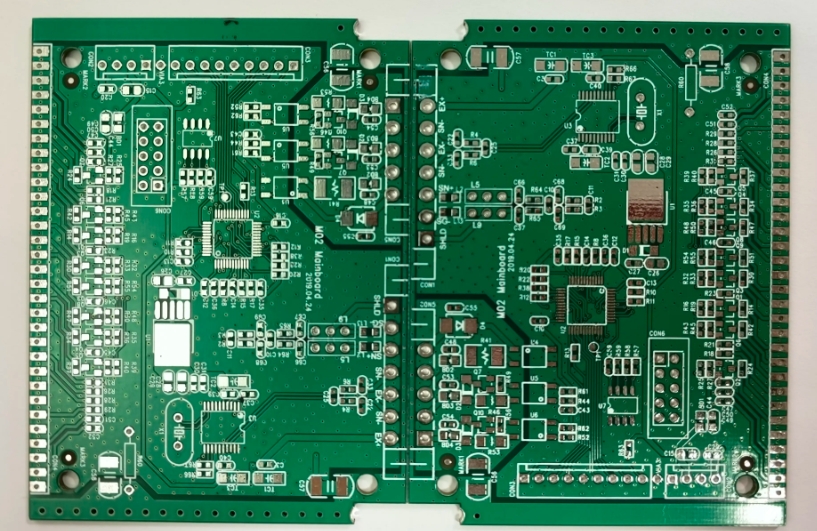
Complexity translates directly into process steps. An HDI stackup with stacked microvias and buried layers requires sequential lamination, more imaging and more inspection, and the accumulated registration tolerance narrows the window at every stage.
Fine pad geometry adds assembly difficulty on top of fabrication difficulty. The HDI construction and the pad design interact, and a design that pushes both at once can raise cost by a substantial margin compared with a design that relaxes one of them.
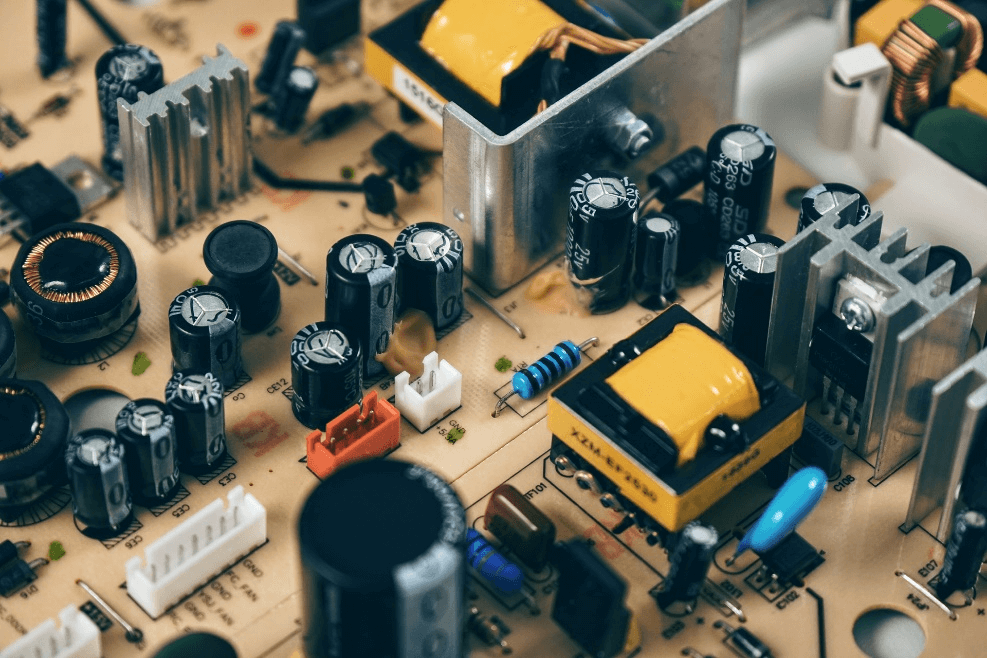
Material Selection
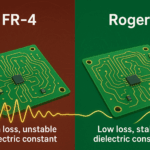
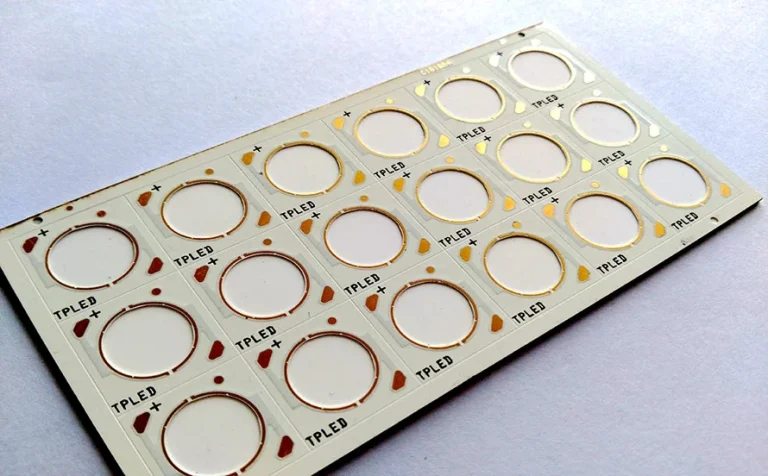
Standard FR-4 is inexpensive and adequate for most products. High frequency laminates, ceramic substrates and materials with very low expansion cost significantly more, and the premium is measured in dollars per square metre rather than percentages.
The material also affects processing. A laminate that requires special drilling parameters, a specific press profile or a controlled desmear cycle adds cost at every step of the via and stack process, long before assembly begins.
Components and Supply Conditions
The bill of materials typically dominates the total. Small package integrated circuits, high frequency devices and precision analogue parts are expensive in themselves, and their price moves with supply conditions rather than with the assembly process.
Component supply is the practical risk in this part of the budget. Allocation is the issue. When a part is constrained, the alternatives are a long lead time or an approved substitute at a higher price, and both change the quotation. Planning the supply position before the design is released usually costs less than reacting to a shortage.
Placement Accuracy and Equipment
Placing the smallest chip packages at production speed requires machines with vision alignment and positional accuracy in the tens of microns, together with feeders and nozzles that can handle the parts without damage.
That capability is not free. The cost per placement for genuinely fine work is a multiple of the cost for a standard 0402 or 0603 component, and the difference reflects the accuracy, the slower cycle and the higher scrap rate at the setup stage.
Inspection and Test Coverage
Inspection is the other major cost driver. Solder paste inspection after printing, optical inspection after reflow, X-ray for hidden joints and in-circuit or functional test at the end are all separate steps, and each has its own equipment time and programming cost.
Coverage should follow the risk. Testing every board to the highest level makes sense where a failure in the field is unacceptable, and it is wasteful where the product is inexpensive and the failure mode is benign, so the pad design and the test strategy should be decided together.
Production Volume
Volume changes the economics more than any other factor. Prototype quantities carry the full programming, stencil and setup cost on a small number of units, and the unit price can be several times the volume price for the same board.
Small batch production sits between the two, sharing setup across more units while still allowing design changes. Volume production has the lowest unit cost but the least tolerance for change, since a modification after tooling is expensive.
Special Processes
Underfill, conformal coating, selective soldering and cleanroom handling each add cost per board, and each is justified by a specific requirement rather than by a general desire for quality.
Their interaction matters as well. A coating applied before a selective soldering step has to survive the heat, and an underfill that must be cured adds a thermal cycle to everything already assembled, so the sequence has to be planned rather than added. The solder selection affects the same thermal budget.
Reliability Grade and Industry
Consumer products accept a lower grade of material and testing. Industrial products add margin, medical products add traceability and process validation, and aerospace and defence work adds environmental testing and documentation.
Each step up the ladder raises the cost by a defined margin, most of which is process control rather than hardware. That is why the grade should be chosen from the actual requirement rather than from a general preference for higher specification.
Reducing Cost Without Losing Quality
The most effective lever is the design itself. Relaxing a pad geometry, avoiding an unnecessary stackup complexity or standardising on a common component set reduces cost without affecting performance, and DFM review at the layout stage is where those opportunities are found.
The second lever is planning. Confirming supply, choosing a standard surface finish and fixing the test strategy before the build starts avoids the surcharges that come from late changes, and a stable order placed with one partner usually prices better than the same volume split across several.
Reading a Quotation
A quotation should separate the bare board, the components, the assembly labour and the test. When those elements are merged into a single figure, it is impossible to tell whether a change in price came from the laminate, a component or a process step.
Comparison between suppliers is only meaningful on the same basis. One quote that includes inspection and another that does not are not comparable, and the cheaper figure may simply contain less coverage.
Where Cost Can Be Removed Later
Cost reduction after the first build usually comes from the component list rather than the process. Reviewing whether a part can be replaced by a common alternative, or whether a tolerance that is not needed is being paid for, often produces more than any negotiation on labour.
The process side offers its own opportunities. Consolidating several small orders, allowing a standard production schedule instead of a rush, and removing a test step that duplicates another all reduce the total, provided the reliability requirement is still met.
FAQ
Why is prototype PCBA so much more expensive per board? Because the programming, stencils and setup are spread over very few units. The process itself is similar to volume production; the allocation of fixed cost is what differs.
Does an HDI board always cost more to assemble? It adds process steps, but the assembly premium comes mainly from the component mix and the inspection requirement rather than from the board construction alone.
What is the single biggest cost in a high precision PCBA? The components. Material and assembly both matter, but the bill of materials usually dominates, and its volatility is the hardest element to control.