High Temperature PCB Manufacturing Process: Complete Guide from Material Selection to Final Testing
With the rapid development of new energy vehicles, aerospace, industrial automation, petroleum exploration, military equipment, and high-power power supplies, electronic devices are increasingly required to operate stably for extended periods in high-temperature environments ranging from 150°C to over 300°C. Traditional FR4 circuit boards, limited by their thermal performance, can no longer meet these demanding applications. As a result, high-temperature PCBs have become an essential foundation for high-reliability electronic products.
High-temperature PCBs not only require substrate materials with higher glass transition temperatures (Tg) but also demand stricter lamination, drilling, plating, and reliability testing during manufacturing to ensure stable mechanical strength and electrical performance under high temperature, thermal cycling, and long-term load conditions.
This article provides a comprehensive analysis of the high-temperature PCB manufacturing process, helping engineers, procurement professionals, and product development teams gain a deep understanding of how high-temperature PCBs are produced.
1. What is High Temperature PCB?
A high-temperature PCB is a printed circuit board manufactured with heat-resistant substrate materials and designed to operate reliably in sustained high-temperature environments.
Compared to standard FR4 PCBs, high-temperature PCBs offer the following advantages:
- Higher glass transition temperature (High Tg)
- Lower coefficient of thermal expansion (CTE)
- Superior thermal conductivity
- More stable insulation performance
- Enhanced thermal cycling resistance
- Extended product lifespan
Depending on the material, typical operating temperatures for high-temperature PCBs are as follows:
- 150°C – 180°C: High Tg FR4 PCB
- 200°C – 260°C: Polyimide PCB
- 300°C+: Ceramic PCB
2. Why Can’t Ordinary PCBs Meet High Temperature Applications?
Standard FR4 materials begin to soften as they approach their glass transition temperature, causing a rapid decline in material properties.
Long-term high-temperature operation can lead to:
- Delamination
- Copper foil cracking
- Fatigue failure of plated through-holes
- Resin carbonization and aging
- Increased leakage current
- Reduced solder joint reliability
- Premature circuit board failure
For high-reliability products in aerospace, automotive electronics, and industrial control, these issues directly impact overall system lifespan, making professional high-temperature PCB solutions essential.
3. Common Materials for High Temperature PCB
3.1 High Tg FR4
High Tg FR4 is an enhanced version of traditional FR4 material, suitable for automotive control systems, industrial power supplies, motor drives, and communication equipment.
Key advantages include lower cost, mature processing technology, stable manufacturing, and compatibility with standard PCB processes. Typical Tg values range from 170°C to 180°C.
For professional PCB manufacturing solutions, gopcb offers reliable high Tg FR4 capabilities.
3.2 Polyimide Materials
Polyimide is one of the most widely used high-temperature PCB materials, offering continuous heat resistance above 250°C, excellent chemical resistance, high mechanical strength, good flexibility, and an extremely low coefficient of thermal expansion.
It is widely applied in aerospace equipment, military electronics, petroleum logging devices, and flexible PCBs.
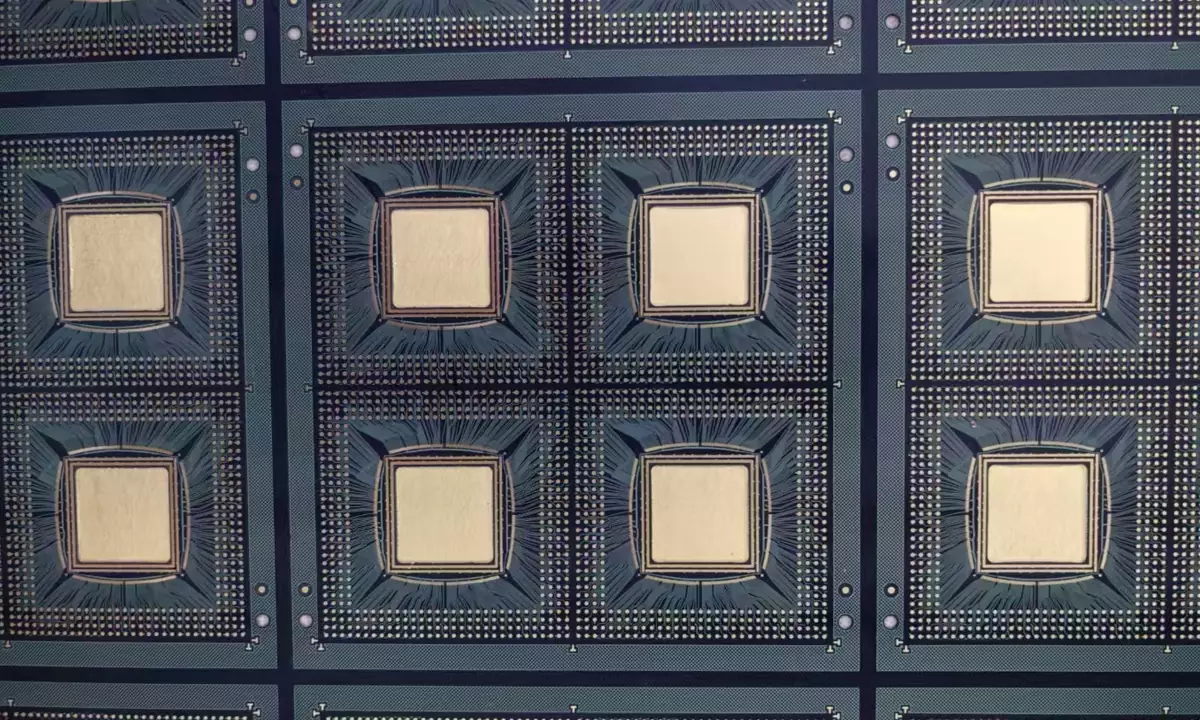
3.3 Ceramic PCB Materials
Common ceramic substrates include Aluminum Nitride (AlN), Alumina (Al₂O₃), and Silicon Nitride (Si₃N₄). Key advantages include thermal conductivity up to 170 W/m·K, excellent electrical insulation, no resin aging issues, and long-term stability above 300°C.
Ceramic PCBs are particularly suited for power modules, LED lighting, new energy vehicles, and high-frequency microwave devices.
4. Complete Manufacturing Process of High Temperature PCB
Step 1: Design for Manufacturing (DFM) Review
Every high-temperature PCB project begins with a detailed engineering review covering layer count, stack-up design, impedance control, copper thickness, thermal management analysis, via structure, and operating temperature assessment. A well-executed DFM review significantly improves yield and product reliability.
Step 2: High Temperature Material Preparation
Based on the application environment, suitable heat-resistant materials are selected, such as High Tg FR4, polyimide laminates, Rogers high-frequency heat-resistant materials, or ceramic substrates. Pre-baking is typically performed to remove moisture and prevent bubbles or delamination during lamination.
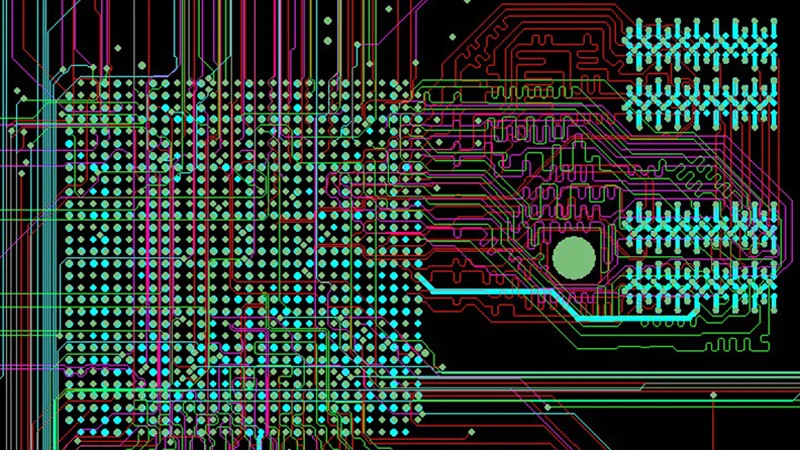
Step 3: Inner Layer Circuit Formation
After applying photosensitive film to the copper-clad laminate, LDI (Laser Direct Imaging) technology is used to form circuit patterns. Compared to traditional exposure methods, LDI offers higher precision, better alignment, and lower defect rates, making it ideal for HDI and high-density PCBs.
Step 4: Inner Layer Etching
Chemical etching removes excess copper foil, retaining only the designed circuits including signal lines, power planes, and ground planes. High-temperature PCBs used in high-current and high-frequency applications demand tighter etching precision.
Step 5: Automated Optical Inspection (AOI)
AOI systems inspect line width, opens, shorts, copper voids, and pattern偏移 to ensure each layer meets design specifications before lamination.
Step 6: Multilayer Lamination
Lamination is one of the most critical steps in high-temperature PCB manufacturing. The process requires precise control of temperature, pressure curves, vacuum environment, resin flow, heating rate, and cooling rate. Improper control can result in delamination, voids, resin starvation, or warpage. High-temperature PCBs typically use longer and more precise lamination parameters.
Step 7: Mechanical or Laser Drilling
Based on the PCB structure, through-holes, blind vias, buried vias, and microvias are drilled. Polyimide and ceramic materials are harder, requiring optimized drilling parameters to prevent hole wall damage.
Step 8: Hole Metallization and Plating
Electroless copper deposition creates a conductive layer, followed by electroplating to increase copper thickness. This establishes stable conductive paths, improves mechanical bonding, and enhances thermal cycling resistance. Hole copper thickness is typically controlled at 20–25 μm or higher for high-reliability applications.
Step 9: Outer Layer Circuit Formation
The outer layer circuits undergo pattern transfer, pattern plating, tin protection, and outer layer etching to form the complete PCB circuit structure.
Step 10: Solder Mask Printing
High-temperature PCBs typically use heat-resistant solder mask inks to enhance thermal performance. Common colors include green, black, blue, and white. High-heat-resistant epoxy systems are often used in industrial applications.
Step 11: Surface Finish
Different surface finishes directly impact solderability and long-term reliability:
- ENIG (Electroless Nickel Immersion Gold): Excellent solderability, flat surface, strong corrosion resistance, preferred for BGA packages.
- Hard Gold: Suitable for gold fingers and high-frequency插拔 interfaces, offering excellent wear resistance.
- Immersion Silver: Superior conductivity, good high-frequency performance, low signal loss, ideal for high-speed communication products.
- OSP (Organic Solderability Preservative): Low cost, environmentally friendly, suitable for consumer electronics.
5. Electrical Testing
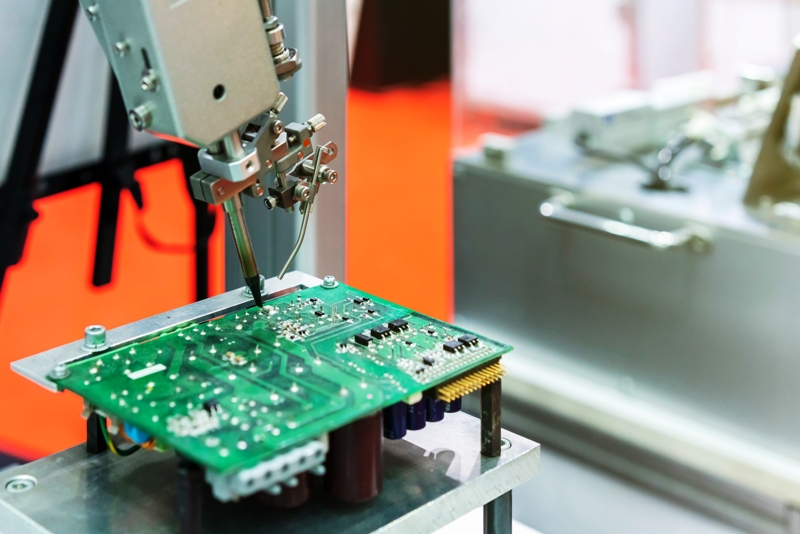
All high-temperature PCBs undergo 100% electrical testing before shipment, including flying probe testing, fixture testing, continuity testing, and insulation testing to ensure each board matches the Gerber design data.
For comprehensive SMT PCB assembly services, gopcb provides rigorous electrical testing as part of its quality assurance process.
6. High Temperature PCB Reliability Testing
Compared to standard PCBs, high-temperature PCBs require more stringent reliability validation, including:
- Thermal Cycling Test
- Thermal Shock Test
- High Temperature Storage (HTS) Test
- Floating Solder Test
- Peel Strength Test
- Metallographic Cross-Section Analysis
- X-Ray Inspection
- Microsection Analysis
These tests effectively verify the reliability and service life of PCBs in long-term high-temperature environments.
7. Technical Challenges in High Temperature PCB Manufacturing
High-temperature PCB manufacturing involves multiple critical process control points, including resin flow control during lamination, thermal expansion control, warpage control, through-hole reliability, ceramic material processing, dimensional stability, and moisture absorption control. Experienced manufacturers with advanced equipment and mature processes can significantly reduce these manufacturing risks.
8. Application Fields of High Temperature PCB
High-temperature PCBs are widely used in aerospace electronic systems, new energy vehicle controllers, battery management systems (BMS), industrial automation equipment, wind and photovoltaic inverters, oil and gas exploration equipment, military electronics, medical imaging devices, high-power power supplies, and rail transit control systems.
For prototype PCB assembly and low-volume production, gopcb supports a wide range of high-temperature applications across these industries.
9. Why Choose gopcb for High Temperature PCB Manufacturing?
As a professional PCB manufacturer, gopcb specializes in high-reliability PCB R&D and manufacturing, offering complete high-temperature PCB solutions to customers worldwide.
Our manufacturing capabilities include:
- High Tg Multilayer PCBs
- Polyimide PCBs
- Ceramic PCBs
- Heavy Copper PCBs
- High-Frequency High-Speed PCBs
- HDI High-Density Interconnect PCBs
- Controlled Impedance PCBs
- Blind and Buried Via PCBs
- Quick Turn Prototyping and Volume Production
- IPC Standard Quality Management System
- Global Fast Delivery Services
With extensive engineering experience, advanced production equipment, and a rigorous quality control system, gopcb helps customers develop high-reliability PCB products for high-temperature, high-power, and harsh environments.
Explore our turnkey PCB assembly services for complete end-to-end manufacturing solutions.
10. Frequently Asked Questions (FAQ)
Q1: What is the maximum temperature a high-temperature PCB can withstand?
Different materials offer varying temperature resistance. High Tg FR4 is suitable for 150°C–180°C, polyimide PCBs can operate long-term at around 250°C, and ceramic PCBs maintain stable performance above 300°C.
Q2: Which material is best for high-temperature PCBs?
Selection should be based on the actual application:
- High Tg FR4: Cost-effective, suitable for industrial control and automotive electronics.
- Polyimide: Ideal for aerospace, military, and flexible circuits.
- Ceramic PCB: Best for high-power, high-thermal-conductivity, and extreme high-temperature environments.
Q3: Are high-temperature PCBs more expensive than standard PCBs?
Yes. The higher cost of heat-resistant materials, more complex manufacturing processes, and stricter reliability testing make high-temperature PCBs generally more expensive than standard FR4 PCBs.
Q4: Can high-temperature PCBs be made as multilayer boards?
Absolutely. High-temperature PCBs can support 2-layer to 30+ layer structures, combined with HDI, blind/buried vias, controlled impedance, and high-density interconnect designs to meet complex electronic system requirements.
11. Conclusion
High-temperature PCB manufacturing is not merely about using heat-resistant materials; it encompasses a complete production ecosystem covering material selection, engineering design, circuit fabrication, lamination, precision drilling, hole metallization, plating, solder mask, surface finish, electrical testing, and reliability validation. Every step directly impacts the stability and lifespan of the PCB in high-temperature, high-humidity, high-power, and long-term thermal cycling environments.
For high-reliability industries such as aerospace, new energy vehicles, industrial control, power electronics, and medical equipment, choosing a PCB manufacturer with mature processes and extensive experience is critical. gopcb, with its comprehensive high-temperature PCB manufacturing capabilities, strict IPC quality standards, and rich project experience, provides one-stop high-temperature PCB manufacturing services from quick-turn prototyping to volume production, helping products achieve higher reliability and longer service life in extreme environments.
Discover our high-volume PCB assembly capabilities for large-scale production needs.