



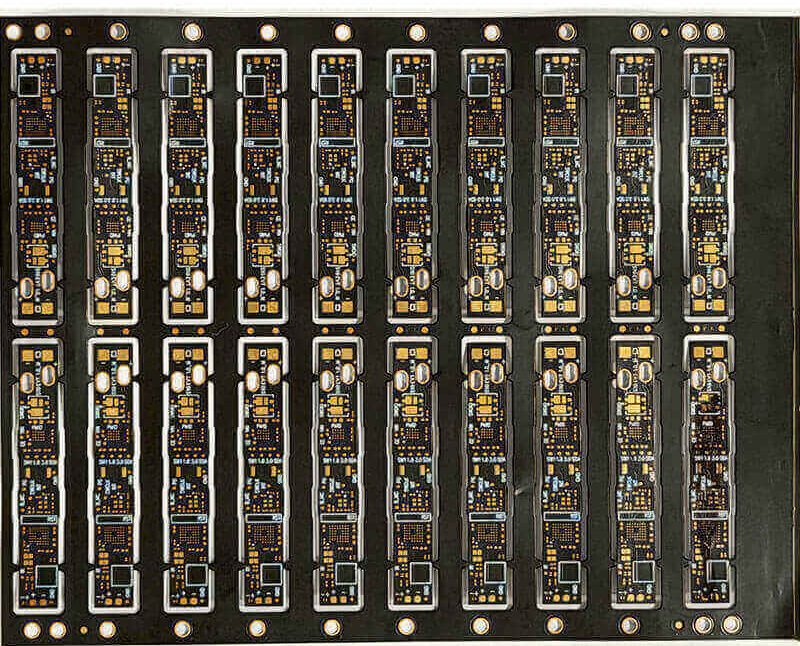
Quick Turn PCB Assembly
Fully Assembled PCBs in as Little as 24 Hours
When your electronic product development depends on a tight deadline, waiting weeks for PCB assembly can delay testing, validation, and market launch. Quick turn PCB assembly provides a faster way to move from PCB design to a fully assembled and tested PCBA.
GOPCBA provides rapid PCB assembly services for prototypes, low-volume production, and production projects that require short lead times. Depending on component availability, PCB complexity, assembly requirements, and order quantity, PCB assemblies can be delivered in as little as 8–48 hours when components are ready.
Our PCB assembly capabilities include SMT assembly, through-hole assembly, mixed technology assembly, BGA assembly, component sourcing, inspection, testing, and turnkey manufacturing.
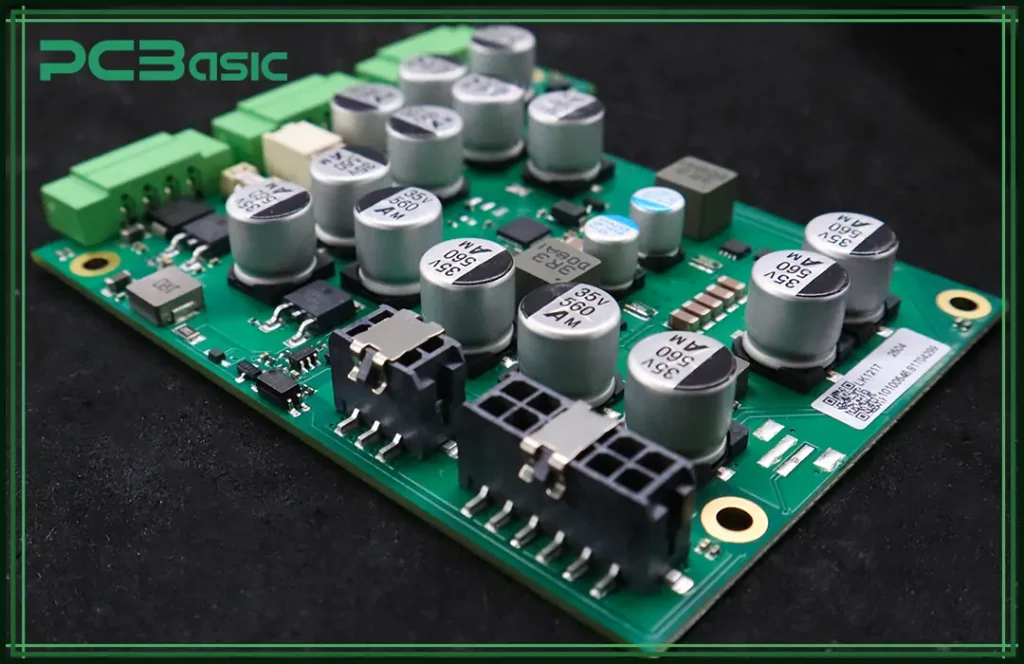
- Rapid PCB assembly for prototypes and low-volume production
- SMT, THT, and mixed technology assembly
- Partial turnkey and full turnkey PCB assembly
- Component sourcing and procurement
- Comprehensive inspection and testing
- No minimum order requirement
- Fast engineering and technical support
What Is Quick Turn PCB Assembly?
PCB assembly is the process of mounting electronic components onto a printed circuit board to create a functional PCBA. As demand for faster electronics development continues to increase, manufacturers increasingly require PCB assembly suppliers that can shorten production lead times without compromising quality.
Quick turn PCB assembly refers to a manufacturing process designed to complete PCB assembly within a significantly shorter timeframe than conventional production.
Traditional PCB assembly can take several days or longer depending on the PCB design, component availability, assembly technology, and production volume. A quick turn service compresses the manufacturing schedule by coordinating engineering review, material preparation, assembly, inspection, and testing more efficiently.
Quick turn PCB assembly is particularly valuable for:
- New product development
- PCB prototypes
- Engineering validation
- Functional testing
- Product revisions
- Low-volume production
- Urgent replacement boards
- Time-sensitive product launches
What Affects PCB Assembly Lead Time?
Several factors can directly affect quick turn PCB assembly lead time:
- PCB layer count
- PCB thickness and construction
- Board size and layout complexity
- Component quantity
- Component package types
- BGA and fine-pitch components
- SMT and through-hole requirements
- Component availability
- Testing requirements
- Order quantity
Having complete manufacturing files and readily available components can significantly reduce production time.
Quick Turn PCB Assembly Services
GOPCBA provides flexible PCB assembly options to accommodate different project requirements. Customers can supply all components, provide partial components, or request a complete turnkey solution that includes PCB fabrication, component sourcing, assembly, inspection, and testing.
Consigned PCB Assembly
With consigned or kitted PCB assembly, customers provide the PCB boards and required components. The manufacturer handles the assembly process according to the approved BOM, Gerber files, and assembly documentation.
This option is suitable when customers already have established component suppliers or inventory.
Partial Turnkey PCB Assembly
For partial turnkey assembly, customers provide selected components while the manufacturer sources the remaining parts.
This approach provides greater flexibility when customers have preferred components or existing inventory while reducing the procurement workload.
Full Turnkey PCB Assembly
Full turnkey PCB assembly covers the complete manufacturing process, including PCB fabrication, component sourcing, SMT/THT assembly, inspection, testing, and final delivery.
This one-stop model simplifies supply chain management and reduces the number of suppliers involved in a project.
Why Choose GOPCBA for Quick Turn PCB Assembly?
1. Fast Turnaround and Manufacturing Experience
Rapid PCB assembly requires more than fast machines. It requires coordinated engineering, procurement, production, inspection, and logistics.
GOPCBA integrates PCB manufacturing, component procurement, PCB assembly, and testing into a one-stop manufacturing process. This integrated workflow helps reduce unnecessary delays between production stages.
For projects with components ready, GOPCBA supports quick-turn PCB assembly with delivery times ranging from approximately 8 to 48 hours, depending on project requirements.
2. Professional Engineering Team
Engineering support is essential when a PCB needs to be assembled quickly.
Before production, engineers can review manufacturing files, BOMs, Gerber data, and assembly requirements to identify potential manufacturing issues. DFM and DFA support can help prevent avoidable production problems and reduce the need for costly rework or repeated prototypes.
GOPCBA provides technical support from PCB design and manufacturing through assembly and final testing.
3. Flexible PCB Assembly Capabilities
Different electronic products require different assembly technologies.
GOPCBA supports:
- SMT PCB assembly
- Through-hole assembly
- Mixed technology assembly
- BGA assembly
- Prototype PCB assembly
- Low-volume PCB assembly
- High-volume PCB assembly
- Flex PCB assembly
- Box build assembly
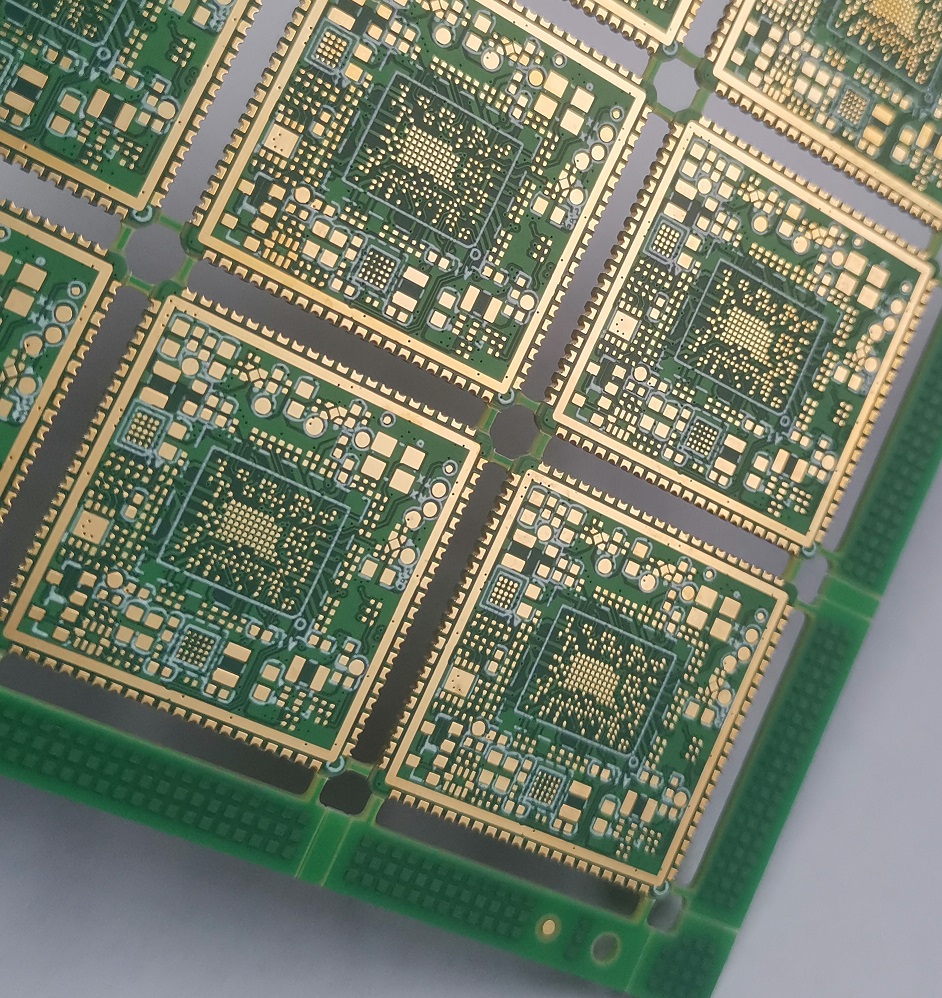
The assembly process can accommodate component packages including BGA, LGA, PQFN, and 01005 components.
4. Component Sourcing Support
Component availability is one of the most important factors affecting rapid PCB assembly.
GOPCBA provides component procurement services through established supply channels. This helps customers reduce procurement complexity while improving material availability, cost control, and production coordination.
5. Comprehensive Quality Control
Fast production should never come at the expense of PCB assembly quality.
GOPCBA integrates inspection and testing throughout the manufacturing process. Depending on project requirements, inspection and testing can include solder paste inspection, AOI, X-ray inspection, first article inspection, in-circuit testing, and functional testing.
Quality management is supported by ISO9001, ISO13485, and IATF16949 quality management system certifications.
Benefits of Quick Turn PCB Assembly
Quick turn PCB assembly provides several advantages for electronics manufacturers and product development teams.
Faster Product Development
Shorter assembly lead times allow engineering teams to receive physical boards sooner for functional testing and validation.
Instead of waiting several weeks for a prototype, a rapid assembly process can significantly shorten the development cycle.
Faster Time to Market
Reducing PCB assembly lead time helps companies complete product validation sooner and move toward production more quickly.
This is particularly important for products with strict launch schedules or rapidly changing market requirements.
Lower Development Risk
Rapid prototype assembly allows engineers to identify design and manufacturing problems earlier.
Problems related to component placement, soldering, PCB layout, component selection, or mechanical integration can be discovered before full-scale production.
Flexible Production
Quick turn PCB assembly is suitable for both prototype quantities and low-volume production.
It allows manufacturers to produce a small number of boards for testing before committing to larger production volumes.
Better Cost Control
Fast prototype development can reduce the financial impact of repeated design iterations by allowing engineering teams to identify problems earlier.
A well-planned DFM process can also reduce material waste, rework, and unnecessary production cycles.
Common Challenges in Quick Turn PCB Assembly
Although rapid PCB assembly offers significant advantages, shortening production time also introduces several challenges.
Component Availability
Component shortages are one of the most common causes of PCB assembly delays.
A PCBA BOM may contain dozens or hundreds of active and passive components. If even one critical component is unavailable, production may be delayed.
To reduce this risk, manufacturers can:
- Verify component availability before production
- Use authorized component suppliers
- Identify approved alternative components
- Maintain appropriate inventory levels
- Confirm component lifecycle status
- Review the BOM before production
Early component verification is especially important for urgent PCB assembly projects.
Tight Production Schedules
A quick-turn project requires every stage of the manufacturing process to be coordinated.
Engineering review, PCB fabrication, component sourcing, SMT programming, assembly, inspection, testing, packaging, and shipping must be scheduled carefully.
A delay at any stage can affect the final delivery date.
Cost Control
Rapid production does not automatically mean lower production costs.
Expedited material procurement, special production scheduling, prototype tooling, testing requirements, and shipping can increase project costs.
A detailed quotation should therefore identify PCB fabrication, components, assembly, testing, tooling, and logistics costs separately.
Quality and Defect Control
Shorter lead times must not reduce quality standards.
A reliable quick-turn PCB assembly process should maintain strict process control while moving quickly through production.
DFM review, solder paste inspection, AOI, X-ray inspection, electrical testing, and functional testing can help identify defects before final delivery.
How Much Does Quick Turn PCB Assembly Cost?
The cost of quick turn PCB assembly depends on several factors rather than simply the assembly time.
Important cost factors include:
- PCB size and layer count
- PCB material
- PCB quantity
- Component quantity
- Component package types
- Component sourcing method
- SMT and THT requirements
- BGA assembly
- Testing requirements
- Prototype or production volume
- Expedited manufacturing requirements
- Shipping method
For the most accurate quotation, provide the PCB Gerber files, BOM, pick-and-place files, assembly drawings, required quantity, and testing requirements.
What to Consider When Choosing a Quick Turn PCB Assembly Manufacturer
Choosing the right PCB assembly supplier is critical when delivery time is a major project requirement.
Delivery Time
The supplier should provide a clearly defined production schedule rather than simply promising “fast delivery.”
The quoted lead time should account for:
- Engineering review
- Component availability
- PCB fabrication
- Assembly
- Inspection
- Testing
- Packaging
- Shipping
A transparent schedule makes it easier to manage project milestones.
Quality Management
Fast turnaround should always be supported by a reliable quality management system.
Look for a manufacturer with appropriate quality certifications, documented inspection procedures, traceability, and testing capabilities.
GOPCBA supports PCB assembly quality management through ISO9001, ISO13485, and IATF16949 systems.
Manufacturing Technology
A capable quick-turn PCB assembly manufacturer should have modern SMT equipment, automated production processes, and engineering support.
Advanced equipment is particularly important when working with:
- Fine-pitch components
- BGA packages
- 01005 components
- High-density PCB designs
- Mixed SMT/THT assemblies
- Complex multilayer boards
Engineering Support
Engineering support can have a direct impact on production speed.
An experienced supplier should be able to review BOMs and Gerber files, identify manufacturing risks, recommend solutions, and communicate quickly when problems arise.
GOPCBA provides DFM/DFA support as part of its one-stop PCBA manufacturing services.
Customer Service
Fast communication is just as important as fast manufacturing.
During urgent PCB projects, customers need quick answers about:
- Component availability
- DFM issues
- Production status
- Engineering changes
- Testing requirements
- Shipping schedules
A responsive sales and engineering team can prevent small issues from becoming major production delays.
Total Production Cost
Price should be evaluated together with lead time, quality, engineering support, component sourcing, and testing.
The lowest initial quotation is not always the lowest total project cost. A reliable supplier can help reduce hidden costs caused by delays, defects, repeated prototypes, and supply-chain problems.
What Are the Steps in Quick Turn PCB Assembly?
A reliable quick-turn PCBA process should follow a controlled workflow from engineering review to final delivery.
Step 1: DFM Review
The PCB design and manufacturing files are reviewed before production.
Typical files include:
- Gerber files
- BOM
- Pick-and-place files
- Assembly drawings
- Schematic files
- PCB layout files
- Special manufacturing instructions
The DFM review identifies potential manufacturing issues before the board enters production.
This may include checking component spacing, solder pads, component orientation, assembly clearances, PCB dimensions, and other manufacturing requirements.
Step 2: Prototype Assembly
For new products, prototype assembly is used to build an initial quantity of PCBAs for evaluation.
Engineers can test functionality, inspect solder quality, verify component placement, and identify potential design improvements.
Prototype PCB assembly helps reduce the risk of moving an unverified design directly into larger-scale production.
Step 3: Pre-Production
After prototype validation, a pre-production run can be used to confirm the manufacturing process.
The manufacturer verifies production programs, component preparation, assembly parameters, inspection procedures, and testing requirements.
This stage helps ensure that the process is ready for larger production quantities.
Step 4: Full Production
Once the design and manufacturing process are validated, the project can move into full production.
Depending on the project requirements, production may use automated SMT lines, through-hole assembly, mixed technology assembly, or other specialized processes.
Step 5: Inspection and Testing
The final stage is inspection and testing.
Typical PCB assembly quality-control methods include:
- Visual inspection
- Solder Paste Inspection
- AOI
- X-ray inspection
- In-Circuit Testing
- Functional Testing
- First Article Inspection
For functional testing, the test procedure can be based on customer-provided requirements and product specifications.
Quick Turn PCB Assembly for Prototypes and Low-Volume Production
Quick turn PCB assembly is particularly valuable when development teams need physical boards quickly.
Prototype and low-volume production allow companies to:
- Validate new circuit designs
- Test product functionality
- Identify manufacturing problems
- Complete engineering verification
- Collect field-testing data
- Prepare for larger production
GOPCBA supports PCB assembly from prototype development through production, allowing projects to transition between different production stages without changing manufacturing partners.
Quick Turn PCB Assembly vs. Standard PCB Assembly
The main difference between quick turn and standard PCB assembly is the production schedule.
| Factor | Quick Turn PCB Assembly | Standard PCB Assembly |
|---|---|---|
| Lead Time | Short | Longer |
| Primary Use | Prototypes, urgent projects, low-volume production | Planned production |
| Engineering Response | Fast | Standard |
| Component Procurement | Prioritized | Normal schedule |
| Production Planning | Accelerated | Conventional |
| Best For | Tight deadlines | Routine manufacturing |
Quick turn assembly is not simply about producing a PCB faster. It requires the entire supply chain and manufacturing workflow to be coordinated around the customer’s deadline.
Why GOPCBA for Rapid PCB Assembly?
GOPCBA provides a one-stop PCB manufacturing and assembly solution covering PCB fabrication, component sourcing, SMT/THT assembly, testing, and final product integration.
The company supports prototype, low-volume, and high-volume PCB assembly and provides turnkey, partial turnkey, and consigned assembly options.
Key advantages include:
- Rapid PCB assembly
- 8–48 hour delivery when components are ready
- No minimum order requirement
- SMT, THT, and mixed technology assembly
- BGA assembly with X-ray inspection
- 01005 component assembly capability
- Component sourcing
- DFM/DFA engineering support
- PCB fabrication and assembly under one supply chain
- Comprehensive inspection and testing
- Prototype through production support
For prototype projects, GOPCBA also provides PCB manufacturing, DFM review, component selection and procurement, prototype assembly, testing, and delivery as an integrated workflow.
Related PCB Manufacturing Services
If your project requires both bare PCB fabrication and assembly, you can also explore GOPCBA PCB Manufacturing Services for PCB fabrication capabilities, including prototype and volume production, multilayer PCB manufacturing, HDI, flexible PCB, rigid-flex PCB, and high-frequency PCB solutions.
For complete assembly requirements, visit GOPCBA PCB Assembly Services to review SMT, THT, mixed technology, component sourcing, testing, and box build assembly capabilities.
Conclusion
As electronic product development cycles become shorter, quick turn PCB assembly has become an important manufacturing solution for engineering teams, product developers, and electronics companies.
A reliable rapid PCB assembly supplier should provide more than a short production lead time. Engineering support, component availability, manufacturing technology, inspection, testing, quality management, and responsive communication are equally important.
By integrating PCB fabrication, component sourcing, assembly, inspection, and testing into one manufacturing workflow, GOPCBA helps customers reduce production delays and move electronic products from design to validated hardware more efficiently.
Whether you need a few prototype boards, low-volume production, or a scalable manufacturing solution, quick turn PCB assembly can help shorten development cycles while maintaining the quality and reliability required for modern electronic products.
Frequently Asked Questions About Quick Turn PCB Assembly
What is quick turn PCB assembly?
Quick turn PCB assembly is a PCB manufacturing and assembly service designed to deliver completed PCB assemblies in a significantly shorter timeframe than conventional production.
Why is quick PCB assembly important?
Rapid assembly allows engineering teams to receive prototype or production boards sooner, accelerating testing, validation, troubleshooting, and time to market.
Can you provide the components for PCB assembly?
Yes. A turnkey PCB assembly service can include component sourcing and procurement. Customers can also provide some or all of the components for consigned or partial turnkey assembly.
What happens to unused components?
Unused components can be handled according to the customer’s inventory and project requirements. They may be returned, stored, or managed according to an agreed material-handling process.
Do you support BGA assembly?
Yes. GOPCBA supports BGA assembly and X-ray inspection for BGA solder joints. Its published capabilities include BGA packages and components down to a 0.35 mm pitch.
Is quick turn PCB assembly suitable for prototypes?
Yes. Quick turn PCB assembly is particularly suitable for prototype development, engineering validation, and low-volume production where short lead times are important.
Do you provide turnkey PCB assembly?
Yes. Turnkey PCB assembly can include PCB fabrication, component procurement, assembly, inspection, testing, and final delivery.
What PCB assembly technologies do you support?
Common assembly technologies include SMT, through-hole assembly, mixed technology assembly, BGA assembly, and flexible PCB assembly.
What testing methods are available?
Depending on project requirements, testing and inspection may include visual inspection, SPI, AOI, X-ray inspection, in-circuit testing, functional testing, and first article inspection.
How can I request a quick turn PCB assembly quotation?
Provide your Gerber files, BOM, pick-and-place files, assembly drawings, required quantity, component information, and testing requirements. The manufacturing team can then review the project and provide a quotation and production schedule.
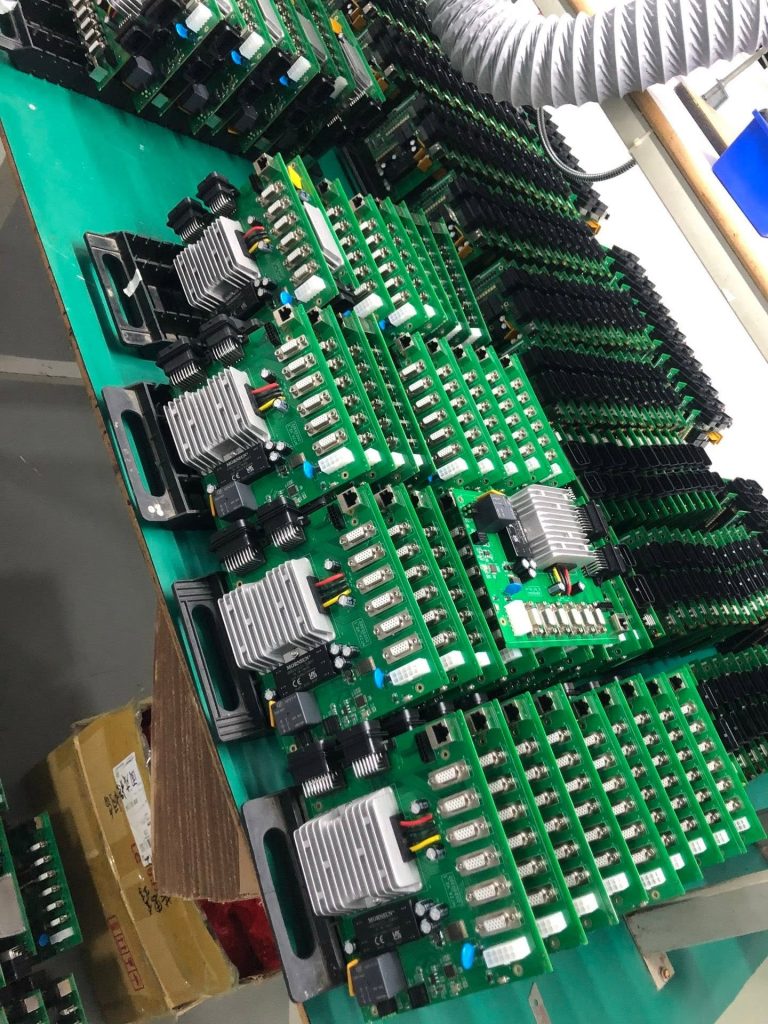
How can I reduce quick turn PCB assembly costs?
The most effective methods include optimizing the PCB design, completing DFM review early, selecting readily available components, reducing unnecessary design iterations, consolidating component sourcing, and choosing an appropriate production quantity.
What are the main challenges of quick turn PCB assembly?
The main challenges include component availability, tight production schedules, cost control, complex PCB designs, and maintaining consistent quality during accelerated production.
What are the benefits of quick turn PCB assembly?
The major benefits include faster product development, shorter time to market, earlier design validation, lower development risk, flexible low-volume production, and faster response to urgent manufacturing requirements.
