Lab Equipment PCBA Assembly: Cost, Capability & Quality Guide
Whether it’s a spectrometer, PCR analyzer, microplate reader, or environmental monitor – core performance depends on a stable, precision electronic control system. And the foundation of that system is high-reliability PCBA (printed circuit board assembly). In the lab equipment industry, manufacturing precision, component placement, noise control, and test standards directly affect measurement accuracy, long-term stability, and reliability.
This guide provides a professional engineering perspective on laboratory equipment PCBA assembly – cost structure, capability differences, and quality benchmarks – to help scientific instrument manufacturers, engineering teams, and procurement professionals make high-quality sourcing decisions.
1. Lab Equipment PCBA Assembly Introduction
1.1 Why PCBA is Critical for Lab Instruments
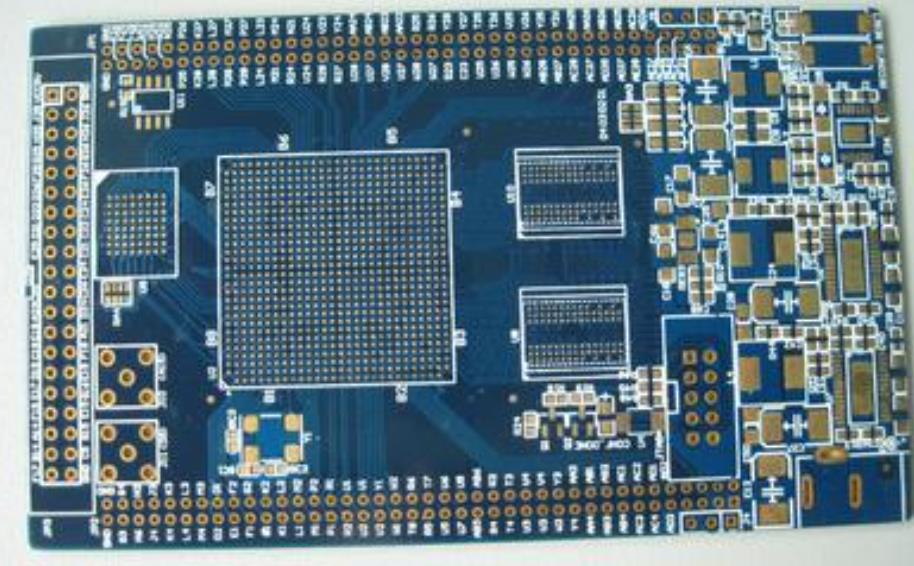
Laboratory instruments demand continuous, stable, low-noise electronic systems to control precision sensors, motor drives, optical detectors, temperature modules, and high-speed data acquisition. A reliable PCBA ensures:
- High-precision measurement and signal consistency
- Immunity to interference
- Long-term continuous operation
- Equipment lifespan and stability
1.2 Core Technical Requirements for Scientific PCBA
- Low-noise, low-drift signal paths
- Multi-layer high-density boards (6–12 layers typical)
- Highly stable power delivery
- Strict cleanliness standards
- Compliance with medical and laboratory-grade standards (ISO13485, IPC Class 3)
2. Core Capabilities for Lab Equipment PCBA
- High-precision soldering: 01005, QFN, BGA with placement accuracy up to ±25 µm.
- Reliability for 24/7 operation: High-Tg materials (FR4 TG170/180 or PI), robust joints, and redundant signal design.
- Compatibility with sensitive sensors & analog circuits: Avoid cross-talk, EMI, and drift.
- Standards compliance: ISO13485, RoHS/REACH, IPC Class 3.
3. Common PCBA Assembly Technologies for Lab Instruments
- SMT, THT, and mixed assembly – for ICs, precision sensors, high-power connectors.
- HDI and micro-via technology – improves signal integrity for high-speed data.
- Conformal coating – acrylic, silicone, or UV-cure against corrosive gases and moisture.
- High-speed data circuit design – LVDS, USB3.0, Ethernet.
4. Cost Structure of Lab Equipment PCBA
| PCB Type | Layers | Cost (USD) | Description |
|---|---|---|---|
| Standard FR4 | 2–4 | $30–$80 | Basic lab equipment |
| High-Tg FR4 | 4–8 | $90–$180 | High-temperature, stability |
| HDI board | 6–12 | $150–$280 | High-speed, complex instruments |
- Components & sensors: $8–$40 each for optical, temperature, chemical sensors.
- Assembly labor: SMT $0.008–$0.015/pin, THT $0.02–$0.06/pin.
- Testing (AOI, X-ray, ICT, FCT): $60–$180 per batch.
- Prototype vs. volume: 1–10pcs $250–$800; 300pcs+ $18–$60/pcs.
5. Low-Cost vs. High-End PCBA Suppliers
| Category | Low-cost | High-end | Impact |
|---|---|---|---|
| PCB material | Low | Mid-high | Long-term reliability |
| Component traceability | Medium | High | Reliability |
| Placement accuracy | Low | High | Critical for analog/high-speed |
| Testing capability | Basic | Full | Equipment life |
| Certifications | Few | ISO13485 / Class 3 | Essential for lab equipment |
Hidden costs: counterfeit parts, low yield rework, lack of cleanroom, poor functional testing. For demanding instruments, the optimal choice is a mid-to-high-end PCBA partner like GOPCB, not the lowest bidder.
6. PCBA Supplier Quality Dimensions
- IPC Class 2 vs Class 3: Lab equipment strongly recommends Class 3 for highest reliability.
- Testing capabilities: AOI, X-Ray, ICT, FCT with custom fixtures.
- Component traceability & calibration stability – especially for sensors, power ICs, MCUs.
- Cleanliness standard: Ionic contamination < 1.56 μg NaCl/cm².
7. What Sets Top-Tier PCBA Suppliers Apart
- DFM/DFT engineering support – detailed reports improve yield and reduce cost.
- High-accuracy placement – ±20–25 µm for low-noise, high-speed circuits.
- Industry experience: Understanding of thermal control, optical signal chains, high-speed ADC/DAC, and sensitive analog front-ends.
- Essential certifications: ISO13485, ISO9001, RoHS/REACH, IPC Class 3.
8. Typical Applications in Various Lab Instruments
- Spectrometers: High-speed ADC, power noise suppression, high-density signal chains.
- PCR & medical analyzers: Temperature control, precision heater drivers, thermal cycler controls.
- Centrifuges & microplate readers: Motor drives, optical detection, LED excitation.
- Environmental testers: Multi-sensor interfaces, data acquisition, voltage regulation.
9. GOPCB – Professional PCBA Solutions for Lab Equipment
GOPCB provides a complete turnkey PCBA solution for laboratory and scientific instruments, including:
- 2–12+ layer PCB fabrication
- HDI + micro-via technology
- SMT + THT + mixed assembly
- Conformal coating
- Full functional test support
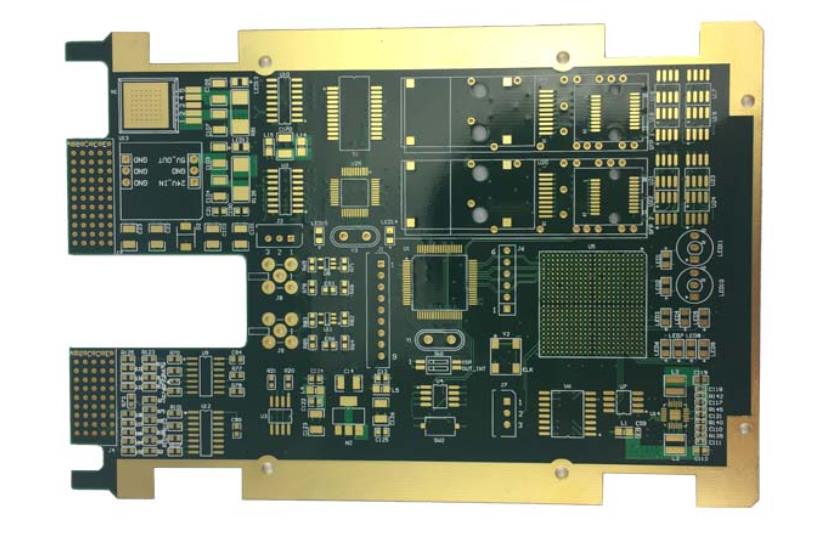
Real USD pricing examples:
| Service | Price range |
|---|---|
| 4-layer lab equipment PCBA | $35–$55/pcs |
| 6-layer HDI PCBA | $60–$120/pcs |
| Prototype PCBA for lab instruments | $260–$650 |
| Coating + testing services | $1.2–$3.8/pcs |
Quality & engineering: IPC Class 3, component traceability, cleanroom process, AOI + X-Ray inspection.
Success story: A bio-analytical instrument brand switched to GOPCB’s HDI PCBA and achieved 31% stability improvement and 45%+ field failure reduction.
10. Conclusion
PCBA is the heart of lab equipment performance. Choosing a high-quality supplier affects measurement accuracy, equipment lifespan, and long-term maintenance costs. For high-reliability scientific instruments, partners like GOPCB with HDI capability, Class 3 standards, domain expertise, and comprehensive testing are the best choice for long-term collaboration.
11. Frequently Asked Questions (Lab Equipment PCBA)
- Q1: Is IPC Class 3 mandatory for lab equipment PCBA? Yes, most precision analyzers recommend Class 3 for maximum reliability.
- Q2: Is HDI necessary for lab instruments? Not always, but for optical detection and high-speed acquisition, HDI significantly boosts performance.
- Q3: Typical cost for lab equipment PCBA? Usually $35–$120/pcs depending on layers, materials, and testing.
- Q4: Does GOPCB provide full-process PCBA for lab instruments? Yes, including PCB fabrication, component sourcing, SMT, coating, and testing – one-stop service.
For more details on our prototype PCB assembly and low-volume assembly services, please visit our service pages. We also offer turnkey PCB assembly, SMT assembly, and PCB manufacturing with full component procurement.
Explore our high-volume production capabilities and mixed-technology assembly for complex lab instrument needs.