Laboratory Equipment PCBA Assembly: Cost, Capability and Quality Guide
Precision Electronics Behind Every Measurement
Whether a spectrometer, PCR analyzer, microplate reader or environmental monitoring instrument, the performance of laboratory equipment rests on stable, precise electronic control systems. At the foundation of those systems sits high-reliability PCBA: the circuit board assembly that conditions sensor signals, drives motors and optics, regulates temperature and digitizes data. For scientific instrument manufacturers and procurement teams, assembly precision, component layout, noise control and test standards directly determine measurement accuracy, long-term stability and field reliability. This guide explains laboratory equipment PCBA assembly cost, the capabilities that separate good suppliers from marginal ones, and how to compare quality before committing a production program.
Why PCBA Quality Matters in Lab Instruments
Laboratory instruments run continuously and quietly, often 24/7, and their electronics must not drift. A reliable laboratory equipment pcba assembly guarantees high-accuracy measurement and signal consistency, strong immunity to interference, dependable long-run operation, and predictable instrument lifetime. Scientific instruments place unusual demands on the board: low-noise, low-drift analog signal chains, multilayer high-density layouts that commonly reach six to twelve layers, highly stable power designs, strict cleanliness, and compliance with medical and laboratory standards such as ISO 13485 and IPC Class 3. When an instrument’s measurement drifts, the user cannot tell whether the chemistry changed or the electronics changed, so the electronics must be the trustworthy part of the system.
Core Assembly Capabilities for Lab Boards
Laboratory equipment assembly demands capabilities that ordinary consumer PCBA does not. High-precision placement is first: boards often carry 01005 resistors, QFNs and BGAs whose placement accuracy must reach about plus or minus 25 micrometers, because small placement errors degrade signal integrity in sensitive analog sections. Reliability for continuous operation follows, with high-heat materials such as TG170 or TG180 FR-4 or polyimide, robust solder joints, and redundancy on critical signals for instruments that never power down. Compatibility with high-sensitivity sensors and analog front ends means layout must control crosstalk, EMI and drift, which is a board-design and assembly-quality issue as much as a schematic issue. Finally, the process must satisfy laboratory and medical standards, with ISO 13485 quality systems, RoHS and REACH compliance, and IPC Class 3 workmanship as the baseline for most precision instruments.
Assembly Technologies Used in Lab Instruments
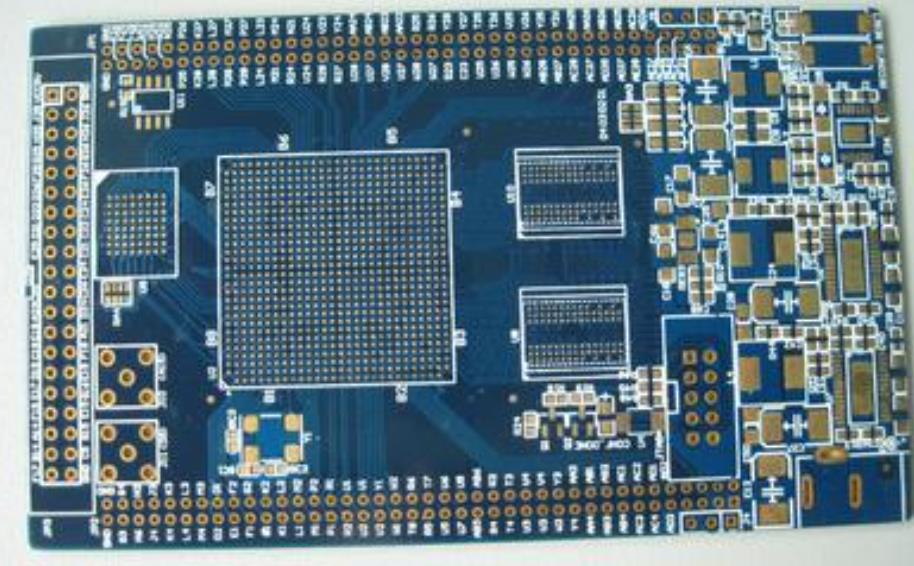
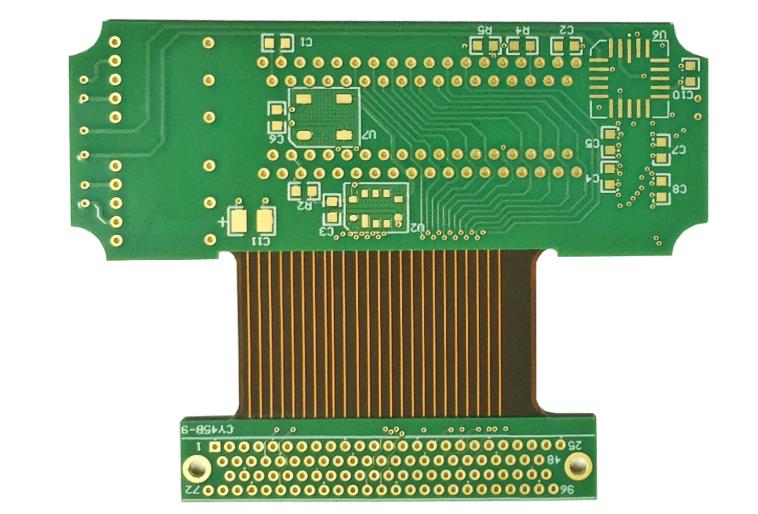
Scientific instruments rarely fit a single assembly process. SMT handles fine-pitch ICs and passives, through-hole assembly serves precision sensors, high-power connectors and mechanical components, and mixed-technology assembly combines both on one board. HDI with microvias and blind vias improves signal integrity for high-speed data acquisition in analyzers, at a predictable price premium. Conformal coating with acrylic, silicone or UV-cured materials protects boards from the corrosive gases, humidity and chemicals common in laboratories. High-speed links such as LVDS, USB 3.0 and Ethernet also appear on the same boards, which raises both design and test requirements for PCR instruments, optical detectors and spectrometers.
Cost Structure of Lab Equipment PCBA
Board technology dominates the printed-circuit cost. Standard FR-4 in two to four layers costs USD 30-80 per board and suits basic lab equipment; high-Tg FR-4 in four to eight layers runs USD 90-180 for high-temperature and high-stability instruments; and HDI boards in six to twelve layers cost USD 150-280 where high-speed complex designs require them. Precision sensors and specialty ICs add USD 8-40 each, and assembly labor follows component count, with SMT solder joints priced around USD 0.008-0.015 and through-hole joints USD 0.02-0.06. Testing, including AOI, X-ray, ICT and functional test, adds roughly USD 60-180 per batch. Small prototypes of one to ten boards land at USD 250-800, while production runs of 300 boards or more fall to USD 18-60 per board depending on complexity.
Low-Cost Versus High-End Suppliers
The difference between a low-cost supplier and a high-end one is invisible until the instrument ships. Low-cost vendors save on board material, component traceability, placement accuracy and test coverage, and those savings show up later as field failures in products that are expensive to service. High-end suppliers carry higher material and process costs but provide component sourcing with full traceability, tighter assembly accuracy that matters for analog and high-speed circuits, complete test capability, and certifications such as ISO 13485 and IPC Class 3 that laboratory equipment programs need. Hidden costs in low-cost sourcing include counterfeit or untraceable parts, low yield that forces rework, missing cleanroom discipline, and functional tests that never happen. For demanding scientific instruments, a mid-to-high-end PCBA partner is usually the correct economic answer.
Quality Dimensions to Compare
Compare suppliers on the dimensions that actually predict instrument reliability. IPC Class 2 versus Class 3 matters: laboratory equipment should be built to Class 3 for the highest reliability. Test capability separates real suppliers from assemblers: full AOI coverage, BGA X-ray inspection, ICT and functional test with customer fixtures catch defects that visual inspection misses. Component traceability protects the precision sensors, power management ICs and MCUs whose authenticity determines long-term stability. Cleanliness standards also count, with laboratory-grade assembly holding ionic contamination below 1.56 micrograms of NaCl per square centimeter, because residue can silently shift high-impedance analog measurements.
Capabilities That Define a Top Supplier
The best laboratory PCBA partners combine engineering depth with process control. They deliver detailed DFM and DFT reports that raise yield and lower cost before production starts. Their placement machines hold plus or minus 20-25 micrometer accuracy suitable for high-speed low-noise circuits. And they understand the applications: temperature-control loops for PCR, optical signal chains for spectrometers, high-speed ADC and DAC data paths, and sensitive analog front ends. Required certifications include ISO 13485, ISO 9001, RoHS and REACH, and IPC Class 3. Experience with instruments matters more than raw volume, because an assembler that has built thermal cyclers and optical detectors knows where hidden defects hide.
PCBA Applications Across Lab Instruments
Different instruments lean on different strengths of the same assembly capability. Spectrometers need high-speed ADCs, tight power-supply noise suppression and dense signal chains. PCR and medical analyzers depend on temperature-control PCBA with precision heater drivers and thermal cycler control. Centrifuges and microplate readers combine motor-drive boards with optical detection and LED excitation modules. Environmental test instruments pack multi-channel sensor interfaces, data acquisition and regulated power into one assembly. Across all of them, the pattern is the same: the instrument is only as good as the board that carries its signals.
Choosing a Laboratory Equipment PCBA Partner
Evaluate partners against your instrument class, not against general electronics benchmarks. Ask for ISO 13485 certification, IPC Class 3 process capability, HDI experience, cleanroom discipline and documented test coverage. Confirm component sourcing practices for precision sensors and control ICs, and request DFM feedback on your actual design. A one-stop partner that combines PCB manufacturing, SMT assembly, components procurement and full PCBA testing keeps the instrument supply chain under one quality system, which is exactly what medical and scientific programs need for audits and traceability.
Laboratory Equipment PCBA FAQ
Q1: Does laboratory equipment PCBA require IPC Class 3? Yes, most precision analytical instruments specify Class 3 to guarantee the highest reliability in continuous service.
Q2: Is HDI always necessary for lab instruments? Not always, but optical detection and high-speed acquisition instruments benefit significantly from HDI’s signal-integrity advantages.
Q3: What does lab equipment PCBA typically cost? Assemblies commonly run USD 35-120 per board depending on layers, material, components and test requirements.
Q4: Which certifications should the supplier hold? ISO 13485, ISO 9001, RoHS and REACH, with IPC Class 3 workmanship as the manufacturing baseline.
Conclusion
Laboratory equipment PCBA assembly determines the accuracy, stability and service life of the instruments that laboratories depend on. Placement precision, Class 3 workmanship, component traceability and real functional testing separate suppliers whose boards drift from suppliers whose boards stay silent and stable for years. Choosing a partner with HDI capability, laboratory experience and a complete test system is not a premium, it is insurance, and with medical PCBA-grade processes behind the build, scientific instruments ship ready for the bench.