SMT Operator Job Duties: Roles and Best Practices
The SMT operator job duties go far beyond standing beside a placement machine. Operators control quality, support machine setup, manage feeders, inspect the first article, monitor production, and follow ESD rules. Their decisions affect yield, delivery, and the reliability of every board produced. A skilled SMT operator understands the product requirements and knows how to react when the process begins to drift.
This guide explains the responsibilities of an SMT line operator and the best practices that support a high-quality assembly line.
Operators should also understand the product’s quality class. IPC Class 1, 2, and 3 requirements can change the acceptable appearance of solder joints and component placement.
Core Purpose of an SMT Operator
The main goal is to control quality, achieve efficiency, and supervise machine operation. The operator should not accept defective material, create defective work, or pass defective boards to the next stage.
Every board should be produced according to the process specification and inspected at the defined control points.
The operator is often the first person to notice a process problem, so attention and communication are essential.
Operators should also know how to read the panel layout and identify the correct product variant when several designs share the same line.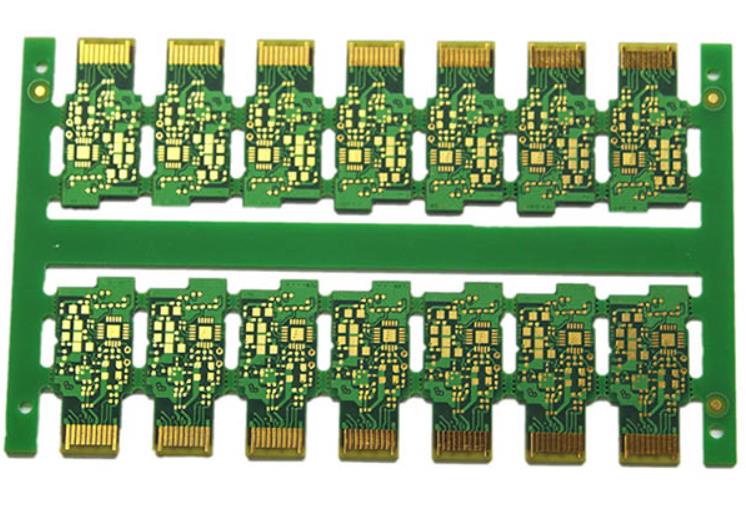
Understanding Product Data
Operators should understand the meaning of part numbers, dimensions, tolerances, and customer requirements. This knowledge helps them identify a wrong component before it reaches the machine.
They should also understand PCB markings for polarity and orientation. Reversed capacitors, diodes, and ICs can be difficult to detect after reflow.
Reading the assembly drawing, BOM, and process instruction is part of the operator’s daily responsibility.
Setup should be completed before the previous order finishes when possible. This reduces changeover time and gives the operator enough time to check every feeder.
Machine Setup and Feeder Loading
Before production begins, the operator selects the correct feeder for each component and installs the reels according to the station table.
All feeder positions should be verified before the first board is produced. A single wrong reel can create an entire batch of defective assemblies.
After setup, the operator should complete a self-check and request IPQC verification when required.
The first article result should be compared with the customer-approved sample if one is available. This catches cosmetic differences that a drawing may not describe.
If the first article fails, the operator should help identify whether the problem is in the program, feeders, paste, or board before asking the engineer to change the setup again.
First Article Production
After the technician sets up the placement machine, the operator runs a first article. This first board is checked for side-standing parts, shifted components, missing parts, wrong components, and polarity errors.
The first article should be sent to IPQC for approval before full production begins.
When the first article passes, the operator can begin the normal production run and record the result.
If the line runs different products, the operator should confirm that the stencil, solder paste, and program match the new order. A mixed setup can create confusing defects.
Checking the First Ten Boards
At the start of production, the first several boards should be checked more carefully. Small changes in machine behavior may appear only after a few boards.
The operator should inspect for component movement, tombstoning, solder paste problems, and other visible defects.
If a defect appears, production should stop and the cause should be corrected before the line continues.
Reels from different suppliers should not be mixed on the same feeder unless the process has approved them as equivalent. Marking and electrical behavior can differ between lots.
Splice joints should be strong enough to pass through the feeder without lifting the cover tape. A weak splice can stop the machine and create missed components.
Feeder Splicing and Reel Change
Reel changes should be planned before a feeder runs out. Splicing tape while the machine waits reduces production time and prevents missed components.
When a new reel is installed, the operator must confirm that the part number and reel orientation match the feeder position. IPQC should verify the change when required.
Avoid changing two feeders at the same time, because this increases the chance of mixing similar components.
Manual placement should use tweezers and positioning tools that do not damage small components. Static-safe handling is especially important for sensitive parts.
Manually placed parts should be recorded so the quality team can inspect them more carefully during testing. Manual operations have a higher risk of polarity errors.
Manual Component Placement
Some components cannot be handled by the placement machine and must be placed manually. The operator should sort these parts on a labeled tray and confirm the correct location.
Manual placement requires careful attention to polarity, pad position, and cleanliness. The operator should not use excessive force or flux.
Manually placed boards should be inspected after soldering to catch shifted or reversed parts.
Material records should be connected to the production order. If a reel is partially used, its remaining quantity and lot information must be recorded before return.
End-of-Order Material Control
At the end of an order, the operator should estimate whether material will run out and notify the supervisor before production stops.
Loose components and reels must be found, counted, and returned according to the material control procedure. This prevents mixed stock in the warehouse.
Clear material records reduce the risk of using the wrong parts in the next order.
Important process settings should be included in the handover, such as reflow profile status, pending quality issues, and machine alarms that were not resolved.
The outgoing operator should also explain where material is located and what work remains. This reduces the time the next shift spends searching for reels and tools.
Shift Handover
Before leaving, the operator should clean the machine and surrounding area, document the current production status, and hand over tools and materials clearly.
The incoming operator should know the order number, process issues, and any special instructions for the product.
A written handover record helps avoid mistakes caused by missing information.
Reports should include the number of boards produced, the number rejected, downtime, and the reason for any stoppage. This information is used for capacity planning and process improvement.
Production Reporting
The operator should update production status, yield, downtime, and material usage records in real time. These records help the supervisor and engineering team identify bottlenecks.
Daily reports should be accurate and complete. Incorrect data can hide a real process problem.
MES integration makes reporting faster and reduces manual transcription errors.
Preventive maintenance should follow the machine manufacturer’s schedule. Operators can support this by reporting unusual noise, vibration, or placement problems early.
The operator should also verify that the correct solder paste is loaded and that its expiration date has not passed. Using old paste can create a variety of soldering defects.
Machine Maintenance and Cleaning
Daily maintenance includes cleaning nozzles, checking feeders, removing solder paste residue, and inspecting the machine area. This work should be completed before production starts.
Machine condition affects placement accuracy. A small nozzle blockage can cause missing components across many boards.
Operators should report equipment problems immediately instead of trying to continue production.
ESD floor mats and equipment grounding should be checked with a tester. A broken ground connection may not be visible but can still damage components.
Operators should also avoid bringing ordinary plastic bags, food, or static-generating materials near the line. Simple habits reduce ESD risk more than expensive equipment.
ESD Responsibility
Static electricity can damage electronic components. The operator must wear an ESD wrist strap or gloves and use ESD-safe tools when handling boards and components.
ESD clothing, headwear, and floor control should be checked at the start of every shift.
The operator should also supervise other line employees and correct unsafe handling habits.
The operator should coordinate with the person who prepares the PCB from a controlled PCB manufacturing flow and with the team that performs PCBA testing after reflow.
Working as a Line Leader
An experienced operator often acts as the line leader, solving routine problems, teaching new employees, and coordinating with engineers and inspectors.
Good operators notice trends before a defect becomes serious and communicate them clearly.
With a strong quality system, SMT PCB assembly training, and reliable component procurement, operators become a key part of PCBA quality.
Ongoing skill development is also important. As new components, machines, and software appear, the operator should update their knowledge through training and practice.
Recognition and feedback also motivate operators. When a line achieves high yield, the factory should share the result and use the operator’s suggestions for improvement.
An SMT operator who understands both the machine and the quality requirements can make the difference between a stable line and one with frequent defects.
Operators should also participate in quality meetings and review defects together with the engineering team. Their first-hand observations often reveal the root cause faster.
Conclusion
SMT operator job duties include setup, first article, feeder control, manual placement, reporting, maintenance, ESD, and shift handover. The operator is central to production quality and efficiency.
Training, clear procedures, and attention to detail help operators support reliable SMT manufacturing every day.