Microinverter PCB Cost Guide: 2025 Pricing, Materials and Assembly
Why the Microinverter PCB Is a Different Cost Problem
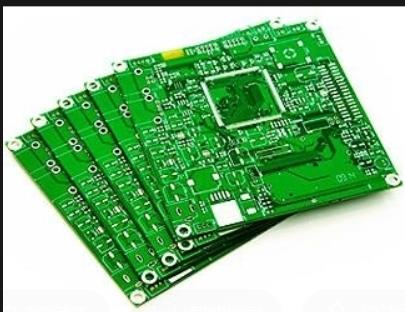
A microinverter PCB is the power-conversion heart of a solar module, turning the DC output of a panel into grid-ready AC at the module itself. Because this board lives outdoors on the roof for twenty years, it must survive heat, humidity, high voltage, and electromagnetic noise while switching power at 20-60 kHz. That combination of reliability and power electronics makes the microinverter pcb one of the most demanding boards in solar hardware, and its cost structure reflects it: material selection, layer count, copper weight, isolation design, and testing all weigh far more heavily than they do on a consumer board. Buyers who understand each cost driver can negotiate realistic quotes, avoid over-specified designs, and still keep quality high.
Core Cost Drivers for Microinverter PCBs
Six factors dominate the price of a microinverter pcb. The base laminate matters first: standard FR-4 suits simple layouts, high-Tg FR-4 resists the thermal cycling of outdoor operation, metal-core boards improve heat spreading, and hybrid stacks that pair RF-grade material with FR-4 appear when the power stage demands cleaner switching behavior. Material typically represents 25-35 percent of total board cost, so choosing the right grade saves more than any later negotiation.
Layer count is the second driver. Most microinverter designs need four to eight layers to separate high-current power paths from sensitive control signals and to provide clean ground planes. An unnecessary jump from four to six layers can add roughly 40 percent to fabrication cost, which is why stack-up reviews early in the project are worth real money.
Copper weight is third. Microinverter boards routinely use 2 oz to 4 oz copper to carry continuous current without excessive heating, and thicker copper complicates etching and drilling. Expect a 15-20 percent premium for 2 oz and 35-50 percent for 3-4 oz over standard 1 oz processing.
Surface finish, isolation features, and thermal structures make up the rest. ENIG is the most common finish because it gives flat, corrosion-resistant pads for power components; HASL or OSP can cut cost when the design tolerates them. High-voltage isolation adds creepage slots, routed gaps, and certified insulating materials, while thermal management adds heat-relief vias, thermal pads, and sometimes an attached metal-core layer.
Material Selection and the 2025 Price Picture
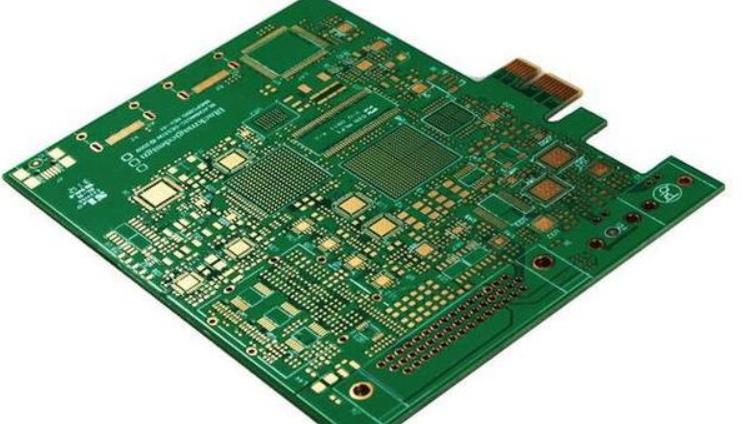
Base material prices have been moving with copper, resin, and glass supply. As a working reference for 2025, standard FR-4 boards used in simpler power-conversion sections typically price between USD 15 and 28 per square meter before fabrication, high-Tg FR-4 runs modestly higher, metal-core substrates land around USD 22-45, and hybrid high-frequency stacks can reach USD 35-60. These numbers matter most at the quotation stage, because a board that looks small can still carry expensive material when the power stage demands it.
For a complete microinverter pcb rather than raw material, realistic ranges are easier to use. Prototype quantities of one to ten boards usually cost USD 45-95 for fabrication and USD 80-180 once assembly is included. Small batches of 50-500 pieces drop to roughly USD 18-38 for the bare board and USD 38-72 assembled. At 1,000 pieces and above, volume pricing commonly reaches USD 9-22 for fabrication and USD 22-48 for full PCBA. Power class shifts the numbers too: a standard 200-350 W design often lands at USD 14-28 per board, while a 400-800 W high-power variant can run USD 22-45 because of heavier copper, stronger isolation, and better thermal construction.
Assembly Cost: Where the Money Really Goes
Once components are added, assembly usually costs more than the bare board. Power semiconductors such as MOSFETs, IGBTs, gate drivers, and the control MCU can account for USD 12-40 of BOM cost depending on rating and brand. SMT placement for microinverter-class boards also prices higher than standard work because power packages, thick-copper pads, and fine-pitch controllers need careful paste control; a reasonable planning figure is USD 0.02-0.04 per pad versus USD 0.01-0.015 for conventional boards, with whole-board SMT commonly landing between USD 12 and 25.
Outdoor duty adds two non-negotiable line items. Conformal coating protects the board from condensation and salt-laden air and typically costs USD 4-10 per board, and functional test plus burn-in adds another USD 3-8. Combined with the engineering of the power stage itself, these costs explain why a complete microinverter PCBA is usually several times the price of the bare board.
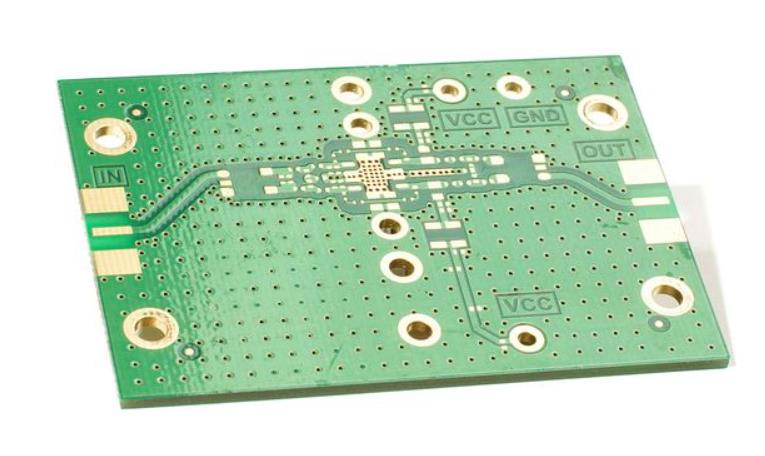
Global Manufacturing Comparison
Geography still shapes microinverter pcb pricing more than most buyers expect. Chinese manufacturers remain the value leader for solar power electronics, quoting the USD 9-22 fabrication and USD 22-48 assembled ranges above, because the country combines an integrated component supply chain for MOSFETs, transformers, and driver ICs with scaled fabrication capacity. Southeast Asia typically runs 10-18 percent higher, European production commonly costs two to three times the Chinese baseline, and US production can reach three to four times. Labor share tells the story: labor is roughly 10-15 percent of cost in China, 25-35 percent in Europe, and 35-50 percent in the United States.
Freight and tariffs add USD 0.7-3 per board for ocean volume shipments, and currency movement can shift landed cost month to month. Buyers who quote the same design with the same test plan across regions see the widest spread in high-power boards, because heavy-copper processing and isolation testing are the most labor- and equipment-intensive steps in the entire flow.
Market Variables to Watch
Several external factors move microinverter PCB pricing in 2025. Copper price swings directly affect heavy-copper boards. Resin and laminate price cycles shift high-Tg and hybrid material costs quarter by quarter. Semiconductor supply pressure on MOSFETs and gate drivers can add 10-25 percent to assembled cost when allocations tighten. Exchange rates change import cost almost monthly, and solar seasonality concentrates demand, so quotes during the industry’s peak buying window are consistently higher than in off-season. A practical hedge is to lock annual volume agreements with a supplier that buys laminate and components ahead of your orders.
How to Reduce Microinverter PCB Cost
Cost reduction starts with specification discipline. Use high-Tg FR-4 where it is truly needed instead of defaulting to hybrid RF stacks. Question six- and eight-layer requirements; many power-stage layouts fit in four layers with good planning. Optimize panel utilization, because poor nesting can waste 10-20 percent of material. Match the surface finish to the reliability case instead of applying ENIG everywhere. And run a DFM review before tooling: a partner that flags marginal clearances, via-in-pad risks, and heavy-copper etching limits at the design stage prevents the rework that quietly doubles project cost.
Choosing a Microinverter PCB Manufacturer
Certification is the entry ticket: ISO 9001 quality systems, ISO 14001 environmental management, UL recognition for the materials and processes used, and IPC Class 2 or Class 3 capability where the design demands it. Engineering depth matters more than price alone, because high-voltage spacing rules, thermal simulation, and DFM feedback are what actually protect your timeline. Ask for evidence of solar or power-electronics work, request thermal and high-potential test records, and compare quotes on total cost including yield assumptions rather than unit price alone. A partner experienced in Energy PCBA can usually identify stack-up and component issues that a generalist shop will miss.
Microinverter PCB FAQ
Q1: How much does a microinverter PCB cost in small volume? Plan on USD 18-38 per bare board and USD 38-72 for assembled PCBA at 50-500 pieces, before tooling and test setup.
Q2: Why are microinverter boards more expensive than standard PCBs? They combine thick copper, high-voltage isolation, thermal structures, and outdoor-grade finishes that ordinary boards do not need.
Q3: Is ENIG always required? ENIG is recommended for reliability in outdoor power electronics, but OSP or HASL can be acceptable on lower-cost designs with clean assembly processes.
Q4: What lead time should I expect? Prototype fabrication typically takes 5-10 days and full PCBA another 5-10, while volume programs run 2-4 weeks depending on material availability.
Conclusion
The microinverter pcb is one of the most technically demanding boards in renewable energy, and its cost reflects real engineering: materials, layers, copper, isolation, and testing each carry a price that a careful buyer can control through specification discipline and the right partner. Work with a manufacturer that combines PCB manufacturing, SMT PCB assembly, and PCBA testing under one roof, and solar projects get boards that survive decades of rooftop weather without paying for capability they never use. For related reading, our guide to solar panel PCBs explains how the rest of the module is built.