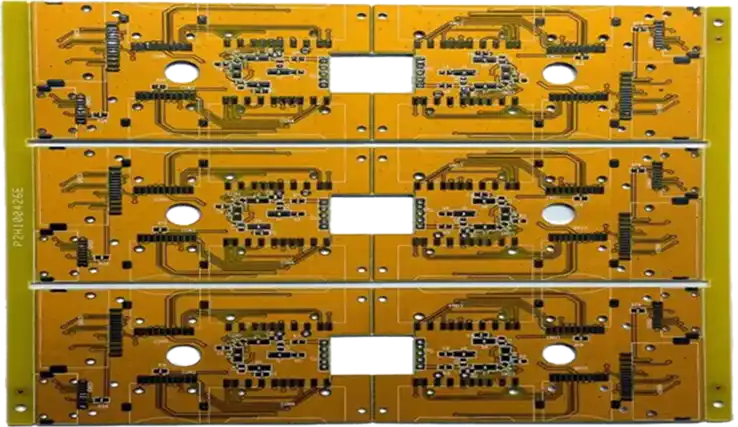
Immersion Silver for Multilayer PCB Surface Finishes
Immersion silver deposits a thin silver layer directly onto exposed copper through a displacement reaction. On multilayer boards, that simple step sits at the end of a long chain of drilling, plating, imaging and lamination work. The finish protects pads and test points from oxidation until assembly, and it must survive storage, handling and reflow. This article explains how immersion silver behaves on multilayer boards, where the process is sensitive, and what buyers should confirm before release.
The aim is a finish choice that matches the stack-up and the product environment.
Multilayer boards carry more copper, more vias and tighter registration demands than simple double-sided work. The surface finish must cover copper that has already passed through several plating and etching steps. Any weakness in the silver deposit shows up later as poor wetting, weak joints or failed inspection. Engineers should treat the finish as part of the whole fabrication plan, not as a final dip that fixes earlier problems. A finish decision made early in the project costs less than a change made after tooling.
How Immersion Silver Works
Immersion silver relies on a chemical exchange between the solution and the copper surface. Copper dissolves into the bath while silver deposits on the exposed metal. The reaction stops once the copper is covered, which keeps the layer thin and uniform. This self-limiting behavior suits fine features and small pads. It also means the process depends on clean copper, because contamination blocks the exchange and leaves bare spots. The result is a matte silver surface that protects copper and solders well.
Because no nickel barrier is involved, the deposit stays thin and the pad profile stays flat. Flat pads help paste release and component placement on dense boards. The absence of nickel also removes one plating stage from the flow, which shortens cycle time and reduces chemical handling. That simplicity is a real advantage for buyers who need predictable lead times. It does not, however, remove the need for tight control of the copper surface before the silver bath.
Stackup Choices
Multilayer stackups combine signal layers, ground planes and dielectric cores in one laminated structure. The outer copper that receives the silver is usually thin, so surface preparation must avoid excess etching. Uneven copper distribution across the panel can cause local differences in deposit appearance. Designers should balance copper on outer layers and keep large open areas filled where possible. A balanced panel helps the silver bath work evenly and makes inspection easier to interpret.
Blind and buried vias add another consideration. Via holes that reach the outer surface must be clean and free of plating defects before finishing. Resin smear or rough plating near the via rim can trap solution and cause staining. Fabricators should confirm hole quality and surface cleanliness before the board enters the silver line. Buyers can ask for the process sequence and the inspection points that cover these steps. Clear answers here show whether the supplier understands multilayer work.
Lamination Control
Lamination sets the flatness and registration of the whole board. Voids, resin starvation or excessive squeeze-out can all affect the outer surface that later receives silver. A board that is not flat will not sit well on the assembly line, and small height differences can disturb paste printing. Fabricators should control press cycles, cooling rates and panel support during handling. These steps are routine, but they decide whether the final finish looks and performs as intended.
After lamination, the panel goes through drilling, plating and outer-layer imaging before finishing. Each step adds stress and handling risk. Scratches and contamination on outer copper are the most common causes of finish defects. Good shops track panels between steps and keep them in clean carriers. Buyers reviewing a new supplier should ask how panels are protected after outer-layer etching. The answer often explains the difference between consistent and inconsistent silver results.
Drilling Risk
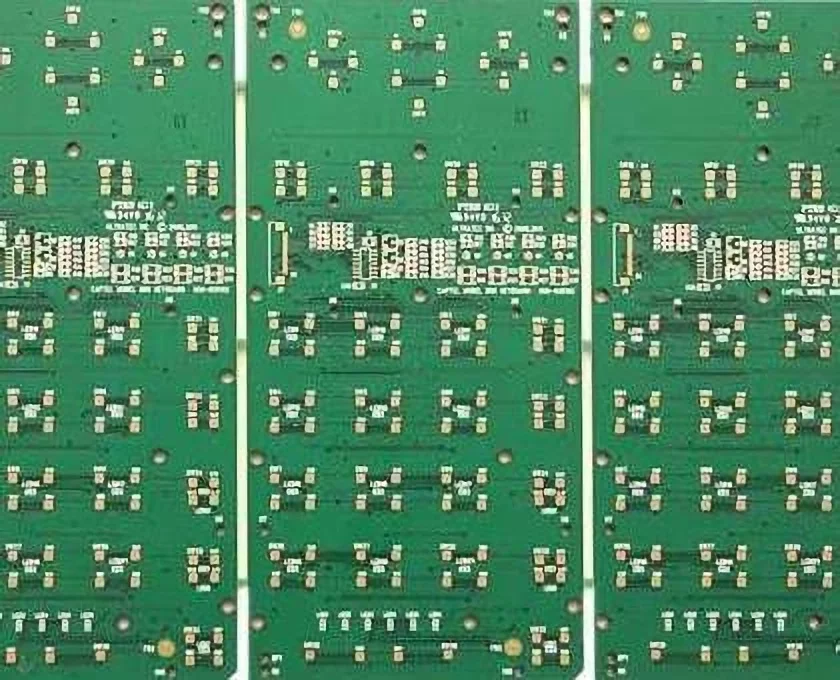
Drilling creates the vias that connect layers, and it also creates the surface conditions the silver bath must tolerate. Rough hole walls and burrs can hold solution or resist removal later. Small vias in dense areas are especially sensitive to smear and debris. Fabricators should use appropriate drill parameters and follow with a controlled desmear step. Inspection of hole quality before plating prevents defects that no finish can repair.
Vias that are tented or filled need clear agreement on which surfaces receive silver. Open test vias and component holes will take the deposit, while covered areas should stay clean. Ambiguity here leads to disputes at inspection. The fabrication drawing should mark finished surfaces and any keep-out areas. Buyers should confirm that the supplier reads the same drawing the designer issued. Consistent interpretation avoids rework and keeps the build on schedule.
Silver Bath Control
The silver bath is the heart of the process, and its chemistry must stay within a narrow window. Concentration, temperature, pH and immersion time all affect deposit thickness and appearance. A bath that drifts produces thin deposits, discoloration or poor solderability. Fabricators should analyze the bath on a fixed schedule and record the results. These records let the shop catch drift before a whole lot is affected. They also give buyers evidence that the process is controlled.
Rinsing after the silver bath matters as much as the bath itself. Residual chemistry on the surface can cause staining or corrosion during storage. Good lines use multiple rinse stages and controlled drying. Water quality and drying temperature both influence the final appearance. A uniform, light silver color is normal, and slight color variation is not automatically a defect. Buyers should agree on acceptance criteria with the supplier rather than judging by appearance alone.
Assembly Considerations
Immersion silver solders well with common pastes and is compatible with lead-free reflow profiles. The thin layer dissolves into the joint quickly, which supports good wetting on fine pads. Boards should be assembled soon after finishing or stored under controlled conditions. Sulfur-bearing materials near the boards can cause tarnish, so packaging and storage areas need attention. Simple controls such as sulfur-free paper and sealed bags protect the surface during shipment.
For projects that combine fabrication and assembly, the finish choice should be agreed with the assembly partner. Paste type, stencil design and reflow profile all interact with the surface. A partner that runs both steps can check the finish against the actual assembly process. Buyers planning a full build can review PCB assembly services and ask how incoming boards are stored and handled. That conversation prevents small surface issues from becoming line stoppages.
Test Coverage
Electrical test confirms that the finished board matches the netlist, and it also exercises the surface at probe points. Silver probe pads must be clean and flat so test pins make reliable contact. Repeated probing can wear the soft silver layer, so test plans should account for probe pressure and tip condition. Fabricators and test houses should agree on which pads are used for probing. Clear agreement keeps test yields stable across lots.
Inspection adds confidence but cannot prove long-term reliability. Visual checks catch stains, scratches and incomplete coverage, while solderability tests show how the surface behaves in assembly. Buyers should ask which tests are performed and how often. A structured PCBA testing plan that includes functional checks gives a fuller picture. Records from these steps show whether the process is stable or merely passing on the day of audit.

Cost And Supply
Immersion silver usually costs less than finishes that use gold, because it avoids the nickel and gold stages. That saving is real, but it should be weighed against storage and handling needs. Boards that sit in inventory for months may need better packaging or earlier consumption. Buyers should compare total cost, including rework and scrap risk, rather than the finish price alone. A slightly higher finish cost can be cheaper than a failed lot.
Supply also affects the choice. Silver baths and related chemistry must be maintained and replenished, and the shop must manage waste properly. A supplier with a well-run line delivers consistent results, while a poorly maintained line creates variability. Buyers can ask how often the bath is analyzed and how panels are tracked. For teams that need design support alongside fabrication, PCB design and layout review can catch finish-related issues early. Early review is cheaper than late correction.
Supplier Checks
Before releasing a multilayer order, confirm the finish specification in writing. The drawing should state the finish type, thickness range and any areas that must stay free of silver. Ask for the process flow and the inspection points that cover surface preparation and bath control. Confirm storage and packaging methods, especially for boards that will wait before assembly. These details are simple to check and they prevent most finish-related problems.
Buyers should also confirm how the supplier handles changes. A new bath, a new rinse stage or a new drying oven can shift results, so change notification matters. Ask for first-article inspection data on the finish and keep it with the lot record. For projects that need sourcing and build under one roof, turnkey PCB assembly can simplify coordination. A single point of contact makes finish questions easier to resolve before they reach the line.
Matching Finish To Product
Immersion silver suits products with controlled storage and moderate environmental exposure. Consumer devices, computing hardware and many high-frequency designs fit this profile. Boards that face sulfur-rich air, long field life or repeated handling may need a more durable finish. Engineers should match the finish to the real operating conditions rather than to a default preference. The right choice protects yield, reliability and schedule at the same time.
Assembly method also shapes the decision. Fine-pitch work benefits from a flat surface, and silver provides that without a nickel layer. High-volume runs benefit from a short, simple process flow. Low-volume or prototype work benefits from fast turnaround on finish samples. Teams that need quick evaluation before volume can use SMT PCB assembly trials to test wetting and joint quality. Trial data turns a finish debate into a measured decision.
Practical Takeaway
Immersion silver is a strong choice for multilayer boards when the copper is clean, the bath is controlled and storage is managed. It offers flat pads, good solderability and a short process flow at a sensible cost. The risks sit in surface preparation, bath chemistry and handling after finishing. Buyers should confirm the specification, the inspection points and the storage plan before release. A finish that matches the product environment will always outperform one chosen by habit.