



Printer PCB: A Beginner Guide to Design and Layout The board inside a printer is one of the most electrically hostile environments in consumer electronics. It controls motors that start and stop abruptly, drives a print head whose nozzles fire thousands of times a second, generates high voltage for the…
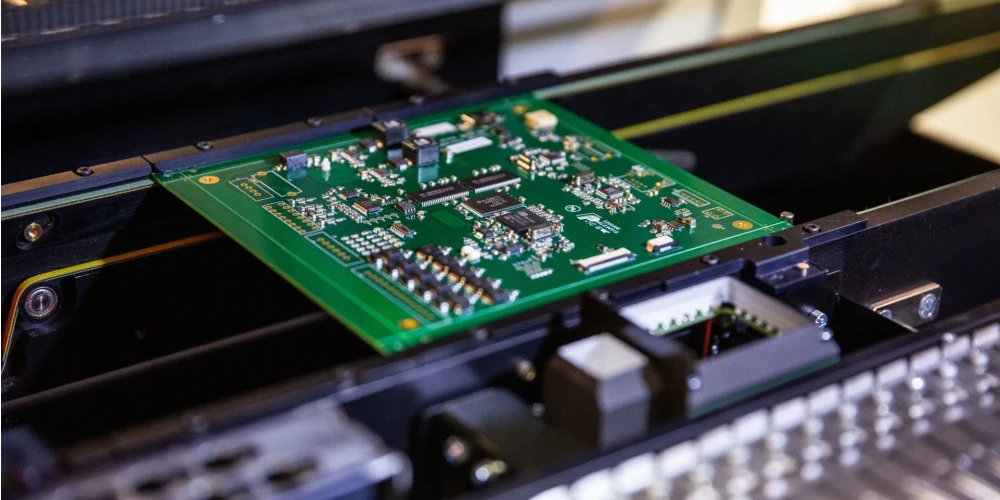
PCB Eye Diagram Mask Test: What Buyers and Engineers Should Check Electronics manufacturing has become a discipline of small details. Solder paste volumes, placement accuracy, temperature profiles and inspection limits all add up to the final result. This guide looks at PCB eye diagram mask test from the perspective of…
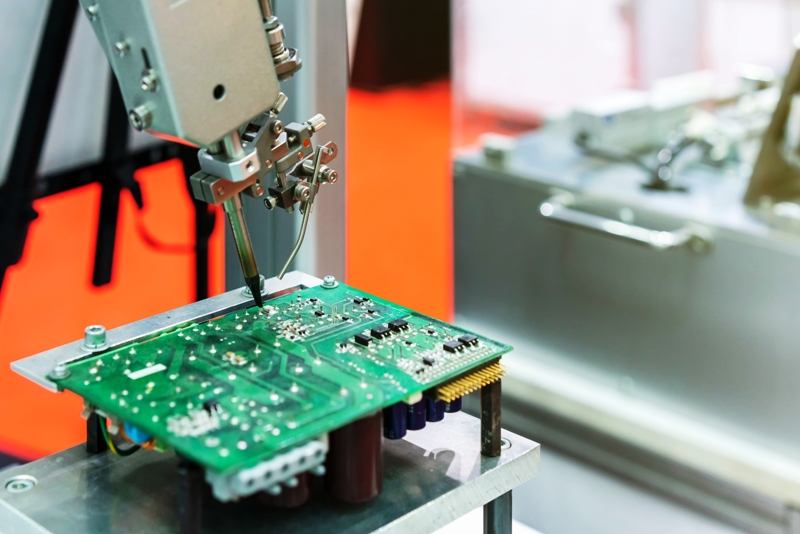
PCB Back Drilling Residue: Design, Process, and Quality Notes Modern electronics depend on boards that are assembled correctly the first time. Every product – a phone, a charger, a medical instrument or an industrial controller – relies on thousands of solder joints that must conduct current for years. This article…
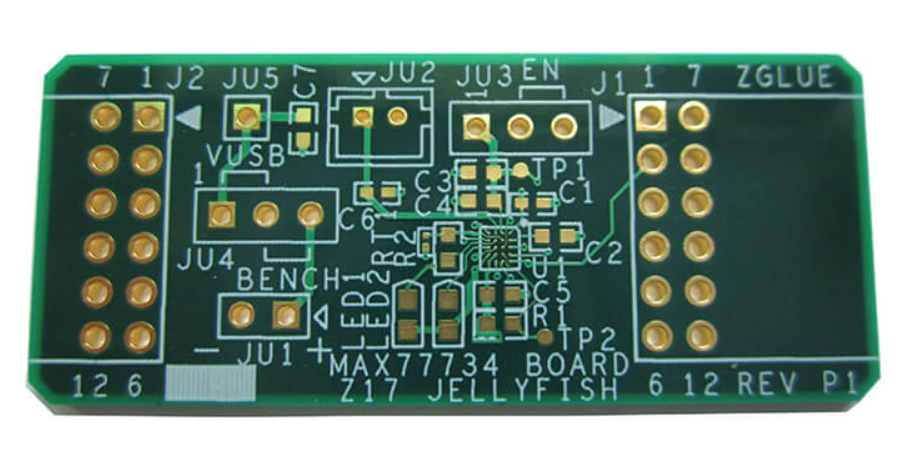
Circuit Board Components: From Resistors to Integrated Circuits Every circuit board is a network of a handful of component families, connected by copper. Knowing what each family does, how it fails and how it is placed is the difference between a layout that works and one that works once. Resistors:…
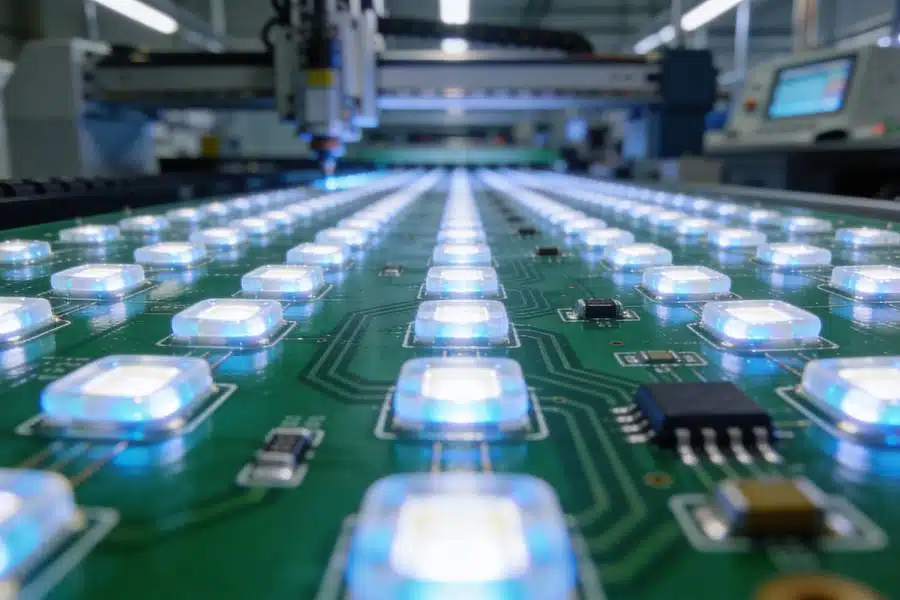
PCB Blind and Buried Via Cost: What Buyers and Engineers Should Check Electronics manufacturing has become a discipline of small details. Solder paste volumes, placement accuracy, temperature profiles and inspection limits all add up to the final result. This guide looks at PCB blind and buried via cost from the…
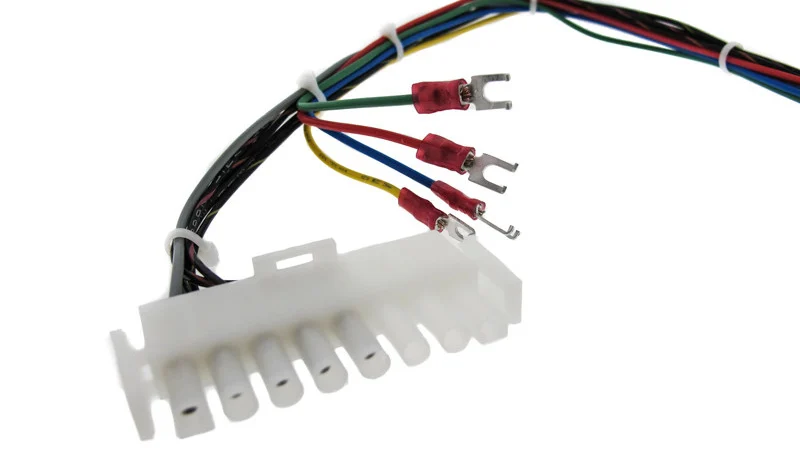
PCB Milling: CNC Prototyping Without Chemicals Milling a circuit board is the fastest way to turn a schematic into something you can solder, and it is the only common prototyping method that produces a board without chemicals. A CNC machine cuts the copper away from the traces instead of etching…

Water Heater PCB: Design for Mains Powered Appliances A water heater control board lives in an environment that most electronics never see: mains voltage on the same substrate as a microcontroller, condensation on the surface for part of every day, and an ambient that rises every time the element energises.…

PCB Copper Weight: How Foil Thickness Is Chosen Copper weight is quoted in ounces, and the number means something specific: the weight of copper per square foot of area, which for one ounce corresponds to a thickness of about 35 micrometres. It is one of the few design parameters that…
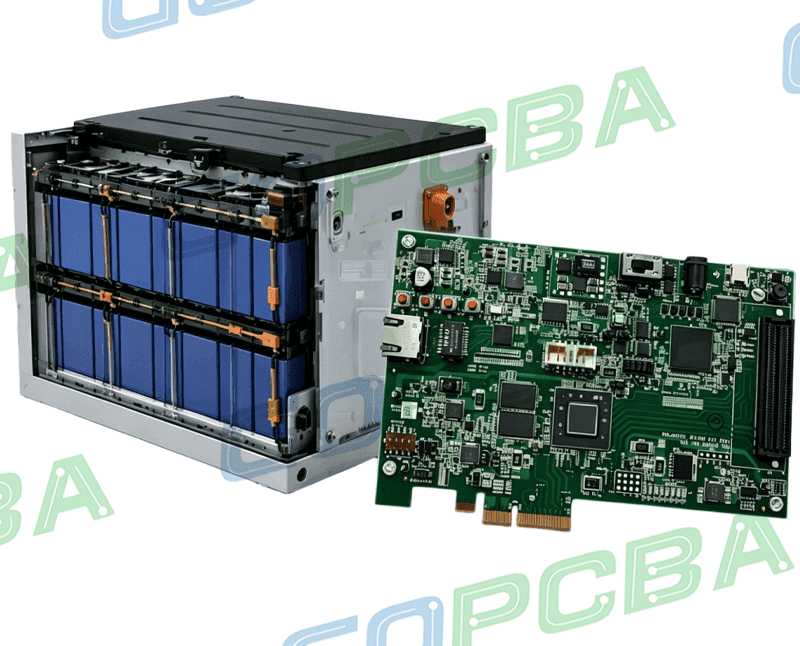
PCB Via Barrel Cracking: When the Wall Opens Electronics manufacturing has become a discipline of small details. Solder paste volumes, placement accuracy, temperature profiles and inspection limits all add up to the final result. This guide looks at PCB via barrel cracking from the perspective of a PCBA factory floor,…
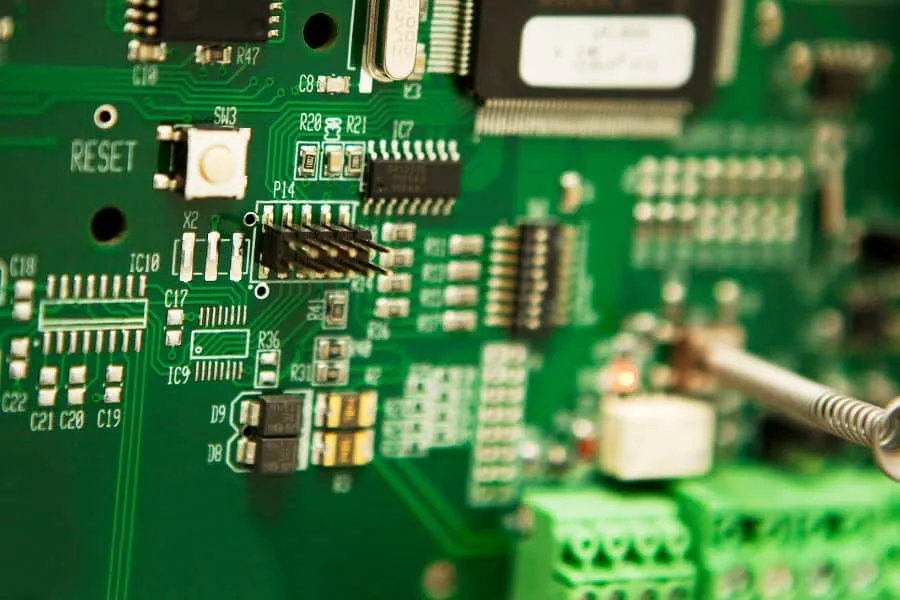
PCB Bus Bar on A Board: Design and Assembly Considerations Electronics manufacturing has become a discipline of small details. Solder paste volumes, placement accuracy, temperature profiles and inspection limits all add up to the final result. This guide looks at PCB bus bar on a board from the perspective of…
