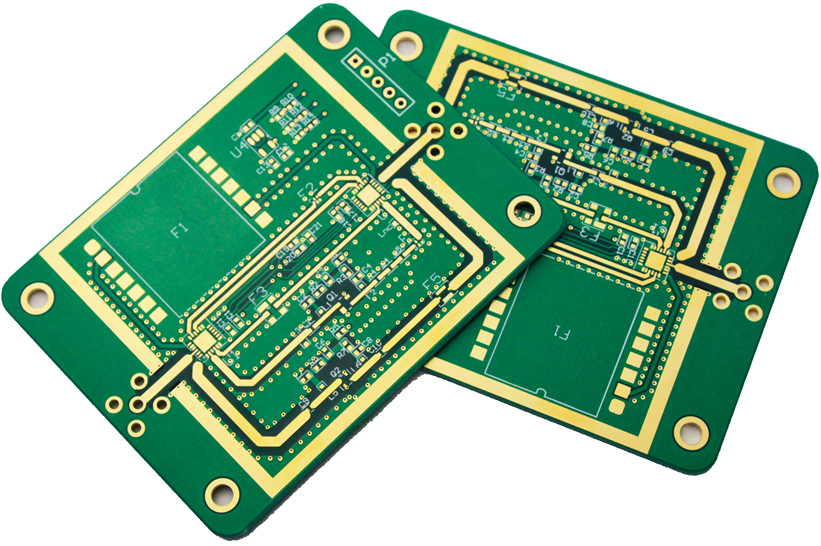
FR-4 Material in PCB Construction and Its Applications Almost every rigid board in production is built on the same family of material, and understanding what that material is explains a great deal about the limits of the board: why it is stiff, why it is dimensionally stable in one direction…
PCB Thermal Via Placement Rules: A Practical Manufacturing Guide Buyers and engineers often focus on the finished product and forget the production line behind it. In practice, most field failures can be traced back to process decisions made during assembly. Understanding PCB thermal via placement rules gives you a practical…
PCB Baking Before SMT Assembly: Temperature and Time Rules A bare board that has been sitting in a warehouse is not ready for the reflow oven. Laminate and solder mask absorb water from the air, and when that water meets reflow temperature it turns to steam faster than it can…
PCB Material Selection: Dielectric, Thermal and Structural Properties Every thermal, mechanical and electrical behaviour of a board is set by the material it is built from. Copper geometry gets most of the attention during layout, but the substrate decides the impedance, the loss, the dimensional stability and the temperature at…
Test Point Design: Coverage, Placement and ICT Access Test points are the interface between the board and the equipment that verifies it. They are cheap to add during layout and expensive to add afterwards, and their placement determines whether a bed of nails fixture can reach every net or whether…
PCB Layout Isolation Rules: Separating Noisy and Sensitive Circuits Most noise problems on a mixed-signal board come from two circuits that were placed too close together. The remedy is not a clever component but a set of separation rules applied consistently from the first placement decision: keep the strong away…
PCB Bow and Twist Measurement: What Matters on the Production Line Modern electronics depend on boards that are assembled correctly the first time. Every product – a phone, a charger, a medical instrument or an industrial controller – relies on thousands of solder joints that must conduct current for years.…
PCB Warp and Twist After Reflow: What Matters on the Production Line Electronics manufacturing has become a discipline of small details. Solder paste volumes, placement accuracy, temperature profiles and inspection limits all add up to the final result. This guide looks at PCB warp and twist after reflow from the…
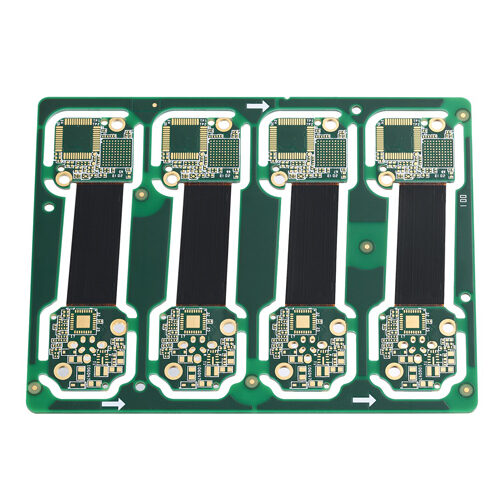
FPC Lamination Process: Stacking, Release Film, and Structure Lamination is the operation that turns a stack of flexible layers into a single bonded circuit, and it is the step that most distinguishes flexible board production from rigid board production. The materials are thinner, the handling requirements are stricter, and the…
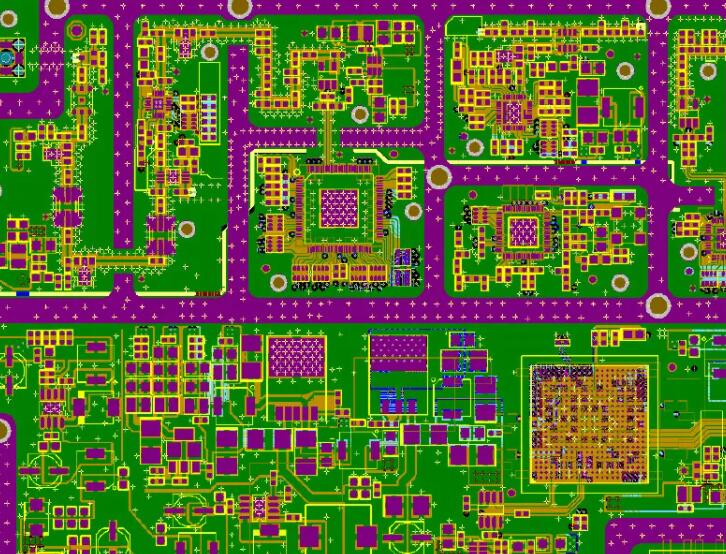
PCB Placement Principles: Partitioning by Function and Signal Class Placement is the stage where the electrical intent of a circuit is translated into a physical floorplan, and it sets the ceiling on what the routing can achieve. A board with a careless placement cannot be rescued by careful routing, because…