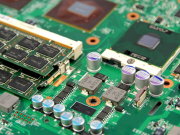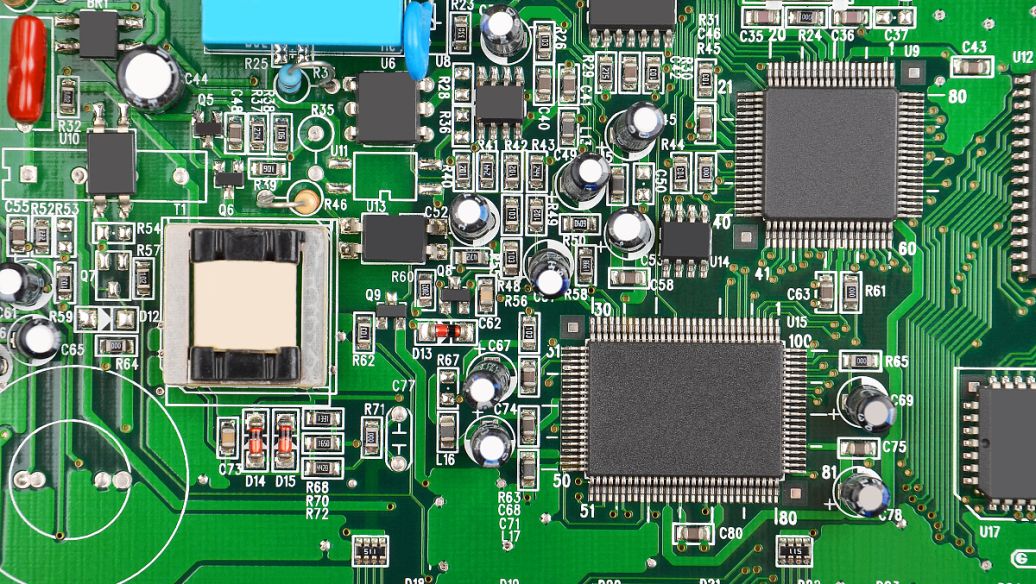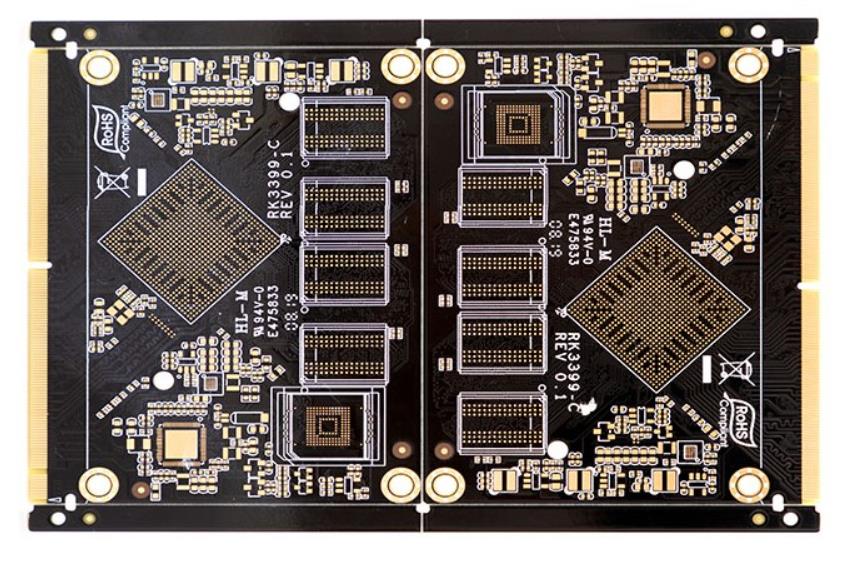
Ordering PCBs With Gerber Files Only: What Else Matters Gerber files describe the copper, the solder mask, the silkscreen and the outline. They are the core of a fabrication order, and they deliberately say nothing about why the board was drawn the way it was. That silence is the source…

Design for Manufacturability Review: Before Production, Not After Most of the money lost in electronics manufacturing is lost in the gap between a design that passes a functional test and a design that can be built repeatedly. That gap is what a design for manufacturability review exists to close, and…
High Speed PCB Design: Where Layout Experience Actually Shows High speed design is not defined by a clock frequency. It is defined by whether the physical path of a signal changes its behaviour, which happens when the rise time is short relative to the length of the interconnect. A slow…
New Product Introduction: Choosing an SMT Assembly Partner New product introduction is the phase in which a design becomes a manufacturable product, and it is usually compressed into a schedule that was written before anyone knew what the problems would be. The supplier chosen for the first build has a…
Mass Production Readiness: Preparing a Hardware Product to Scale A product that works on a bench is not yet a product that can be built a thousand times. The gap between the two is not one big problem; it is a collection of small ones, each of which is cheap…
PCB Fabrication for Pilot Runs: What R&D Teams Should Compare A pilot run is where a design stops being a file and starts being a product. The quantity is small, the schedule is short, and the board has to be good enough to support assembly, test and a customer demonstration.…
Electrochemical Migration: PCB Spacing and Finish Electrochemical migration is a failure mode that grows quietly between biased conductors. Moisture, ionic residue and a steady voltage together dissolve copper at the anode and plate it back at the cathode. The result is a conductive dendrite that bridges the gap and raises…
3D Printed Electronics vs Traditional PCB Making 3D printed electronics and traditional PCB making solve the same problem in opposite ways. One adds material only where the circuit needs it. The other starts with a copper-clad laminate and removes everything that is not a trace. That single difference shapes cost,…
Automotive Electronics PCB Design: Thermal Cycling Automotive control modules run hot and cold for years. Engine bay controllers, on-board chargers and ADAS domain controllers see wide swings every day. Each cycle strains the joints between copper, resin and solder. Thermal fatigue is one of the main failure modes after solder…
Rigid-Flex PCB Stress and Stiffener Design Guide Rigid-flex boards combine rigid and flexible sections in one package. This saves space and improves reliability in dynamic applications. But the boundary between the two materials creates a transition zone. Here, sudden changes in material properties and bending loads concentrate stress. That stress…