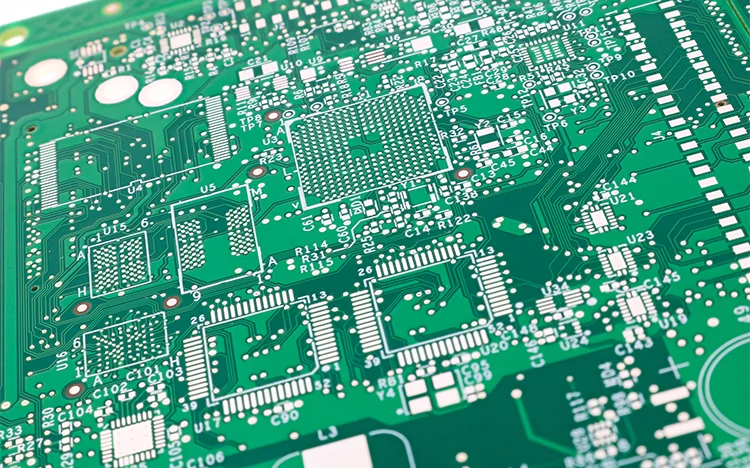
PCBA Factory Industry Reputation: Design and Assembly Considerations Modern electronics depend on boards that are assembled correctly the first time. Every product – a phone, a charger, a medical instrument or an industrial controller – relies on thousands of solder joints that must conduct current for years. This article explains…
PCBA Defect Rate Control: Process Details and Inspection Points Buyers and engineers often focus on the finished product and forget the production line behind it. In practice, most field failures can be traced back to process decisions made during assembly. Understanding PCBA defect rate control gives you a practical advantage…
PCBA Material Procurement Service: Sourcing Parts for the Build Modern electronics depend on boards that are assembled correctly the first time. Every product – a phone, a charger, a medical instrument or an industrial controller – relies on thousands of solder joints that must conduct current for years. This article…
First Time PCBA Factory Cooperation: What Matters on the Production Line Buyers and engineers often focus on the finished product and forget the production line behind it. In practice, most field failures can be traced back to process decisions made during assembly. Understanding first time PCBA factory cooperation gives you…
PCBA After Sales Support Service: From Prototype to Volume Production Electronics manufacturing has become a discipline of small details. Solder paste volumes, placement accuracy, temperature profiles and inspection limits all add up to the final result. This guide looks at PCBA after sales support service from the perspective of a…
There is a common saying: “Without rules, there can be no standards.” This principle is especially important in electronics manufacturing. PCB Manufacturing involves multiple interconnected processes, specialized equipment, trained operators, and strict quality requirements. Establishing clear operating procedures and consistently enforcing them is essential for maintaining production efficiency and product…
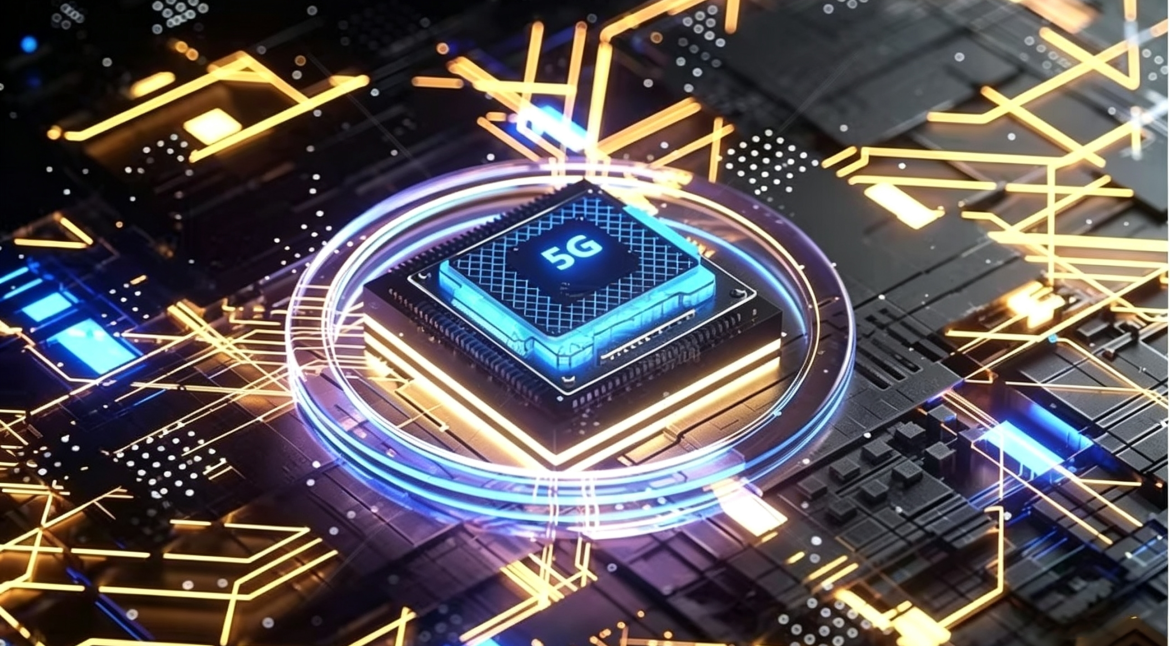
The rapid development of 5G Technology is creating new opportunities for the global electronics industry. With higher data rates, lower latency, greater connection density, and improved network capacity, 5G is accelerating the development of communication infrastructure and a wide range of connected devices. This transformation is also creating new demand…
Although some high-power RF PCB applications operate independently of base stations, many of the highest-power PCB applications are associated with the power amplifiers used in wireless communication infrastructure. Designing these circuits requires careful consideration of electrical performance, thermal behavior, material properties, and long-term reliability. This article focuses on the fundamental…
Ink is an essential material used in the manufacturing and protection of HDI PCB and other advanced circuit boards, including blind-via and buried-via boards. In PCB manufacturing, ink is primarily used to protect exposed copper from oxidation, provide electrical insulation, and improve the long-term reliability and appearance of the finished…
As electronic products become smaller, faster, and more highly integrated, conventional PCB structures are increasingly challenged by limited routing space and component density. This has driven the development of HDI PCB technology. HDI stands for High-Density Interconnect. An HDI Circuit Board uses technologies such as microvias, blind vias, buried vias,…