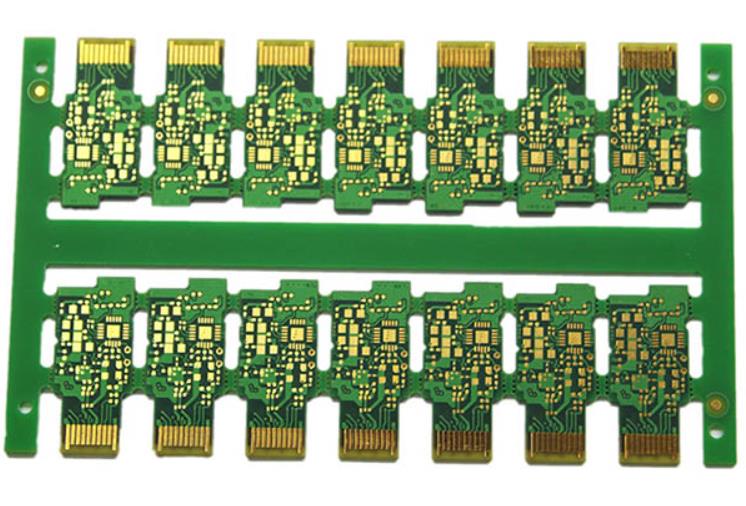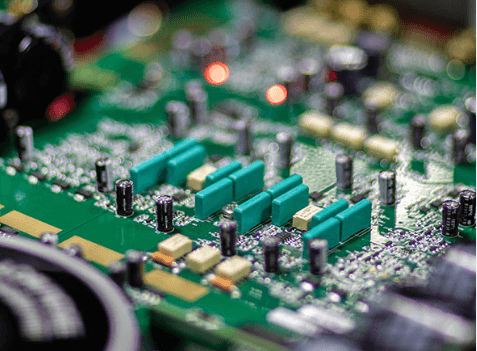
Advantages of PCB Metal Edge Plating Metal edge plating covers the cut edges of a circuit board with a conductive metal layer. Copper, nickel, or tin are common choices. The plating connects the board edge to internal copper features and seals the laminate. This changes how the board behaves under…
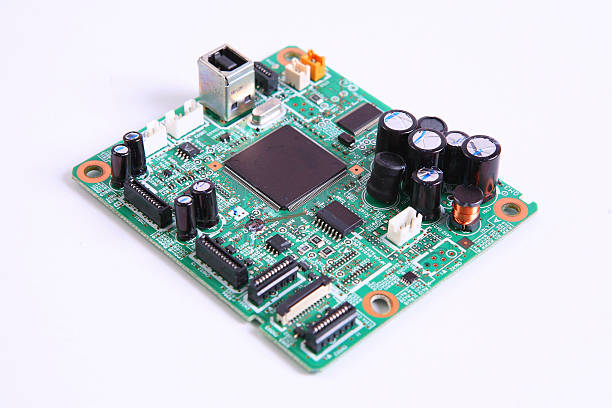
Aerospace PCB Inspection Standards for Builders Aerospace boards carry control functions where a hidden defect can become a safety event. Inspection standards exist to catch those defects before the board leaves the factory. They cover appearance, dimensions, electrical behavior and process control. Each check answers a specific question about how…
VR Headset PCB Selection Guide: Materials, Types, Costs & Manufacturing With the widespread adoption of virtual reality (VR) headsets in gaming, training simulations, and immersive experiences throughout 2025 and beyond, the printed circuit board (PCB) has become an increasingly critical core part. PCBs ensure high-speed signal transmission stability, manage thermal…
Carbon Ink PCB Manufacturing Process Explained Carbon ink PCBs replace copper on selected contact areas with a printed conductive layer. The process suits keypads, membrane switches, sensor electrodes and touch surfaces where cost and wear matter more than fine pitch. Instead of etching, the factory screen prints carbon paste onto…
Medical Certified PCB Manufacturing for Healthcare Equipment Medical equipment puts the circuit board in a difficult position. A monitor or infusion pump may run for years, and a single intermittent joint can interrupt therapy. Buyers therefore look past the headline price and ask how the supplier controls its process. This…
Rolled Copper Foil Thickness in PCB Manufacturing Rolled copper foil is made by passing copper through heavy rolls until it reaches the target gauge. The grain structure that forms during rolling gives the foil high elongation and good flex fatigue resistance. Those properties matter in flexible circuits and in boards…
Power Converter PCB Cost Analysis 2025: Pricing, Global Comparison & Optimization In 2025, power electronics systems—including EV chargers, solar inverters, industrial SMPS, and power adapters—continue to push toward higher efficiency and greater reliability. At the heart of these systems, the power converter PCB directly affects: Current-carrying capability Thermal performance Safety…
PCB Manufacturing & PCBA for Robot Vision Systems Robot vision systems are rapidly transforming industrial automation, quality inspection, autonomous navigation, and AI robotics. At the heart of every vision module—whether it is a high-speed image sensor, a motor vision processor carrier board, or a real-time imaging controller—lies a precision-manufactured PCB…
4-Layer PCB Manufacturing Process: Complete Steps A four-layer board packs two signal layers and two reference planes into one thin sandwich. That structure buys routing room and quieter signals, but it also multiplies the steps where a small drift becomes scrap. The process runs from material check to final electrical…
Laboratory Equipment PCBA Assembly: Cost, Capabilities & Quality Comparison Guide Whether it’s a spectrometer, PCR analyzer, microplate reader, or environmental checking instrument, core performance depends on a stable and precise electronic control system. The foundation of these systems are high-reliability PCBA (printed circuit board assembly). In the lab hardware industry,…