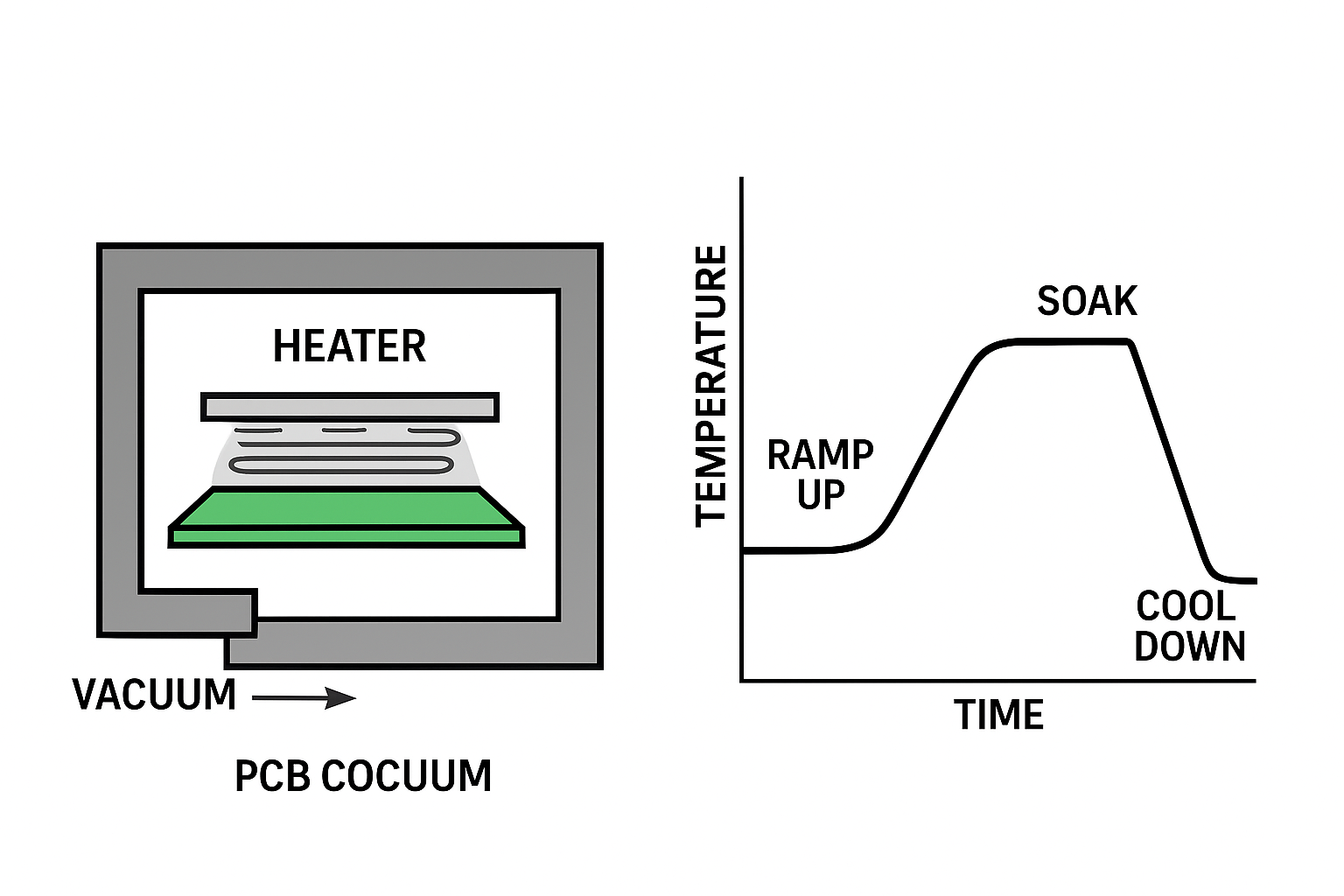
Reflow Cooling Rate: Why the Cooldown Zone Matters Cooling rate is the slope of the temperature curve after the peak, and it is the part of a reflow profile that receives the least attention. The heating zones are specified in detail while the cooldown is often left to whatever the…
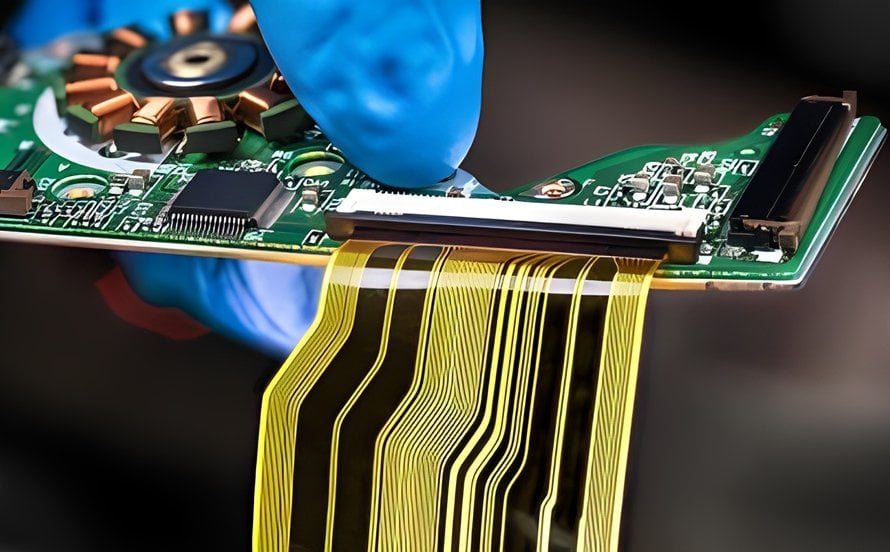
PCB Statement of Work Audit: From Prototype to Volume Production Buyers and engineers often focus on the finished product and forget the production line behind it. In practice, most field failures can be traced back to process decisions made during assembly. Understanding PCB statement of work audit gives you a…
Resin Starved Laminates: 7 Rules Against Fiber Show and Dry Spots A resin starved panel is one where there is not enough resin to fill the space between the glass fibres and around the copper features. The first sign is usually visual: the weave of the glass becomes visible through…
Crazing in Solder Mask and Laminate: 6 Causes and Controls Crazing is a network of fine cracks that appears in a coating or in a laminate surface, usually with no single direction, so that the surface looks as though it has been shattered into small cells. Each crack is thin,…
Prepreg Gel Time Control for Multilayer Lamination: 6 Rules Prepreg is glass fabric that has been impregnated with a resin which has been advanced to a partly cured state, known as the B-stage. In that state the resin is dry enough to handle and reactive enough to melt, flow and…
PCB Statement of Work Cost: A Factory-Floor Review Buyers and engineers often focus on the finished product and forget the production line behind it. In practice, most field failures can be traced back to process decisions made during assembly. Understanding PCB statement of work cost gives you a practical advantage…
Copper Nodules in Plating: Sources and Prevention Rules A copper nodule is a raised bump in an electroplated deposit, typically a tenth of a millimetre across and sometimes larger, that stands above the surrounding copper. It is created when a foreign particle sits on the surface and receives more current…
Solder Mask Orange Peel and Blooming: Causes and Fixes Orange peel is a fine, regular dimpling of the cured solder mask surface that resembles the skin of a citrus fruit. Blooming is a milky or hazy discolouration that appears after cure and often grows worse with time or with a…
Induction Soldering for Localised Heating: 7 Process Rules Induction soldering heats the metal itself rather than a tool that then touches the metal. An alternating current in a coil produces a changing magnetic field, the field induces eddy currents in the workpiece, and the resistance of the workpiece converts those…
Disturbed Joint: Movement While Solder Solidifies A disturbed joint is one that was mechanically moved while the alloy was still partly liquid, so the surface has frozen in a rippled, grainy or stepped condition instead of the smooth concave shape a good fillet should have. The defect is created in…