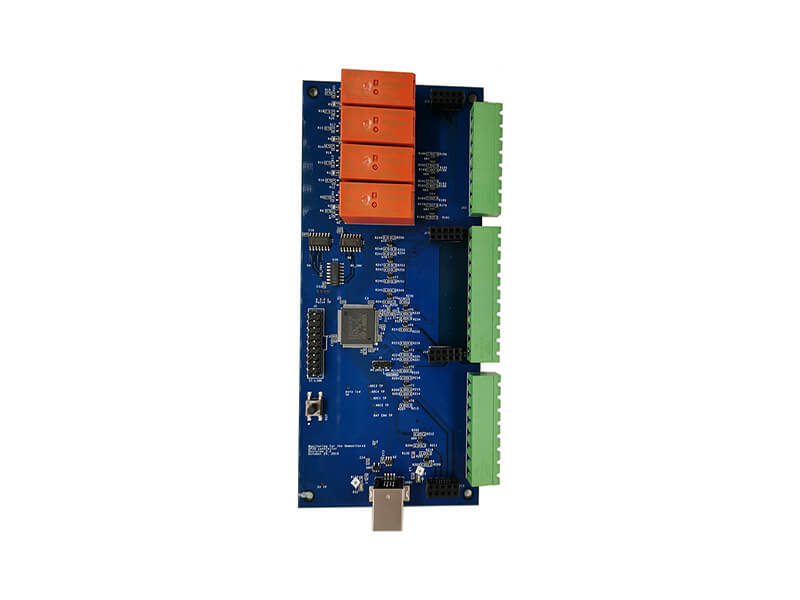
Copper Foil Pinholes: Catching Them Before Lamination A copper foil pinhole is a small perforation through the rolled sheet, usually a few micrometres across, that survives lamination and becomes a break in a conductor. On an inner layer it can leave an open trace after etching; on an outer layer…
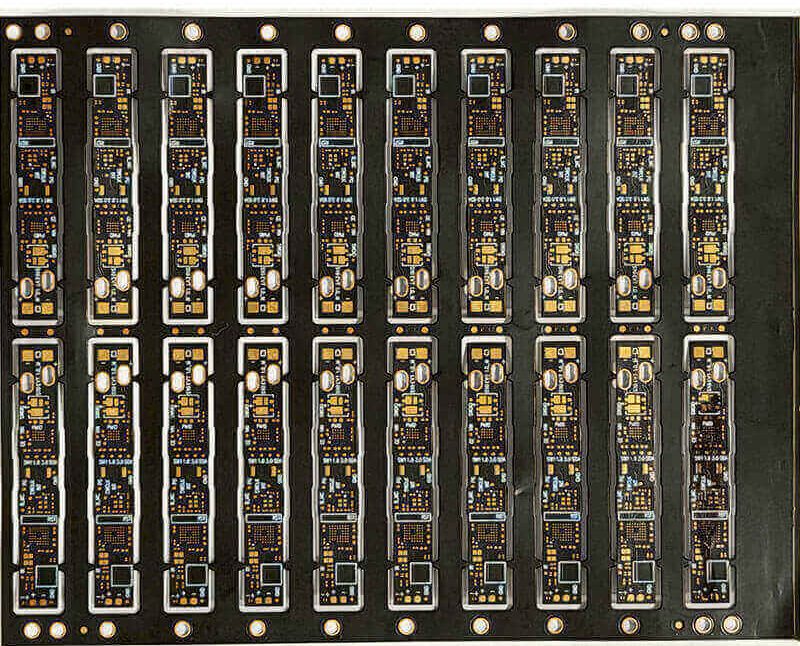
PCB Scrap Plan: Laying It Out First: Key Process and Quality Checks Modern electronics depend on boards that are assembled correctly the first time. Every product – a phone, a charger, a medical instrument or an industrial controller – relies on thousands of solder joints that must conduct current for…
PCB Board Support Tooling: 6 Rules for Printing and Reflow Board support is the system that holds a panel flat while it is printed, populated and reflowed. On a thick, small board it is almost unnecessary; on a thin panel with a large area, the lack of it shows up…
Vacuum Printing: Filling Small Apertures From Below Vacuum printing applies a pressure difference across the stencil so that paste is pushed into the aperture from above and pulled into it from below at the same time. The vacuum is applied through the support under the board, and it acts during…
PCB Plasma Treatment: 6 Controls That Raise Surface Energy Plasma treatment exposes a board to an ionised gas that reacts with whatever is on the surface, removing organic contamination and leaving chemically active groups behind. The result is a surface with higher energy that wets, bonds and plates more reliably…
PCB Scrap Data: What the Numbers Say: From Design to Repeatable Production Modern electronics depend on boards that are assembled correctly the first time. Every product – a phone, a charger, a medical instrument or an industrial controller – relies on thousands of solder joints that must conduct current for…
Component Loss on SMT Lines: 5 Accounting Rules Component loss is the difference between the parts issued to a placement line and the parts that leave it on shipped boards. On a dense product the number is small in percentage terms and large in absolute terms, because a board can…
SMT Feeder Setup: 6 Checks That Stop Placement Errors Feeder setup is the part of SMT preparation that gets the least attention and causes a large share of placement defects. A feeder that is loaded slightly forward of the pick position, or a tape that sits a fraction of a…
Tack Time: How Long Paste Holds Components in Place Tack time is the period during which a printed paste deposit is sticky enough to hold a component after placement. It begins when the board leaves the printer and it ends when the paste can no longer resist the small forces…
Solder Bar Purity: 5 Checks Before the Pot Solder bar purity is the freedom of the incoming alloy from elements that raise its melting range, thicken the dross layer or embrittle the joint. A bar can match its nominal composition and still carry enough copper, iron or antimony to change…