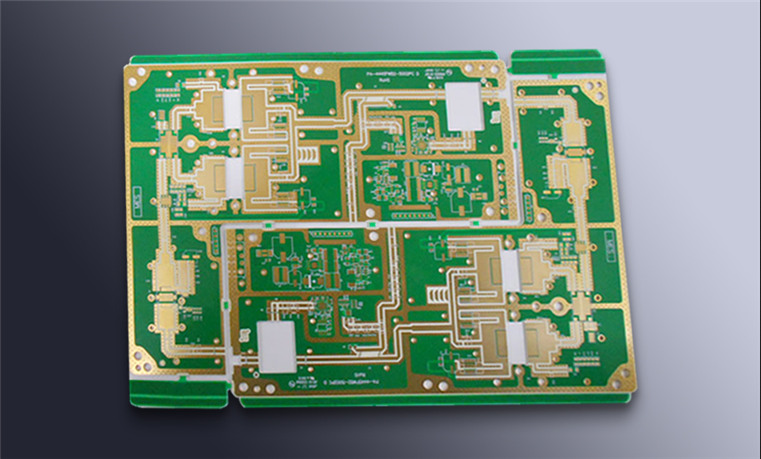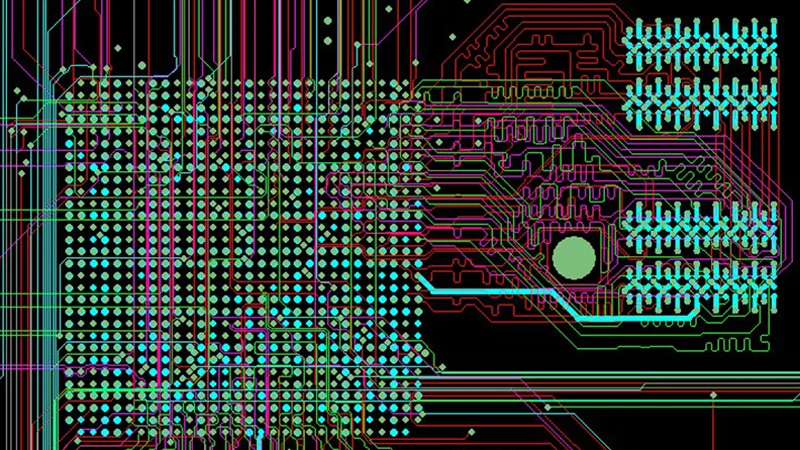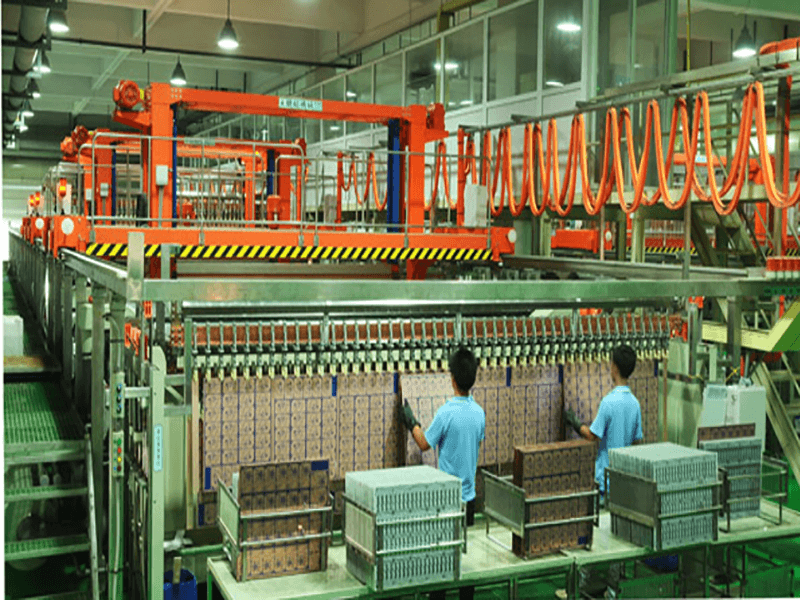
Obsolescence: Preparation, Placement and Process Control Every component on a board has a life that is decided by its maker rather than by the product it sits in. A part that is perfectly good in service can be discontinued because the wafer fab moved on, the package fell out of…
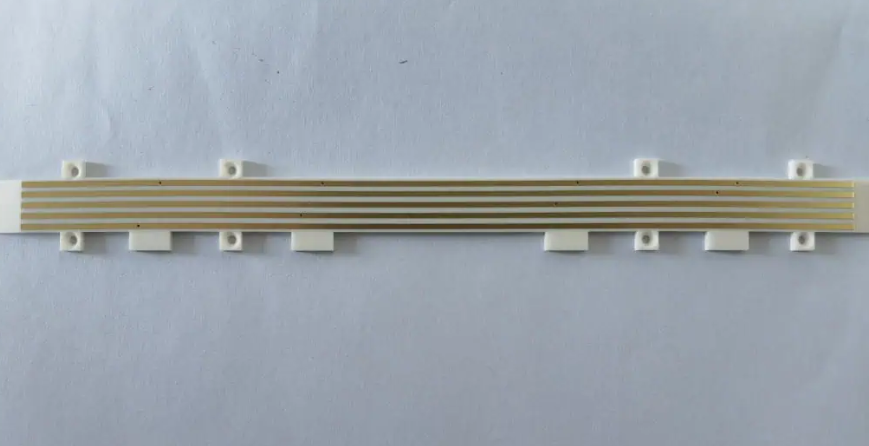
Wave Solder Pallet: Design Rules and Process Limits Wave soldering a board with parts on the solder side usually means a pallet. The pallet holds the assembly, masks the areas that must stay dry and carries the board through preheat, the wave and cooling as a rigid unit. Because it…
BGA Rework with Local Heating A ball grid array is removed and replaced with local heat, and the difficulty is that the joint is underneath the package and the heat has to pass through the package to reach it. Every parameter is a compromise between reaching the joint and protecting…
Zinc Whisker Risk in Tin Plated Components and Boards A whisker is a thin metal filament that grows out of a plated surface over months or years, and when it bridges two conductors it creates a short that is almost impossible to predict. Whiskers are a well known hazard in…
Creepage and Clearance Rules on Printed Circuit Boards Creepage and clearance are the two distances that keep a board from arcing, and they are among the most frequently missed requirements in a design review. They are not the same thing, they are not interchangeable with conductor width, and they depend…
Drill Machine Accuracy and Spindle Maintenance A drilling machine places a hole within a tolerance of the design position, and that tolerance is one of the inputs to the annular ring. The accuracy depends on the spindle, the machine calibration and the material handling, and each of the three is…
Grain Structure and Alloy Additives in Solder A small addition of a fourth element to a solder alloy changes the grain structure that forms when the joint solidifies, and the change is visible in the reliability rather than in the melting point. The additive is a process decision with a…
Panel Fiducial Design Fiducials are the marks a placement machine looks for to decide where the board actually is. They are small, cheap and completely unforgiving: if the vision system cannot find them reliably, the machine will place every part with an offset that no amount of program tuning can…
Fabrication Notes and Drawing Requirements Fabrication notes are the sentences on a drawing that carry the requirements the graphics cannot. They are short, they are read by the shop before the panel is made, and a missing one moves a decision from the designer to the process. What the Graphics…
PCB Oven Zone Plan: From Prototype to Volume Production Modern electronics depend on boards that are assembled correctly the first time. Every product – a phone, a charger, a medical instrument or an industrial controller – relies on thousands of solder joints that must conduct current for years. This article…