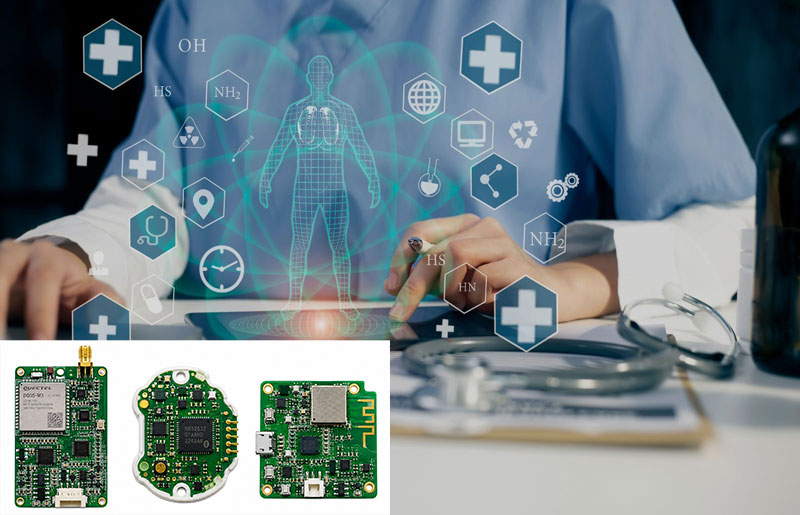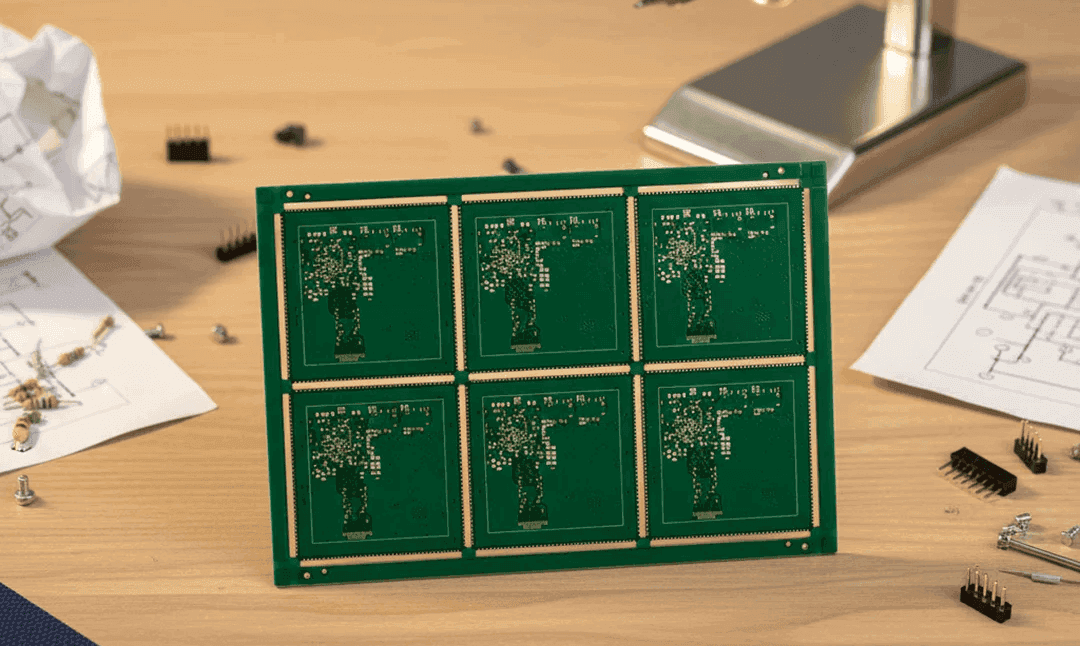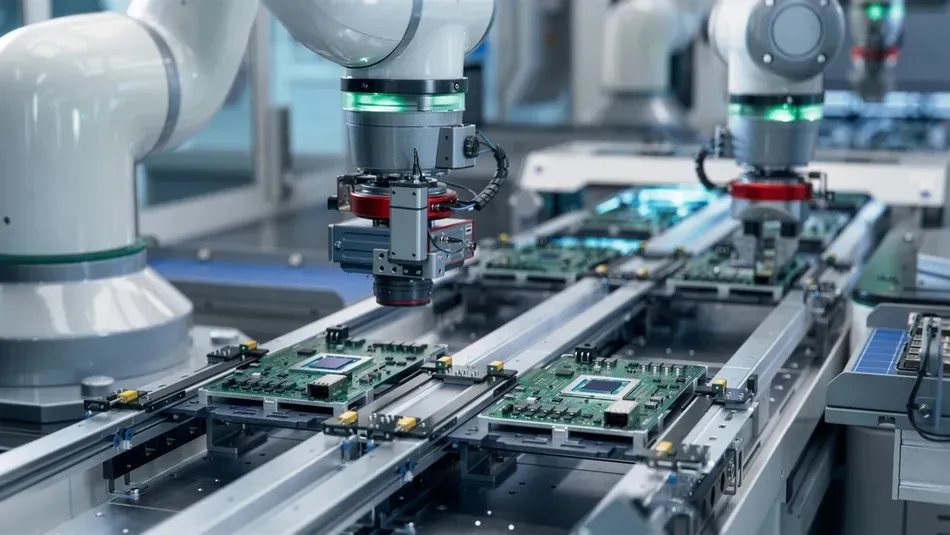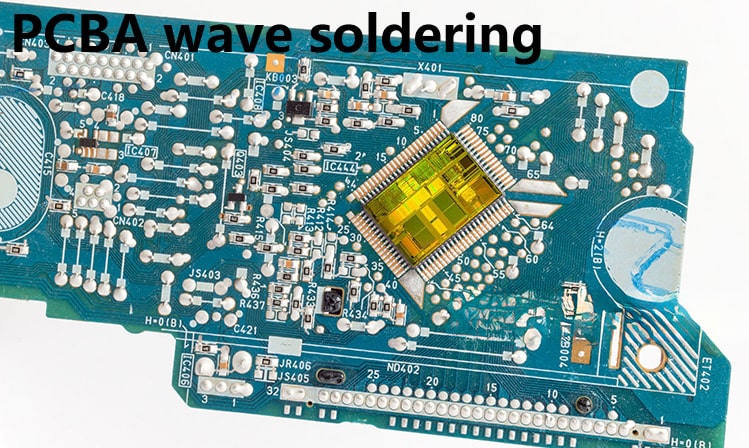
PCB Traceability Cost: A Practical Review for Manufacturing Teams Modern electronics depend on boards that are assembled correctly the first time. Every product – a phone, a charger, a medical instrument or an industrial controller – relies on thousands of solder joints that must conduct current for years. This article…

PCB Traceability Defects: What Matters on the Production Line Electronics manufacturing has become a discipline of small details. Solder paste volumes, placement accuracy, temperature profiles and inspection limits all add up to the final result. This guide looks at PCB traceability defects from the perspective of a PCBA factory floor,…
Solder Mask Thickness: Design Rules and Process Limits Solder mask is applied as a thin liquid coating, imaged and cured, and its thickness is one of the least examined parameters on a fabrication drawing. That is a mistake, because thickness decides how well the mask covers the copper it is…
PCB Fiducials for Vision Alignment: Size, Contrast and Placement A placement machine does not know where the board is. It knows where it thinks the board is, based on the fiducials it can see, and every subsequent placement is referenced to that measurement. Poor fiducials therefore produce a systematic offset…
Press Plate Flatness and Lamination Quality Control The press plate is the tool that transfers pressure and heat from the platens to the stack, and a plate that is not flat will not distribute either of them evenly. The result is a panel that is thinner in one area than…
ESD Safe Rework and Tool Grounding Rework is the point at which a board that has already survived the assembly process is most exposed to static damage. A soldering iron that is not properly grounded can inject charge into the joint it touches, a bench that has lost its mat…
PCB Traceability Training: A Factory-Floor Review Modern electronics depend on boards that are assembled correctly the first time. Every product – a phone, a charger, a medical instrument or an industrial controller – relies on thousands of solder joints that must conduct current for years. This article explains PCB traceability…
Adhesive Cure Verification on the Line An adhesive that looks cured may have reached a fraction of its strength. The cure is a chemical reaction that proceeds with time and temperature, and verifying it means measuring rather than touching. What the Schedule Controls The schedule sets the degree of cure,…
Support Tooling and Pallet Design in Assembly A board is a flexible sheet carrying rigid parts, and every process on the line applies a load to it. Printing presses the stencil against it, placement pushes components into paste, and the conveyor and the reflow oven apply heat and their own…
Copper Filled Via Reliability in Multilayer Boards A filled via is a plated hole that has been plugged with a conductive or non conductive material so that the surface can be used as a pad. The technique is what makes via in pad possible, and it is used on every…