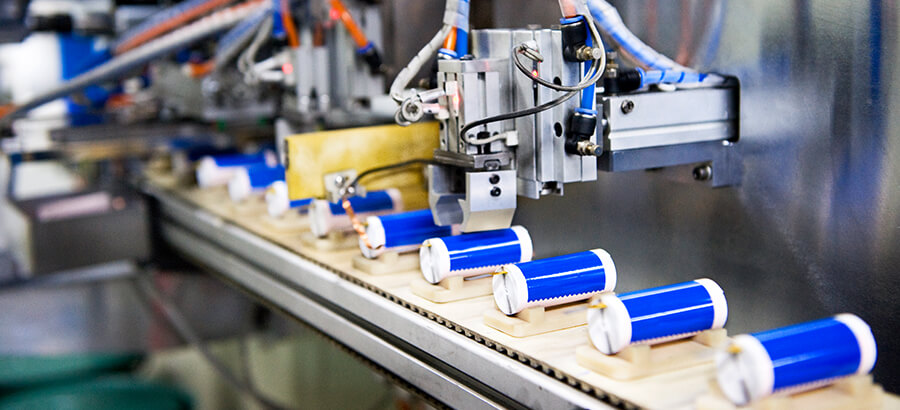
PCB Silkscreen Risks: From Design to Repeatable Production Buyers and engineers often focus on the finished product and forget the production line behind it. In practice, most field failures can be traced back to process decisions made during assembly. Understanding PCB silkscreen risks gives you a practical advantage when you…
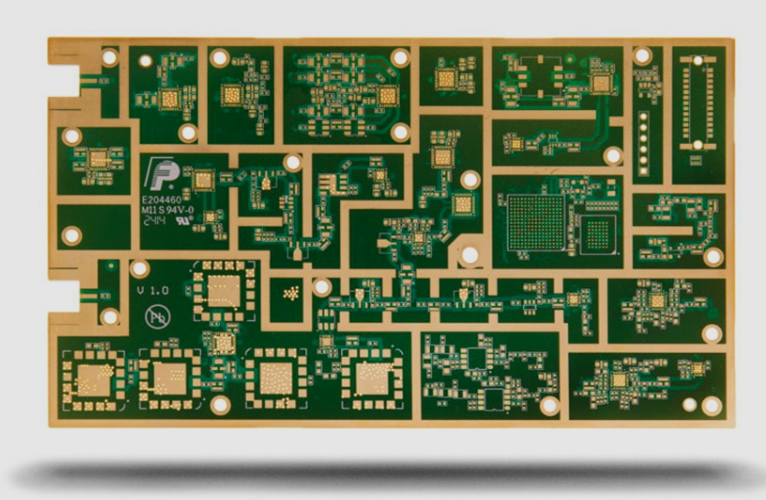
PCB Silkscreen Data: What Buyers and Engineers Should Check Buyers and engineers often focus on the finished product and forget the production line behind it. In practice, most field failures can be traced back to process decisions made during assembly. Understanding PCB silkscreen data gives you a practical advantage when…
Panel Fiducial and Tooling Strategy for PCB Assembly A placement machine finds the board by looking for marks printed on it. Those marks are fiducials, and the holes that locate the panel in the machine are tooling holes. Both belong to the design, and a board with poorly specified references…
Metal Core PCB Thermal Design A metal core board replaces the usual glass reinforced laminate with a metal base, normally aluminium, covered by a thin dielectric layer and the copper circuit. The construction takes the heat that a component generates and spreads it across the whole board area, which lowers…
Board Support and Backing Systems for Reliable SMT Assembly A printed circuit board is flat when it is manufactured and flexible when it is being processed. In a printer, a placement machine or a reflow oven the board is pushed, pressed and heated, and it will bend unless something holds…
PCB Silkscreen Limits: A Practical Review for Manufacturing Teams Electronics manufacturing has become a discipline of small details. Solder paste volumes, placement accuracy, temperature profiles and inspection limits all add up to the final result. This guide looks at PCB silkscreen limits from the perspective of a PCBA factory floor,…
PCB Silkscreen Maintenance: What Matters on the Production Line Electronics manufacturing has become a discipline of small details. Solder paste volumes, placement accuracy, temperature profiles and inspection limits all add up to the final result. This guide looks at PCB silkscreen maintenance from the perspective of a PCBA factory floor,…
PCB Silkscreen Setup: What Matters on the Production Line Modern electronics depend on boards that are assembled correctly the first time. Every product – a phone, a charger, a medical instrument or an industrial controller – relies on thousands of solder joints that must conduct current for years. This article…
Backdrilling: Preparation, Placement and Process Control Backdrilling is the controlled removal of the unused portion of a plated through hole. A via that runs the full thickness of a thick board leaves a stub below the layer where the signal joins, and at high frequency that stub behaves as a…
Cavity Board Design Guide A cavity board carries a recess in the laminate so that a component can sit below the surface, either to keep the overall height within a limit or to bring a sensor or an optical part closer to the outside face. The cavity is produced by…