Counterfeit Components: Preparation, Placement and Process Control Counterfeit components reach production through the same channels that supply legitimate parts, and they are most likely to appear when a device is scarce, when a part has gone obsolete, or when a price is offered that is well below the market. The…
Underfill Process Guide for PCB Assembly Underfill is a filled polymer that is dispensed beside a package and drawn under it by capillary action, where it locks the solder joints to the board and spreads the strain that thermal cycling would otherwise concentrate on the outermost balls. It is used…
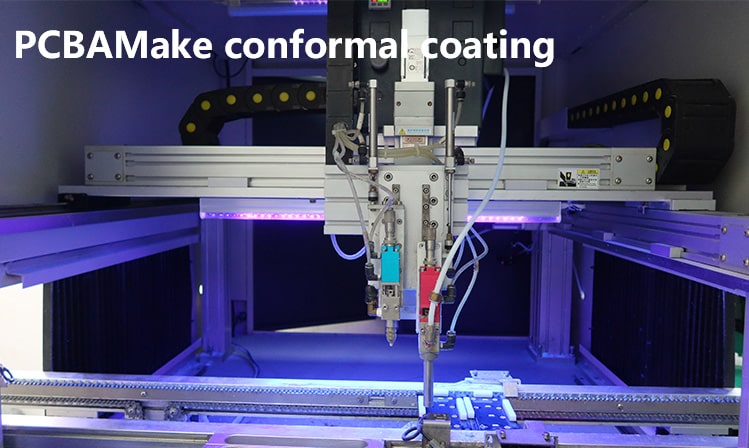
Conformal Coating Defects and Prevention Conformal coating protects a board against moisture, contamination and ions that would otherwise promote corrosion and electrochemical migration. The coating only works if it is continuous and adherent, and most defects are not caused by the coating material itself but by the state of the…
PCB Lamination Limits: What Buyers and Engineers Should Check Buyers and engineers often focus on the finished product and forget the production line behind it. In practice, most field failures can be traced back to process decisions made during assembly. Understanding PCB lamination limits gives you a practical advantage when…
PCB Lamination Maintenance: What Buyers and Engineers Should Check Modern electronics depend on boards that are assembled correctly the first time. Every product – a phone, a charger, a medical instrument or an industrial controller – relies on thousands of solder joints that must conduct current for years. This article…
PCB Lamination Data: From Design to Repeatable Production Modern electronics depend on boards that are assembled correctly the first time. Every product – a phone, a charger, a medical instrument or an industrial controller – relies on thousands of solder joints that must conduct current for years. This article explains…
Selective Soldering Process Control Selective soldering fills the gap between reflow and hand soldering. It is used where a board carries a small number of through hole parts that cannot survive a reflow oven, or where the thermal mass of a connector makes a wave impractical. The process is slower…
Reflow Cooling Rate Control: Why the Down Slope Matters The reflow profile is usually drawn with most of its detail on the way up: ramp rate, soak, peak and time above liquidus. The down slope gets whatever remains of the oven, and yet the way a joint cools decides much…
PCB Lamination Training: A Practical Review for Manufacturing Teams Electronics manufacturing has become a discipline of small details. Solder paste volumes, placement accuracy, temperature profiles and inspection limits all add up to the final result. This guide looks at PCB lamination training from the perspective of a PCBA factory floor,…
PCB Lamination Setup: Process Details and Inspection Points Modern electronics depend on boards that are assembled correctly the first time. Every product – a phone, a charger, a medical instrument or an industrial controller – relies on thousands of solder joints that must conduct current for years. This article explains…