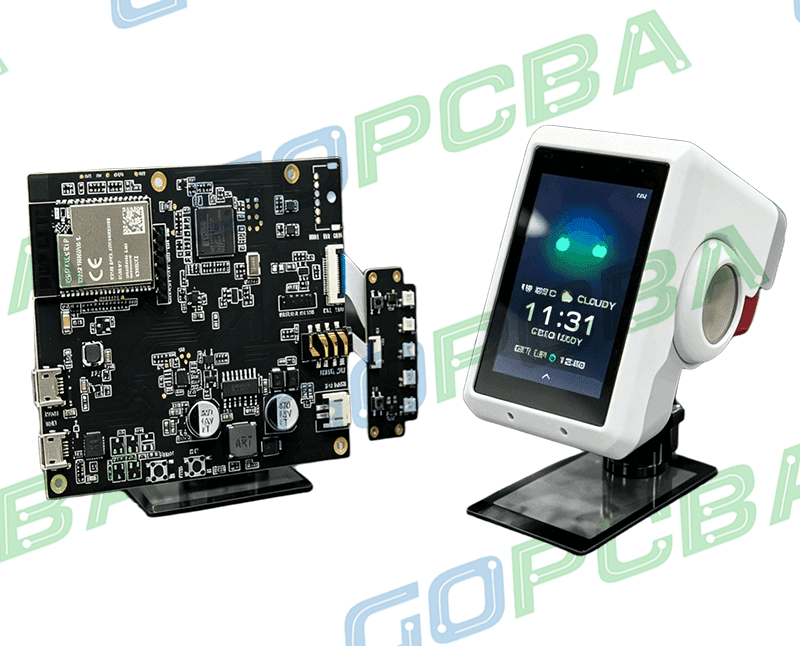
PCB SPI Sample: Checking a Small Piece: What Matters on the Production Line Electronics manufacturing has become a discipline of small details. Solder paste volumes, placement accuracy, temperature profiles and inspection limits all add up to the final result. This guide looks at PCB SPI sample from the perspective of…
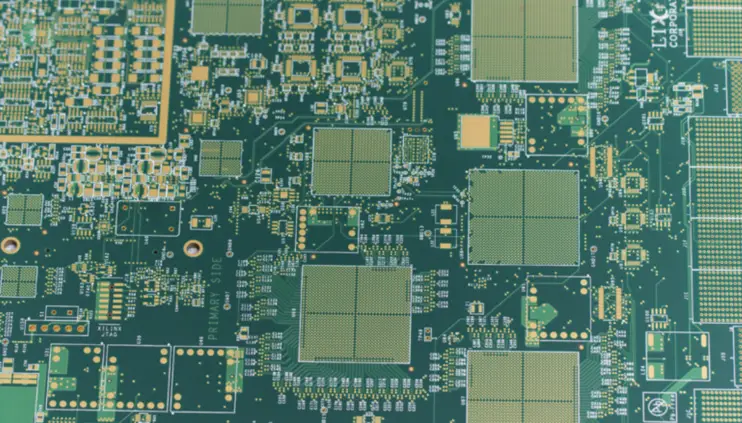
Glass Fabric Selection and Its Effect on PCB Laminates A laminate is a sandwich of glass fabric and cured resin, and the fabric is the part that most designers never consider. The weave style, the yarn count and the amount of resin around the glass determine the thickness, the mechanical…
Hatch Plane Design On PCB Layers A hatch plane is a copper area filled with a grid of lines rather than with solid copper. It carries the same net as a solid plane and it is connected the same way, but the material is removed in a regular pattern, which…
PCB SPI Risks: What Could Go Wrong: Key Process and Quality Checks Modern electronics depend on boards that are assembled correctly the first time. Every product – a phone, a charger, a medical instrument or an industrial controller – relies on thousands of solder joints that must conduct current for…
PCB X Ray Inspection Checklist: From Prototype to Volume Production Electronics manufacturing has become a discipline of small details. Solder paste volumes, placement accuracy, temperature profiles and inspection limits all add up to the final result. This guide looks at PCB X ray inspection checklist from the perspective of a…
PCB SPI Review: A Second Look: From Prototype to Volume Production Buyers and engineers often focus on the finished product and forget the production line behind it. In practice, most field failures can be traced back to process decisions made during assembly. Understanding PCB SPI review gives you a practical…
PCB X Ray Inspection Problems: From Prototype to Volume Production Electronics manufacturing has become a discipline of small details. Solder paste volumes, placement accuracy, temperature profiles and inspection limits all add up to the final result. This guide looks at PCB X ray inspection problems from the perspective of a…
Automation: Design Rules and Process Limits Automation in a board shop is usually justified as labour saving, and that is rarely where most of the benefit comes from. The larger effects are consistency and yield. A machine that performs the same motion every time removes the variation between shifts, and…
Copper Surface Finish Selection For PCBs The surface finish on a printed circuit board is the thin layer between the copper and everything that happens to it afterwards: the storage, the solder, the connector contact, the probe and the coating. It is chosen for the assembly process, but it also…
Labour Productivity in PCB Manufacturing Labour productivity is the output a shop achieves per hour of labour, and it is a useful measure only when the output is defined carefully. Counting panels per hour rewards the shop for making simple boards and penalises it for difficult ones, which is the…