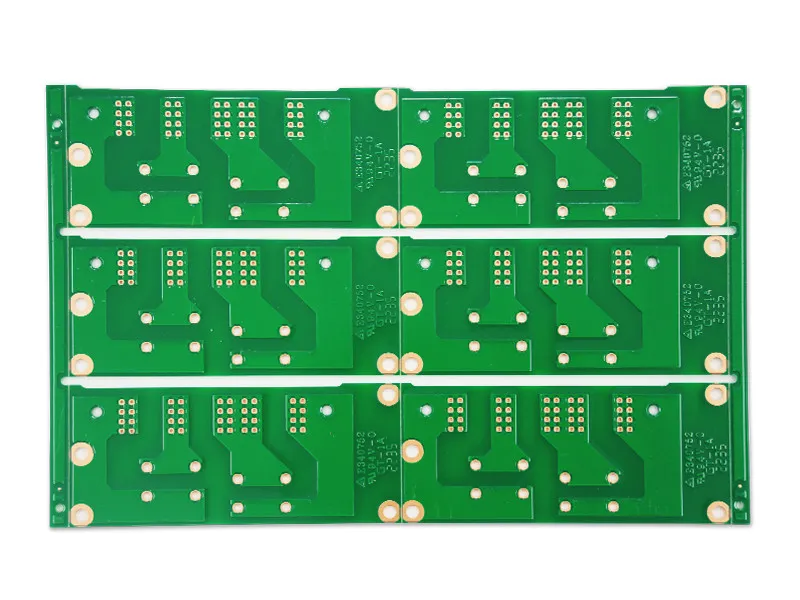
Inner Layer Registration: Scaling, Tooling and Annular Ring Every layer in a multilayer board is imaged on its own sheet of copper, and every sheet changes size during the processes that follow. The artwork is therefore scaled before imaging, so that the pattern arrives at the right size after the…
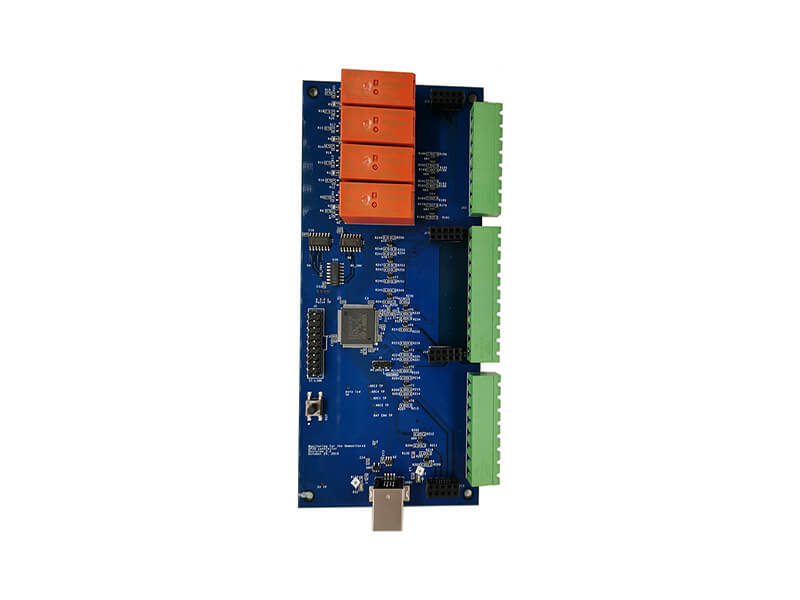
Edge Plating and Gold Fingers: Process and Design Edge plating places metal on the side wall of a printed circuit board, either as a continuous ground connection or as a gold contact surface for an edge connector. Both are used to remove a connector, to improve shielding or to make…
Solder Resist Ink Selection for High Reliability Boards Solder resist is the thin polymer layer that decides where solder may flow, and it is also the layer that protects the copper from moisture, contamination and mechanical damage for the whole life of the product. On an automotive controller or a…
Backdrilling: Removing the Via Stub to Recover Signal Integrity A via that connects the top layer to an inner layer leaves a length of plated barrel below the connection. That leftover barrel is a via stub, and at high frequency it behaves as a resonant transmission line branch that pulls…
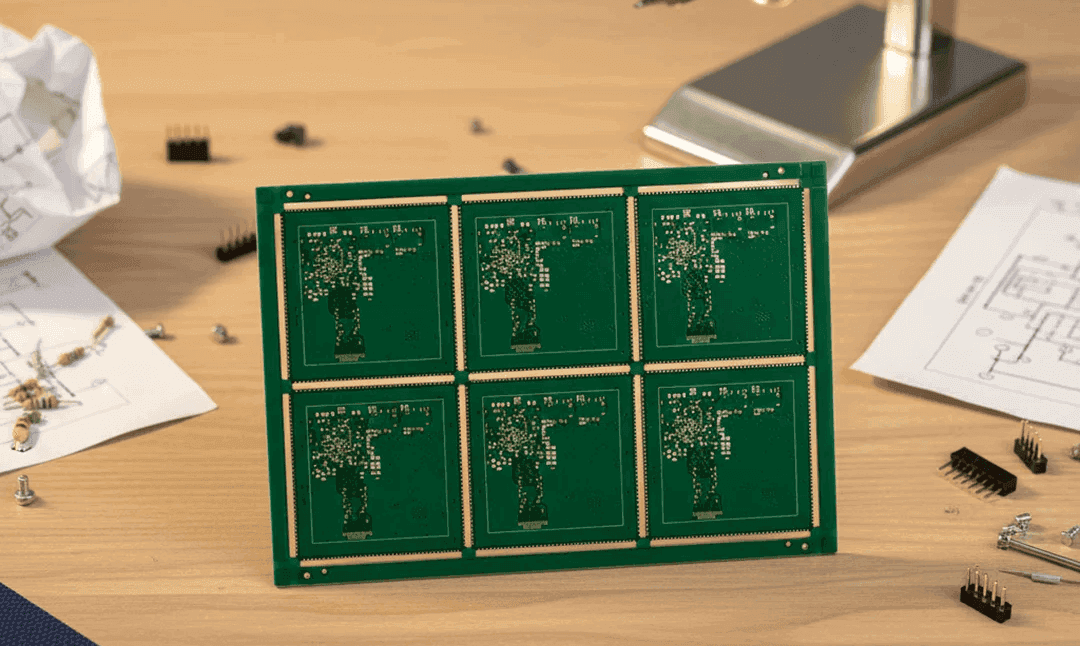
Castellated Holes: Design Rules and Process Limits Castellated holes are plated holes cut in half along the edge of a board so that the remaining semicircle can be soldered to a parent board, a technique used by almost every radio module, sensor module and power module on the market. The…
Accelerometer Mounting and PCB Design A MEMS accelerometer reports the motion of the package it is soldered into, which means it measures the board as much as the machine. Everything the board does under vibration, from flexing in the middle to ringing at a mounting screw, appears in the output…
Thermally Separated Metal Core PCBs for Power Electronics An aluminium backed board is an efficient way to remove heat from a power component, but it has a weakness. The dielectric layer that insulates the circuit from the metal base is thin and is a much poorer conductor than the aluminium,…
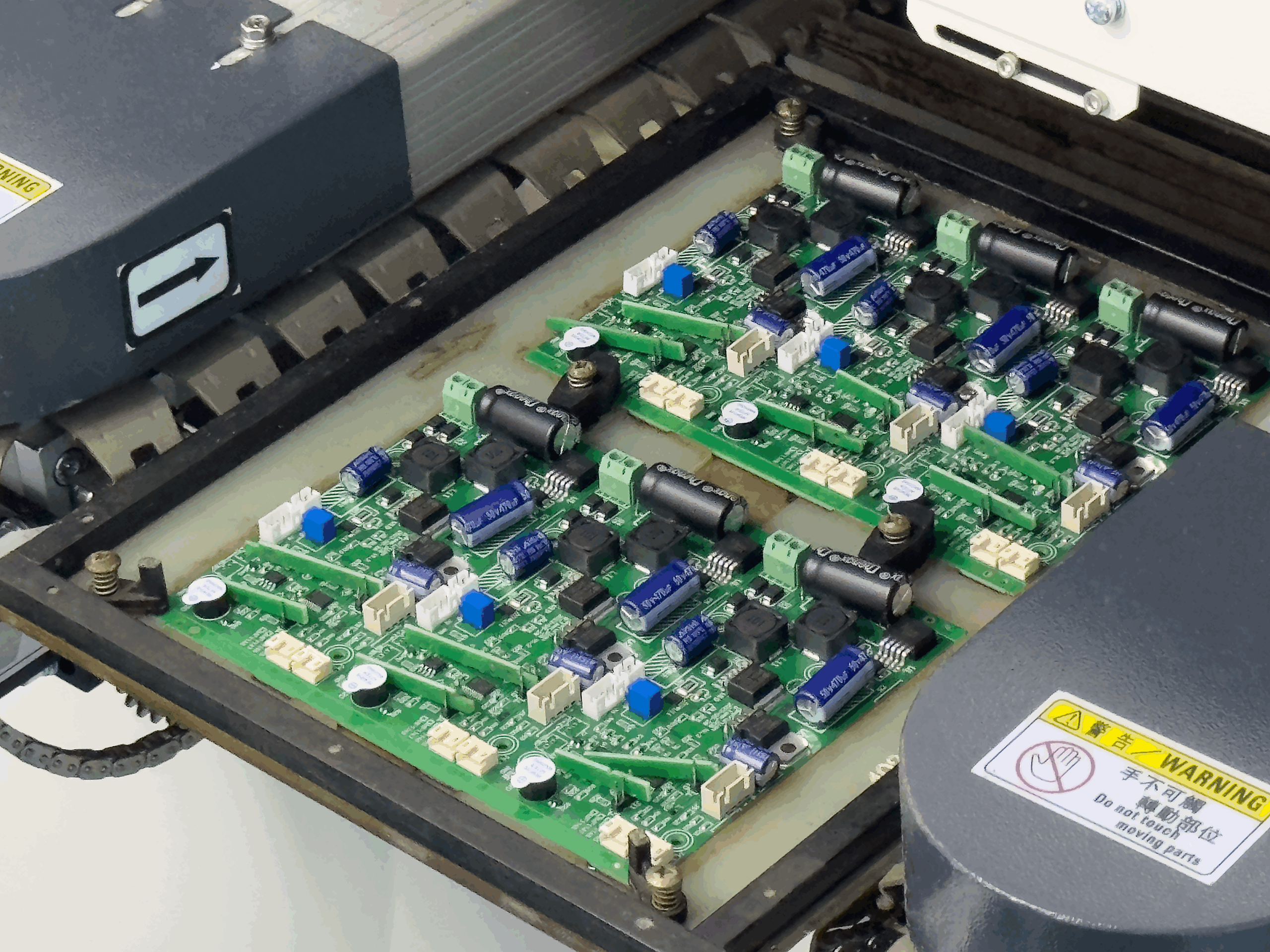
PCB Directional Coupler: Key Process and Quality Checks Modern electronics depend on boards that are assembled correctly the first time. Every product – a phone, a charger, a medical instrument or an industrial controller – relies on thousands of solder joints that must conduct current for years. This article explains…
Skills For High Speed Design: Seven Areas That Matter High speed design is often described as a set of rules to memorise, which makes it sound harder than it is. The rules exist because the interconnect behaves as a transmission line, and once that idea is understood the rules become…
Conductive Anodic Filament: Design Rules and Process Limits A board that passes every inspection and every electrical test can still fail in the field from a mechanism that grows after it is installed. Conductive anodic filament is the name for that mechanism, and it is worth understanding because its symptoms…