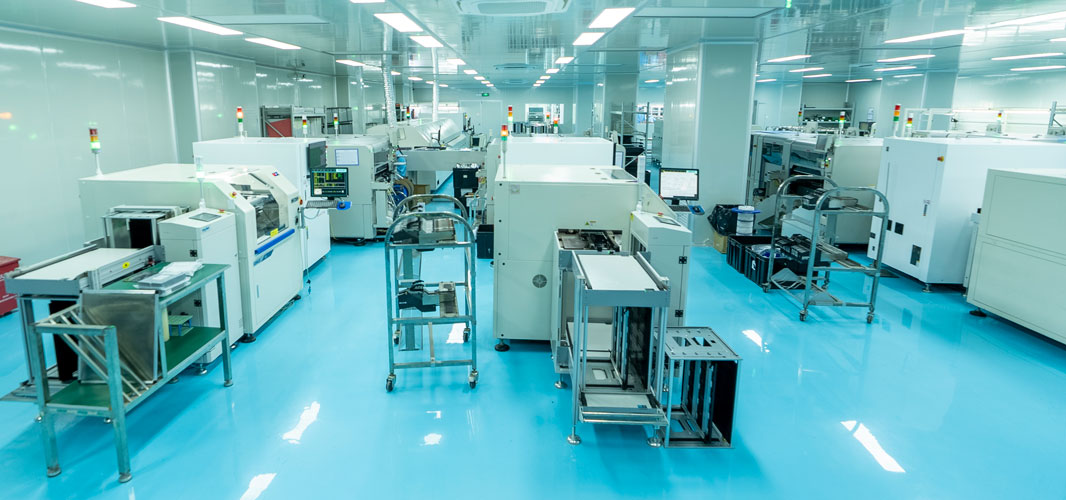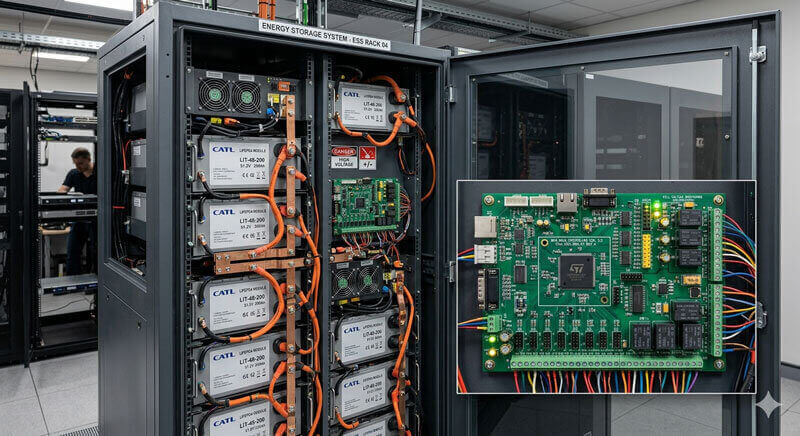
PCB LED Light Output Measurement: A Practical Manufacturing Guide Electronics manufacturing has become a discipline of small details. Solder paste volumes, placement accuracy, temperature profiles and inspection limits all add up to the final result. This guide looks at PCB LED light output measurement from the perspective of a PCBA…
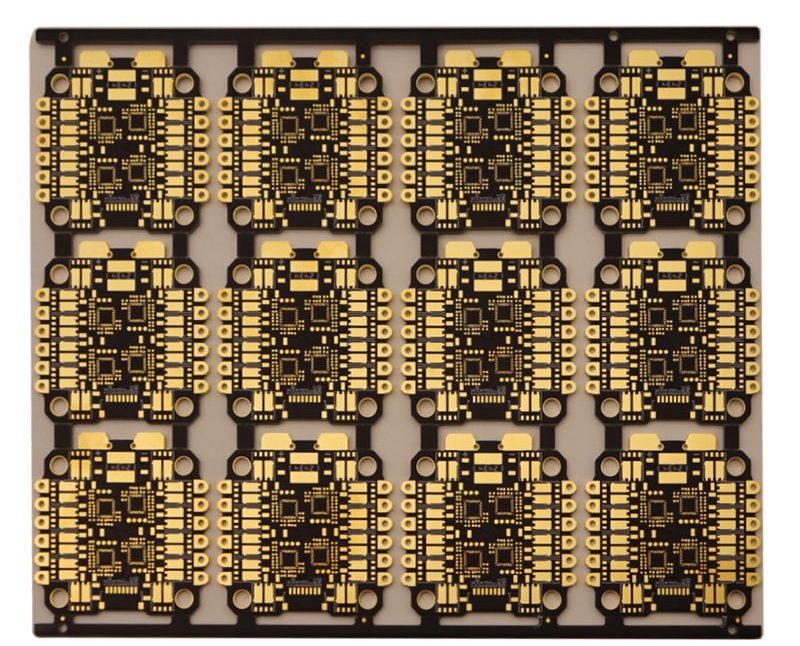
High-Density Multilayer PCB: Why Fabrication Gets Harder A high-density multilayer PCB is not simply a board with more layers. It is a product where the substrate, the layer-to-layer connection, the copper finish, and the inspection plan all have to be right at the same time, and where a defect in…
High-Speed PCB Layout Rules That Actually Matter Most high-speed PCB layout problems do not come from a single trace. They come from the interaction between circuits that were each designed correctly on their own but were never separated on the board. The rules below are the ones that recur in…
Standard PCB vs HDI PCB: Process Capability Compared Process capability is the set of minimum features a fabricator can produce reliably, and it is the number that decides what a design can contain. A conventional board built with mechanical drilling and standard etching sits at one end of that scale;…
MRI PCB Design: Low Noise, Channel Count and Reliability Magnetic resonance imaging is one of the most demanding electronic environments in medical equipment. The magnet is always on, the gradient coils switch hundreds of amps in milliseconds, the radio frequency transmitter puts kilowatts into the bore, and the receiver is…
PCB LED Thermal Pad Design: Getting the Heat Out of the Die An LED converts only part of its input into light, and the rest becomes heat inside a very small die. That heat has to leave through the package, the solder joint and the thermal pad beneath it. If…
PCB LED Binning: What Matters on the Production Line Buyers and engineers often focus on the finished product and forget the production line behind it. In practice, most field failures can be traced back to process decisions made during assembly. Understanding PCB LED binning gives you a practical advantage when…
PCB LED Thermal Testing: From Prototype to Volume Production Electronics manufacturing has become a discipline of small details. Solder paste volumes, placement accuracy, temperature profiles and inspection limits all add up to the final result. This guide looks at PCB LED thermal testing from the perspective of a PCBA factory…
PCB LED Driver Layout: Key Process and Quality Checks Buyers and engineers often focus on the finished product and forget the production line behind it. In practice, most field failures can be traced back to process decisions made during assembly. Understanding PCB LED driver layout gives you a practical advantage…
FPC Process Capability: Limits of Flexible Boards Every fabricator publishes a capability sheet, and every experienced designer knows that the numbers on it describe what is possible rather than what is economic. On a flexible printed circuit the gap between the two is wider than on a rigid board, because…