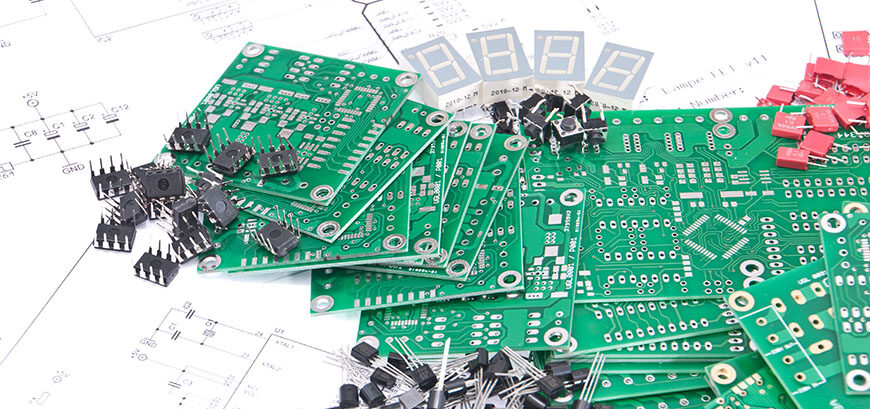
Crosstalk Control in Mixed-Signal PCB Design A digital net can tolerate a surprising amount of interference. A three volt logic input that receives a few hundred millivolts of coupled noise still reads the correct state, and the design works. An analogue net in the same product may be carrying a…
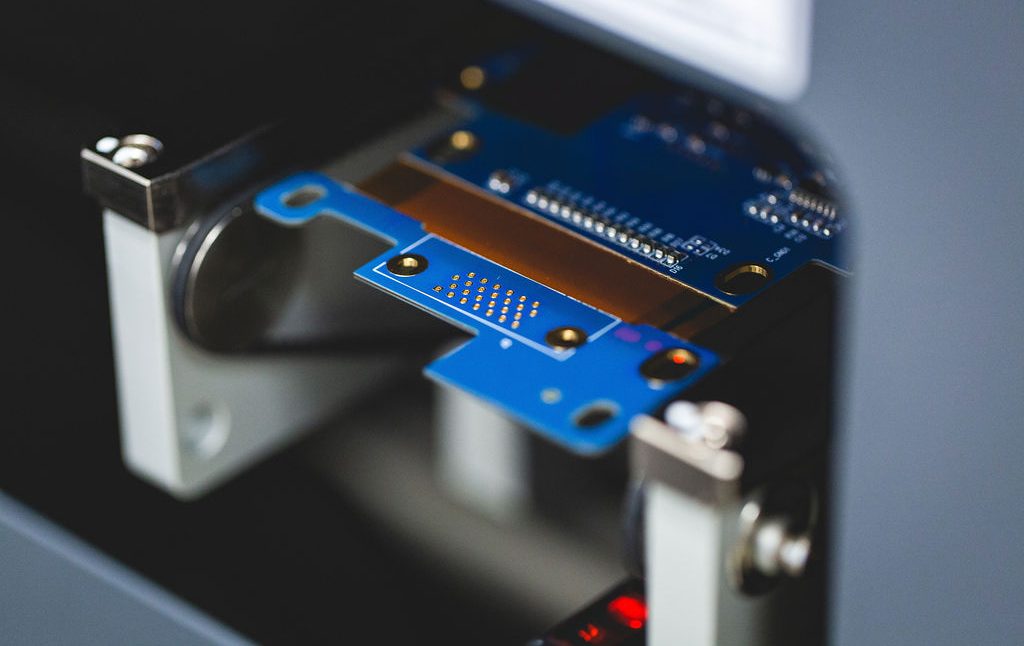
Buried Via, Blind Via and Through Via: Choosing PCB Via Types Every via makes a hole in a board, but not every hole is made the same way or costs the same amount. A through via passes from the top face to the bottom and is drilled after lamination, while…
PCB Underfill Application: Filling Under the Part Buyers and engineers often focus on the finished product and forget the production line behind it. In practice, most field failures can be traced back to process decisions made during assembly. Understanding PCB underfill application gives you a practical advantage when you choose…
PCB Dam and Fill Encapsulation: Practical Process Controls Electronics manufacturing has become a discipline of small details. Solder paste volumes, placement accuracy, temperature profiles and inspection limits all add up to the final result. This guide looks at PCB dam and fill encapsulation from the perspective of a PCBA factory…
PCB Glob Top Encapsulation: Practical Process Controls Buyers and engineers often focus on the finished product and forget the production line behind it. In practice, most field failures can be traced back to process decisions made during assembly. Understanding PCB glob top encapsulation gives you a practical advantage when you…
PCB Chip on Board Process: From Design to Repeatable Production Electronics manufacturing has become a discipline of small details. Solder paste volumes, placement accuracy, temperature profiles and inspection limits all add up to the final result. This guide looks at PCB chip on board process from the perspective of a…
PCB Ultrasonic Welding of Joints: From Design to Repeatable Production Modern electronics depend on boards that are assembled correctly the first time. Every product – a phone, a charger, a medical instrument or an industrial controller – relies on thousands of solder joints that must conduct current for years. This…
PCB Gold Plating Types: ENIG, Hard Gold and Thickness Gold appears on a printed circuit board for two reasons, and they rarely coexist. One is chemistry: a thin, dense gold layer over nickel keeps copper from oxidising and preserves a solderable or wire bondable surface for months. The other is…
PCB Cable Assembly: Crimp, Strain Relief and Routing Practice Most products do not end at the edge of the board. A PCB cable assembly joins the circuit to the outside world, and it usually carries the signals that are least forgiving: the power feed, the differential pair that runs to…
High Temperature PCB Manufacturing: Materials and Process Building a board that has to work at 200 degrees Celsius is not simply a matter of buying a better laminate. It changes the lamination cycle, the drilling parameters, the plating chemistry, the solder mask, the surface finish and the amount of testing…