24 Tips for Noise Reduction and EMI Control in PCB Design Noise control on a board is not a single technique; it is a collection of small decisions that each remove one path for energy to travel. Every one of them closes a route by which electromagnetic interference leaves the…
PCB Membrane Switch Design: Practical Process Controls Electronics manufacturing has become a discipline of small details. Solder paste volumes, placement accuracy, temperature profiles and inspection limits all add up to the final result. This guide looks at PCB membrane switch design from the perspective of a PCBA factory floor, covering…
PCB Flexible Circuit Adhesive: What Holds the Layers Together Modern electronics depend on boards that are assembled correctly the first time. Every product – a phone, a charger, a medical instrument or an industrial controller – relies on thousands of solder joints that must conduct current for years. This article…
EMC Test Items Explained: What Each Test Applies to a Product Every product that is sold into a regulated market is measured against a list of disturbances, and the list is fixed well before the design starts. Knowing what each item applies to the product, and how it stresses the…
PCB Flex Circuit Stiffener Bonding: What Buyers and Engineers Should Check Buyers and engineers often focus on the finished product and forget the production line behind it. In practice, most field failures can be traced back to process decisions made during assembly. Understanding PCB flex circuit stiffener bonding gives you…
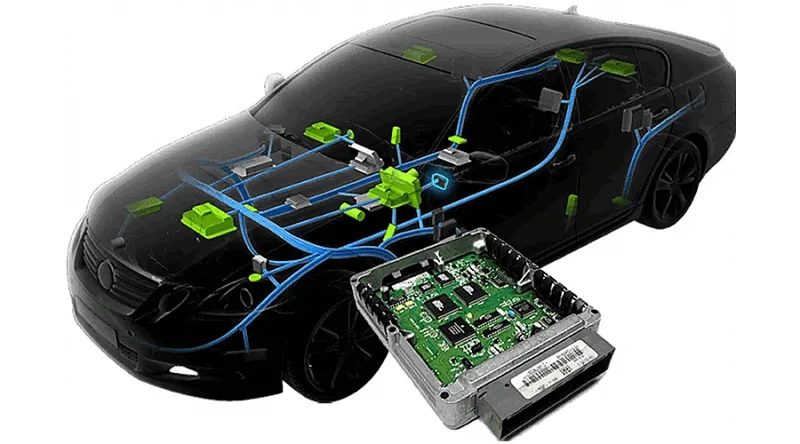
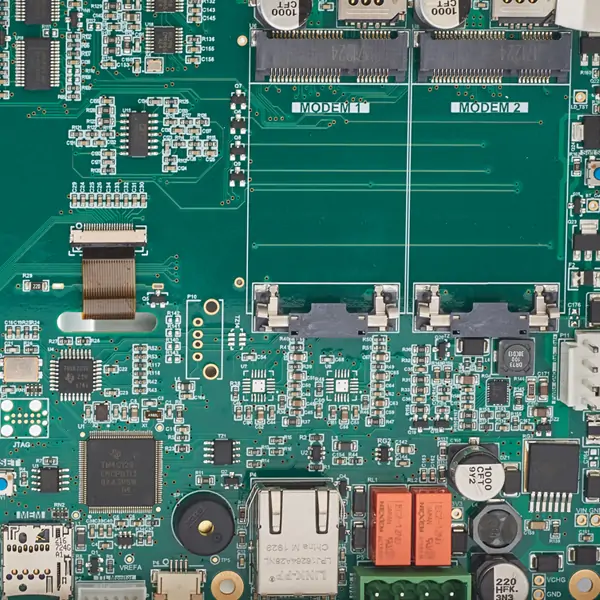
Control Board PCB Design Principles for Noise Immunity A control board is a small computer surrounded by the things it controls, and its reliability depends on how well the layout keeps the noisy parts of that arrangement away from the sensitive ones. The rules are not complicated, and most of…
PCB Rigid Flex Bend Test: Design, Process, and Quality Notes Modern electronics depend on boards that are assembled correctly the first time. Every product – a phone, a charger, a medical instrument or an industrial controller – relies on thousands of solder joints that must conduct current for years. This…
PCB Edge Bonding for Flex: A Practical Manufacturing Guide Modern electronics depend on boards that are assembled correctly the first time. Every product – a phone, a charger, a medical instrument or an industrial controller – relies on thousands of solder joints that must conduct current for years. This article…
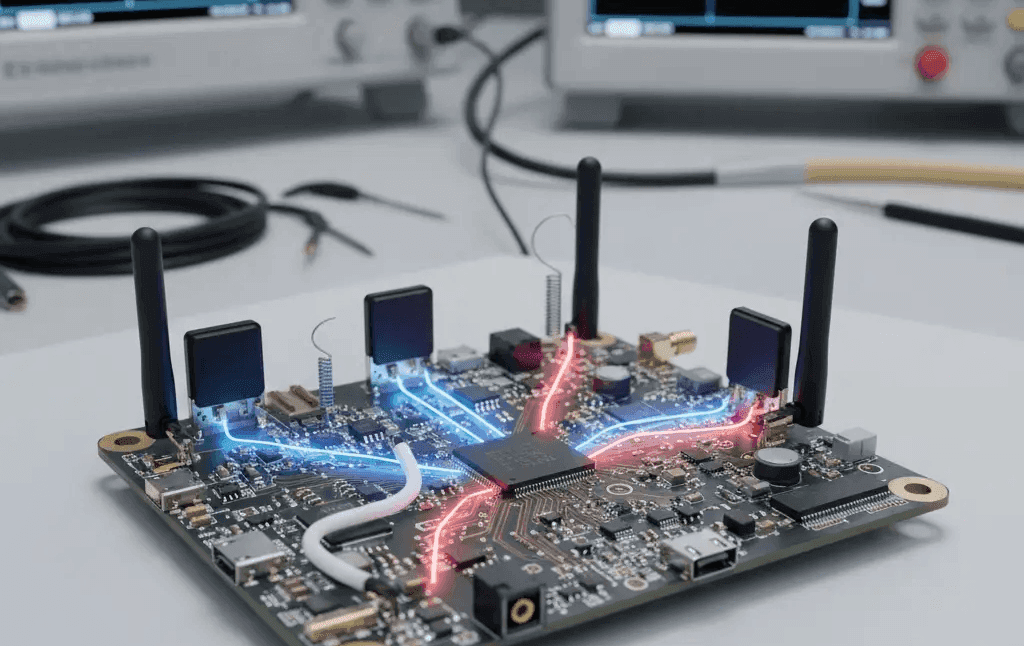
PCB EMC Problems: Finding the EMI Source and the Coupling Path When a product fails an EMC test, the temptation is to reach for the enclosure and the cables first and start wrapping. That approach sometimes works and never explains itself, and it produces a product whose compliance depends on…
PCB Underfill Flow Time: Design and Assembly Considerations Electronics manufacturing has become a discipline of small details. Solder paste volumes, placement accuracy, temperature profiles and inspection limits all add up to the final result. This guide looks at PCB underfill flow time from the perspective of a PCBA factory floor,…