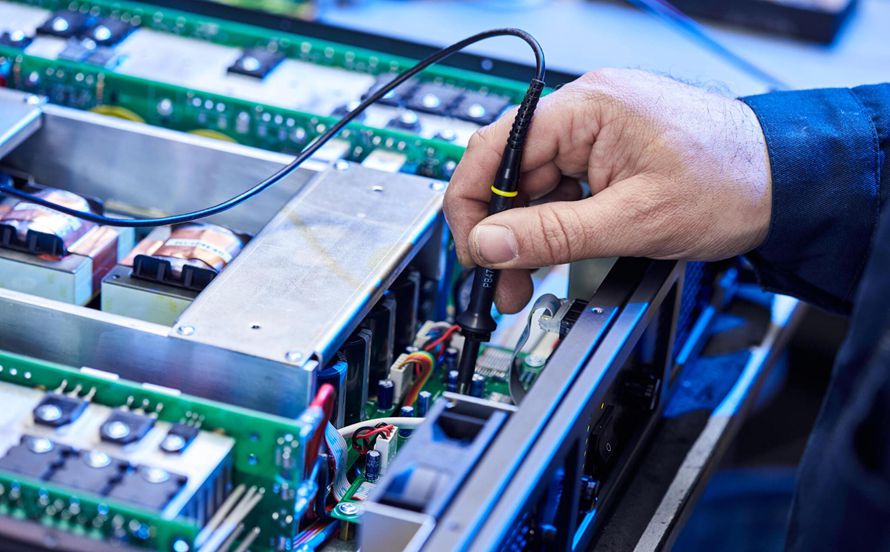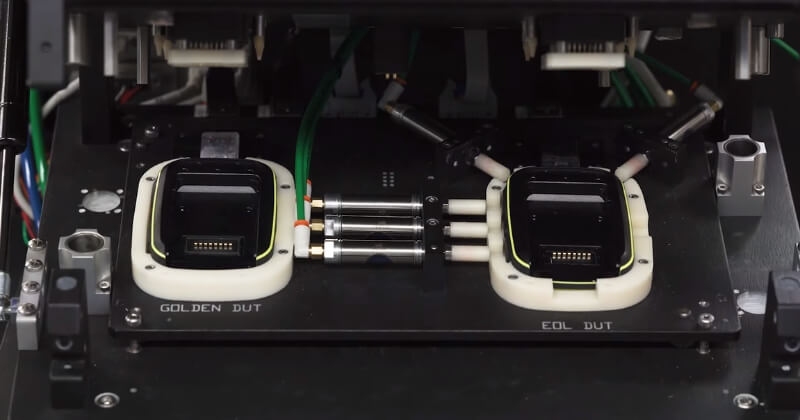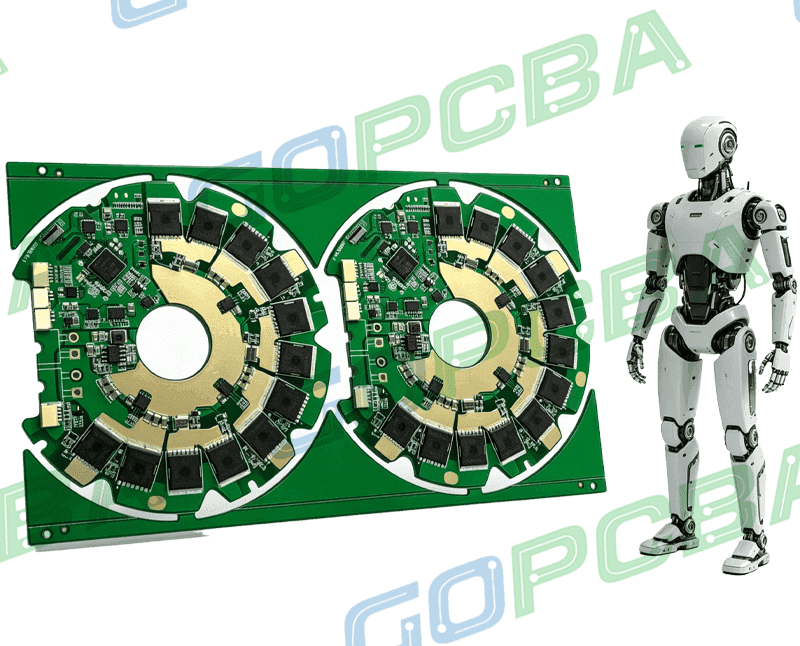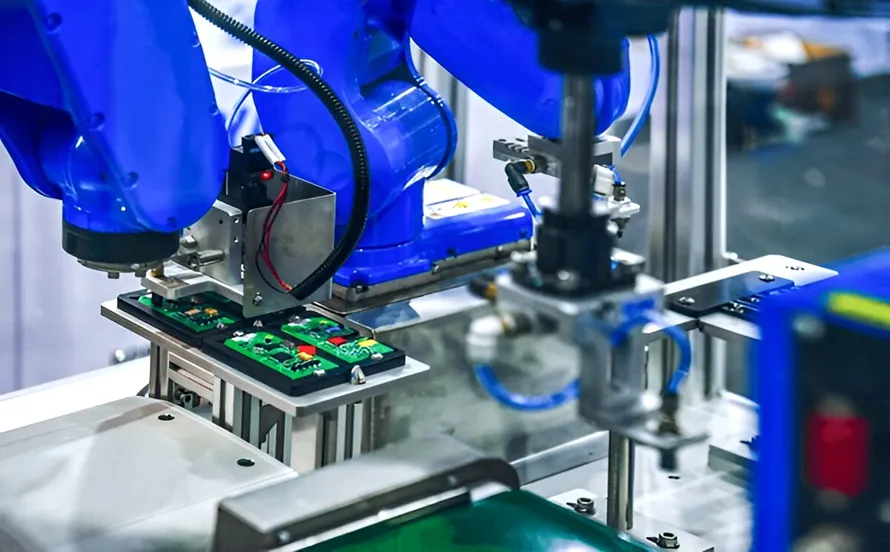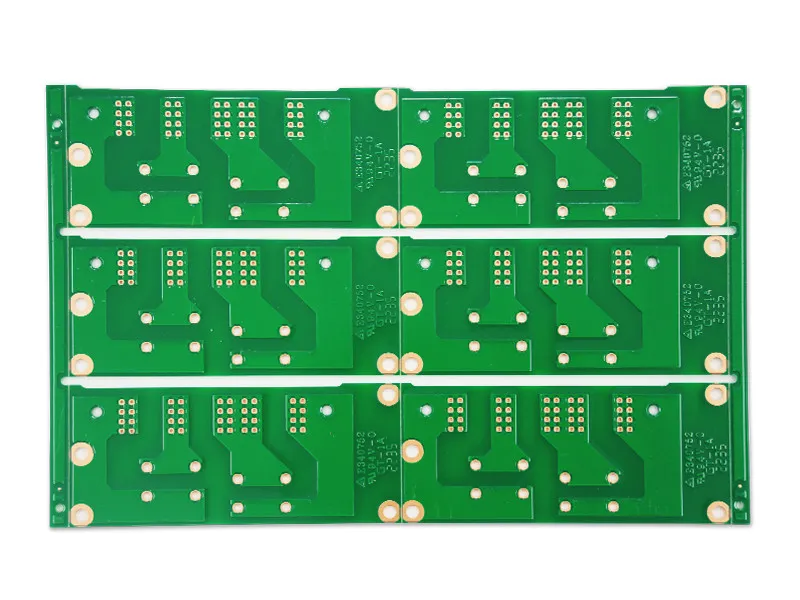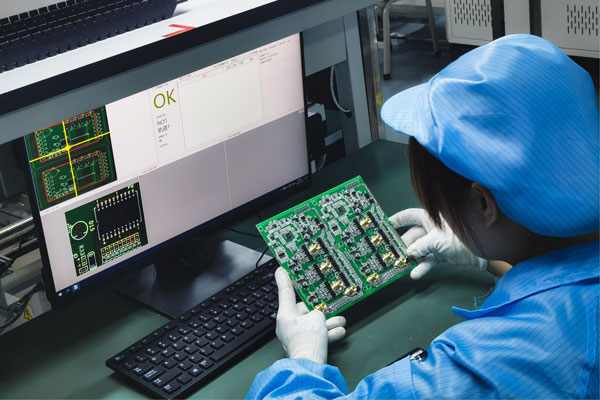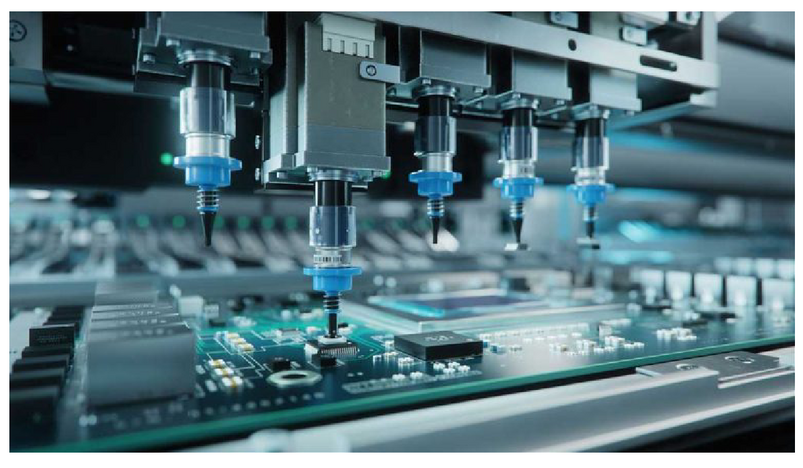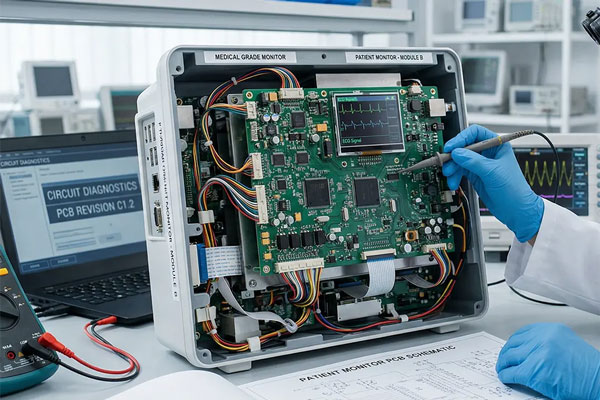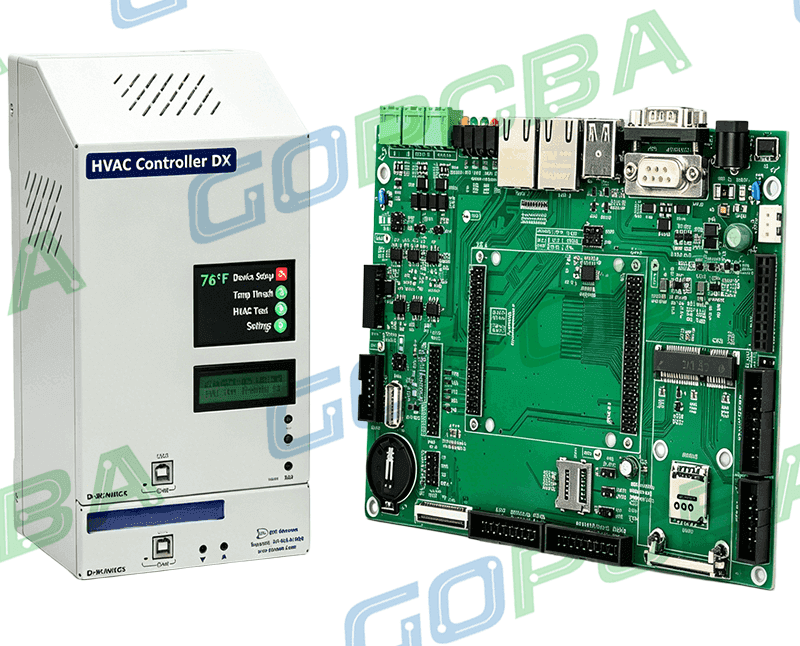
PCB HAST Test Conditions: From Design to Repeatable Production Electronics manufacturing has become a discipline of small details. Solder paste volumes, placement accuracy, temperature profiles and inspection limits all add up to the final result. This guide looks at PCB HAST test conditions from the perspective of a PCBA factory…
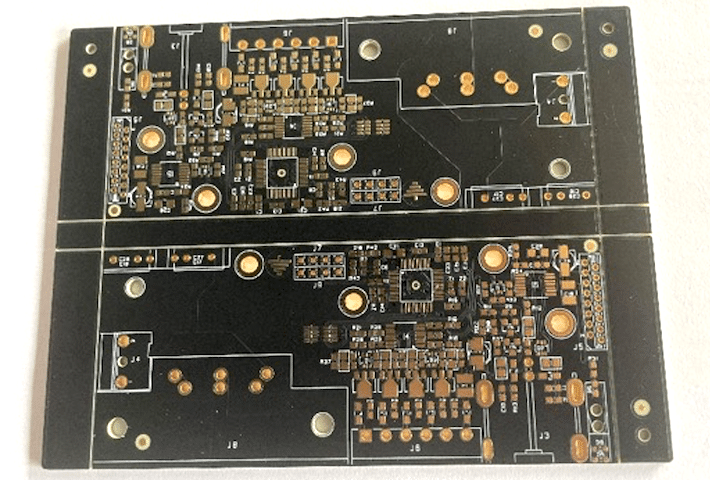
Handling Power and Ground in a Mixed-Signal PCB Layout Mixed-signal boards are difficult for reasons that have little to do with the components. The resistors, converters and processors are all ordinary parts; what makes the design hard is that the digital section injects current into the same structures the analog…
PCB Humidity Chamber Testing: What Buyers and Engineers Should Check Electronics manufacturing has become a discipline of small details. Solder paste volumes, placement accuracy, temperature profiles and inspection limits all add up to the final result. This guide looks at PCB humidity chamber testing from the perspective of a PCBA…
Shielding Methods for High-Speed PCB Design As data rates rise, the signals that carry the data become more sensitive and their energy becomes smaller at the same time. A fast edge spends a very short time at each level, and the receiver has to decide what it saw from a…
PCB Thermal Cycling Chamber Setup: Design, Process, and Quality Notes Electronics manufacturing has become a discipline of small details. Solder paste volumes, placement accuracy, temperature profiles and inspection limits all add up to the final result. This guide looks at PCB thermal cycling chamber setup from the perspective of a…
PCB Aging Test for Power Boards: A Practical Manufacturing Guide Electronics manufacturing has become a discipline of small details. Solder paste volumes, placement accuracy, temperature profiles and inspection limits all add up to the final result. This guide looks at PCB aging test for power boards from the perspective of…
How to Tell a High-Speed Signal from a Low-Speed One in PCB Design The question of which signals on a board are high speed and which are not comes up in every layout review, and it is usually answered with the clock frequency. That answer is wrong often enough to…
PCB Burn in Test Procedure: Running the Board Hot Modern electronics depend on boards that are assembled correctly the first time. Every product – a phone, a charger, a medical instrument or an industrial controller – relies on thousands of solder joints that must conduct current for years. This article…
Importing and Updating a Netlist in PCB Layout The transfer from a schematic to a layout is where a design stops being a drawing and starts being a physical object, and the netlist is the document that carries the intent across. Every change after that transfer travels the same route,…
PCB Test Socket Selection: A Practical Review for Manufacturing Teams Electronics manufacturing has become a discipline of small details. Solder paste volumes, placement accuracy, temperature profiles and inspection limits all add up to the final result. This guide looks at PCB test socket selection from the perspective of a PCBA…