PCB Gasket Sealing for Enclosure: A Practical Manufacturing Guide Modern electronics depend on boards that are assembled correctly the first time. Every product – a phone, a charger, a medical instrument or an industrial controller – relies on thousands of solder joints that must conduct current for years. This article…
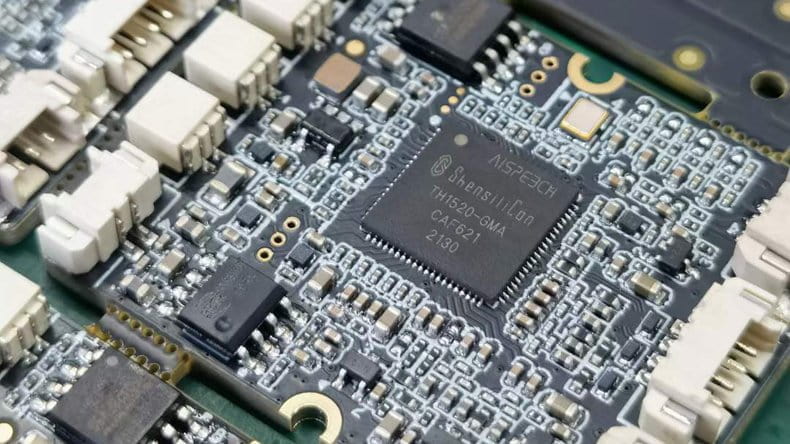
BGA Assembly: Placement, Reflow and How the Joints Are Inspected A ball grid array is a package whose connections are underneath the body rather than around the edge. That single change of geometry is what makes the package attractive, because it allows hundreds of connections in a small area, and…
PCB Encapsulation Thermal Expansion: Two Materials That Move Differently Electronics manufacturing has become a discipline of small details. Solder paste volumes, placement accuracy, temperature profiles and inspection limits all add up to the final result. This guide looks at PCB encapsulation thermal expansion from the perspective of a PCBA factory…
RF PCB Design: Impedance Control and Isolation on the Board Radio frequency circuits are designed in two places at once. The schematic sets the topology, the matching and the gain, and the layout determines the impedance of every connection between those components. A perfect schematic on a board that ignores…
PCB Potting Void Control: A Practical Review for Manufacturing Teams Buyers and engineers often focus on the finished product and forget the production line behind it. In practice, most field failures can be traced back to process decisions made during assembly. Understanding PCB potting void control gives you a practical…
PCB Design Mistakes: The Errors That Reach Production Most of the errors that stop a board from being built are not electrical. They are documentation and geometry mistakes that pass a design rule check because no rule covers them, and they surface when the fabrication data is processed or when…
PCB Coating Rework and Touch Up: From Prototype to Volume Production Buyers and engineers often focus on the finished product and forget the production line behind it. In practice, most field failures can be traced back to process decisions made during assembly. Understanding PCB coating rework and touch up gives…
PCB Quality Inspection: What You Can Judge Without a Microscope Not every quality question requires a laboratory. When a batch of bare boards arrives, several of the characteristics that separate a controlled process from an approximate one are visible to the naked eye, or with modest magnification. None of them…
PCB Coating Cure Profile: Key Process and Quality Checks Modern electronics depend on boards that are assembled correctly the first time. Every product – a phone, a charger, a medical instrument or an industrial controller – relies on thousands of solder joints that must conduct current for years. This article…

PCB Drilling Defects: Hole Wall Debris and Oversized Holes Two of the most common drilling defects in PCB fabrication look unrelated but come from the same family of causes. One is debris left on the wall of the hole, which interferes with plating and produces a connection that is weak…