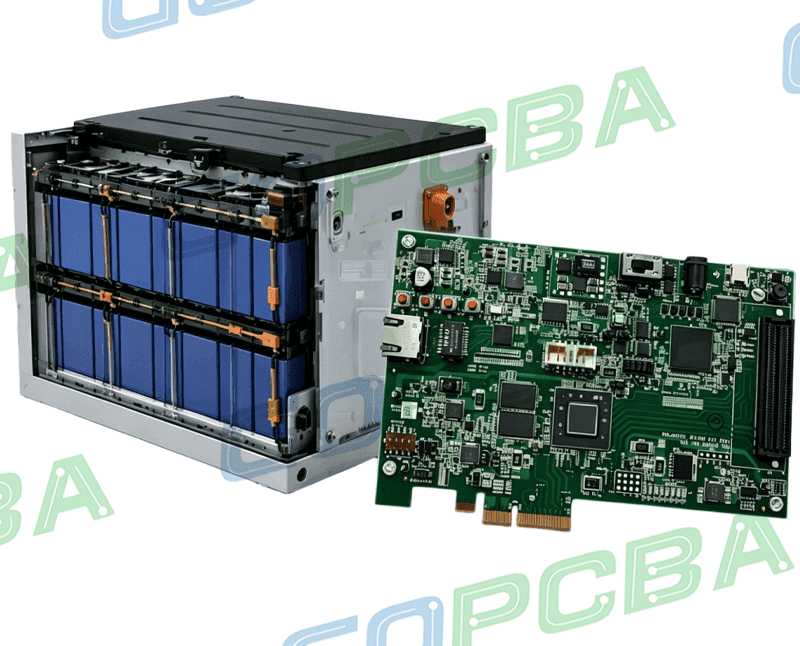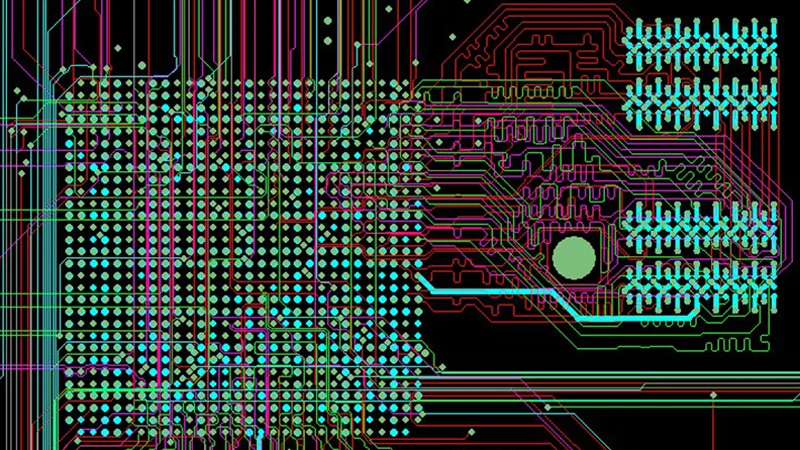
PCB ESD Damage During Assembly: From Prototype to Volume Production Electronics manufacturing has become a discipline of small details. Solder paste volumes, placement accuracy, temperature profiles and inspection limits all add up to the final result. This guide looks at PCB ESD damage during assembly from the perspective of a…
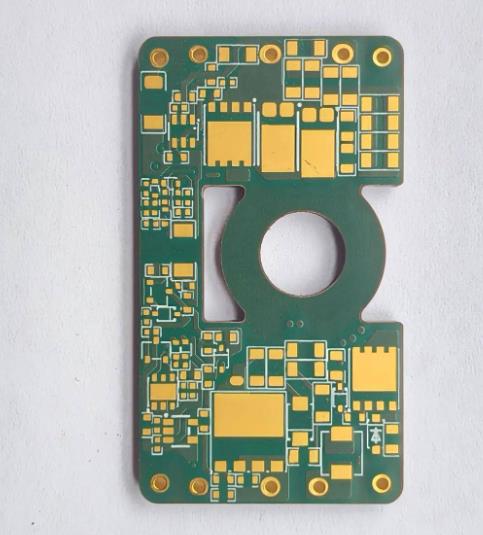
Low Cost PCB Volume Production: Where the Money Goes Low Cost Is a Design Outcome, Not a Purchase Price In volume manufacturing, the board cost inside a product directly determines bill of materials cost, margin and competitive position. That makes cost reduction a genuine engineering objective rather than a procurement…
The Three Main Types of Printed Circuit Boards Explained According to wiring layer count and process difficulty, PCBs are mainly divided into three categories, covering all scenarios from simple toy circuits to high-end precision equipment: 1. Single-Sided PCB (Single-Layer Board) The simplest and lowest-cost PCB, with copper traces and…
PCB Solder Skip After Wave: A Factory-Floor Review Modern electronics depend on boards that are assembled correctly the first time. Every product – a phone, a charger, a medical instrument or an industrial controller – relies on thousands of solder joints that must conduct current for years. This article explains…
PCB Sourcing Strategy: Comparing Chinese and Overseas Supply Where a Board Is Built Is a Strategic Decision Choosing where a printed circuit board is manufactured stopped being a simple purchasing question some time ago. It now determines cost structure, delivery speed, quality consistency, supply chain resilience and, on some programmes,…
How to Apply Solder Mask on a PCB: PCB Design & PCB Manufacturing Guide As electronic products continue to become smaller, faster, and more powerful, printed circuit boards (PCBs) are required to deliver higher electrical performance, tighter dimensional tolerances, and greater long-term reliability. From electric vehicles and industrial control systems…
Impedance Control PCB Design: Stackup, Tolerance and Test From Optional to Mandatory There was a period when controlled impedance was a specification reserved for radio frequency boards and a handful of demanding digital interfaces. That period is over. As edge rates have steepened and data rates have risen, impedance control…
PCB Flux Spatter: Dots of Flux on the Board Electronics manufacturing has become a discipline of small details. Solder paste volumes, placement accuracy, temperature profiles and inspection limits all add up to the final result. This guide looks at PCB flux spatter from the perspective of a PCBA factory floor,…
Direct Plated Copper in PCB Fabrication: Process and Reliability The Step That Decides Whether a Via Conducts Every plated through hole in a printed circuit board depends on a thin conductive layer being formed on the drilled hole wall before electroplating can build the copper up to its final thickness.…
PCB Pin Hole in Solder Joint: A Practical Manufacturing Guide Modern electronics depend on boards that are assembled correctly the first time. Every product – a phone, a charger, a medical instrument or an industrial controller – relies on thousands of solder joints that must conduct current for years. This…