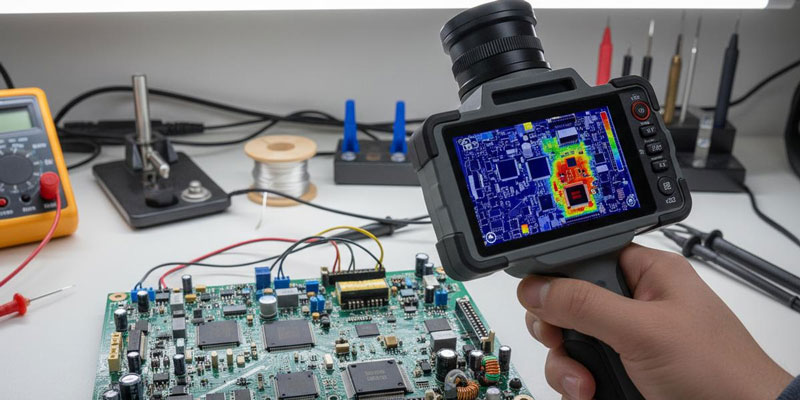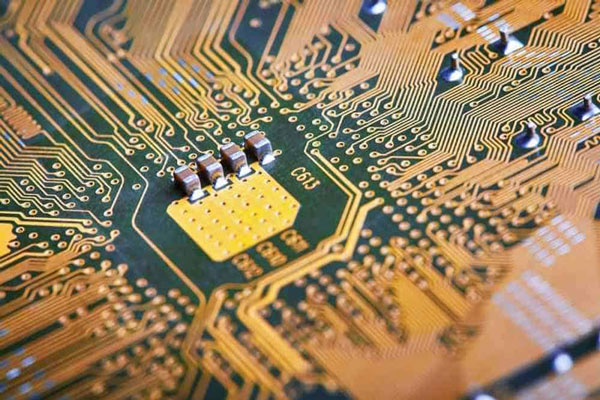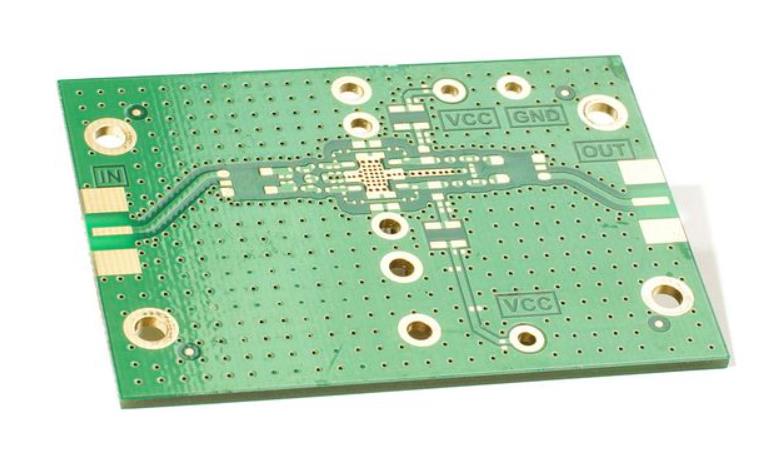
Design for Testability: DFT Rules for PCB Assembly What Design for Testability Means Design for testability is the practice of making a board easy to verify, so that a fault introduced during manufacture is found before the product leaves the factory rather than by the customer. It is a design…
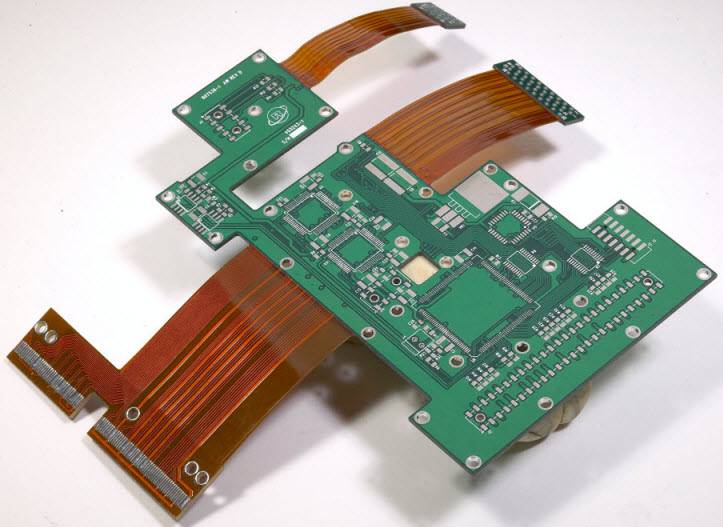
PCB Board Handling Gloves and ESD: Hands That Do No Harm Buyers and engineers often focus on the finished product and forget the production line behind it. In practice, most field failures can be traced back to process decisions made during assembly. Understanding PCB board handling gloves and ESD gives…
PCB vs PWB: What the Terms Mean and Why It Matters Two Terms for One Object The two abbreviations describe the same physical object, a board with conductors and features that carry signals and power, but they come from two different traditions and they carry slightly different meanings. A printed…
PCB Selective Conformal Coating: Coating Only Where It Is Needed Buyers and engineers often focus on the finished product and forget the production line behind it. In practice, most field failures can be traced back to process decisions made during assembly. Understanding PCB selective conformal coating gives you a practical…
Portable Power Station PCBA: Design Guide What the Board Set Does A portable power station is a battery, an inverter and a set of converters in a case with a handle. The electronics accept energy from the mains, from a solar panel and from a car outlet, store it in…
Avoiding Seven Common Mistakes in PCB Process Design PCB process design is not only about making a circuit work. It is about making the board manufacturable, assemblable, testable, and reliable in real production. Many designers focus on schematic correctness and software DRC results, but still run into low yield, assembly…
PCB Conveyor Edge Clearance: Space the Rails Need Buyers and engineers often focus on the finished product and forget the production line behind it. In practice, most field failures can be traced back to process decisions made during assembly. Understanding PCB conveyor edge clearance gives you a practical advantage when…
PCB Panel Support During Assembly: Backing the Board Up Electronics manufacturing has become a discipline of small details. Solder paste volumes, placement accuracy, temperature profiles and inspection limits all add up to the final result. This guide looks at PCB panel support during assembly from the perspective of a PCBA…
China vs India PCB Manufacturing: A Practical Comparison Why the Comparison Comes Up Almost every hardware programme that sources printed circuit boards in Asia considers both countries, and the decision is rarely about price alone. China is the largest producer of printed circuit boards in the world and hosts the…
PCB Stencil Frame Material: Mesh, Cast or Machined Modern electronics depend on boards that are assembled correctly the first time. Every product – a phone, a charger, a medical instrument or an industrial controller – relies on thousands of solder joints that must conduct current for years. This article explains…