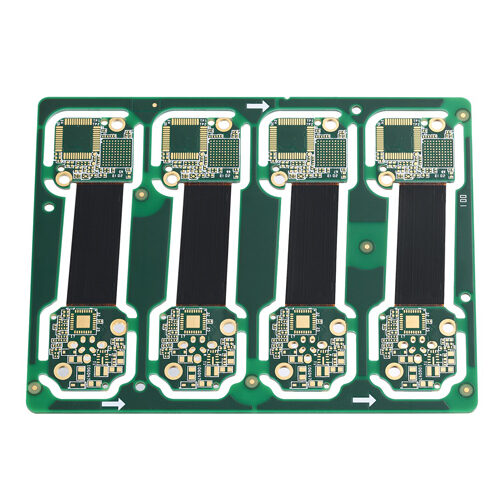
FFC vs FPC: How to Choose a Flexible Circuit The Two Families Flexible interconnects are grouped under two names that are often used interchangeably and are not the same thing. A flat flexible cable, or FFC, is a set of parallel round or flat conductors laminated between two thin plastic…
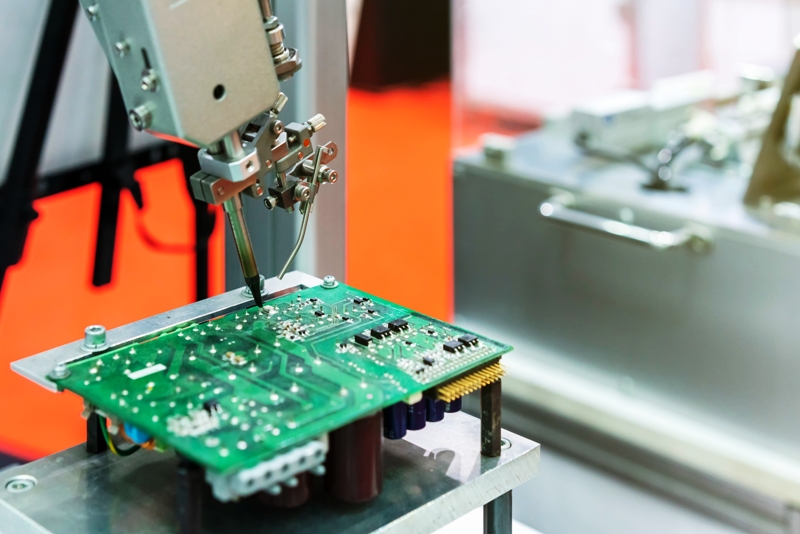
SMT Conveyor Vibration Control: Keeping the Board Steady Electronics manufacturing has become a discipline of small details. Solder paste volumes, placement accuracy, temperature profiles and inspection limits all add up to the final result. This guide looks at SMT conveyor vibration control from the perspective of a PCBA factory floor,…
SMT Cooling Zone Control: How Fast the Joint Sets Electronics manufacturing has become a discipline of small details. Solder paste volumes, placement accuracy, temperature profiles and inspection limits all add up to the final result. This guide looks at SMT cooling zone control from the perspective of a PCBA factory…
DDR3 vs DDR4 PCB: Routing and Stack-Up Differences Why the Memory Interface Sets the Board The DRAM interface is usually the fastest parallel bus on a board, and it is the one that decides the layer count, the stack-up and much of the routing budget. It is also unforgiving: a…
SMT Reflow Soak Zone Purpose: Why the Pause Matters Buyers and engineers often focus on the finished product and forget the production line behind it. In practice, most field failures can be traced back to process decisions made during assembly. Understanding SMT reflow soak zone purpose gives you a practical…
Rogers RO4003C: High Frequency Laminate Guide What RO4003C Is RO4003C is a high frequency laminate made from a ceramic filled hydrocarbon thermoset resin reinforced with woven glass. It is not a PTFE based material, and that is the point: it delivers a low, stable dielectric constant and a low loss…
PCB Copper Foil Thickness: Choosing the Foil Weight Buyers and engineers often focus on the finished product and forget the production line behind it. In practice, most field failures can be traced back to process decisions made during assembly. Understanding PCB copper foil thickness gives you a practical advantage when…
PCB Drill Tolerance: Design, Process, and Quality Notes Electronics manufacturing has become a discipline of small details. Solder paste volumes, placement accuracy, temperature profiles and inspection limits all add up to the final result. This guide looks at PCB drill tolerance from the perspective of a PCBA factory floor, covering…
Wearable PCB: Design, Materials and Manufacturing What Makes a Wearable Board Different A wearable board is a small electronic product that is worn on the body, and the constraint that dominates it is not the circuit. It is the combination of a very small volume, a very small battery, a…
PCB Impedance Tolerance: How Close Is Close Enough Buyers and engineers often focus on the finished product and forget the production line behind it. In practice, most field failures can be traced back to process decisions made during assembly. Understanding PCB impedance tolerance gives you a practical advantage when you…