Drill Bit Storage: Crib Control for PCB Tool Condition
Drill bit storage is the part of the tool cycle that happens between resharpening and the machine, and it is where a surprising amount of damage occurs. A bit stored badly can arrive at the spindle already dulled or chipped. A crib treated as a store room rather than as a process area will show it in the hole quality data within a month.
The storage area is also a control point for traceability. A shop that cannot say how many times a bit has been reground, or how long it has sat in the crib, cannot make a defensible decision about when to retire it. Keeping that history on the bin rather than on a central sheet is what makes it usable at the machine.
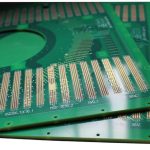
<img src="https://www.gopcba.com/wp-content/uploads/2026/09/55-2.jpg" alt="Drill bit storage in a PCB tool crib with bits held in packaging” />
What Drill Bit Storage Has to Do
Storage has to protect the cutting edge, keep the bit identified and deliver it to the machine in the condition it left the grinder. Those three requirements are what separate a tool crib from a drawer. It is judged by the condition of the bit that reaches the collet, not by how tidy the shelves look. The crib is the only place where a bit is stationary long enough to be inspected properly.
It also has to keep the inventory usable. Bits mixed by size, or stored without their regrind history, get used in the wrong place, and the resulting hole quality problem is then blamed on the machine. A crib that cannot answer where a bit has been is not a control point at all.
The Tool Crib Layout
The crib should be laid out by diameter and by type, with the oldest stock at the front so that it is used first. A layout that puts new and reground bits in the same bin guarantees that the reground ones are used as though they were new. Labelling should use the diameter and the type in a form that a new operator can read without a key.
Access matters as much as layout. Where the crib is behind a locked door the machine operators will hoard bits at the machine, and the stock in the crib stops matching what the records say is there. A crib that is two minutes from the machine will be used properly, and one that is not will be bypassed.
Packaging and Protection
Bits should be held in the packaging that was designed for them, with the shank located and the flute clear of anything that can touch it. Loose bits in a tray touch each other at the cutting edge, which is exactly where damage matters. The packaging should be replaced when it stops holding the bit securely rather than when it falls apart.
Plastic tubes and foam blocks both work while they are sound. Foam that has hardened or crumbled is worse than no foam, because the grit it sheds is abrasive and it ends up on the cutting edges. A tube with a cracked end will let the flute touch whatever it is packed against. A bin that has been dropped will contain a mix of sound and damaged bits.
Humidity and Contamination
Tungsten carbide is hard but not immune to a damp atmosphere, and a crib that shares space with plating or cleaning will see condensate and chemical vapour. Cobalt in the binder is the part that suffers. The relative humidity and the temperature should be recorded in the crib like any other process area.
The room should be dry and separated from the wet processes, and the stock should be kept closed rather than open to the air. A dehumidifier is cheap compared with a batch of bits that has to be scrapped. Stock stored next to an open tank will show surface corrosion within a few weeks.
Handling at the Machine
Most damage happens in the last metre of the journey. Bits are dropped, pushed into a collet at an angle or laid on the machine table while the operator does something else. A bit placed on the machine bed while the collet is cleaned is a bit at risk.
A simple rule helps more than a training course: a bit is either in its packaging, in the collet or in the return bin. The handling discipline in drill bit regrind management work starts from the same principle. The habit is easier to hold when the correct packaging is within reach of every machine.
Stock Rotation and Traceability
Every bit should carry an identity that survives grinding, and the record should follow it through every cycle. Where that is not practical, the batch and the regrind count should at least be recorded against the bin it came from. A regrind count stamped on the shank survives the grinder, and a paper label does not.
Rotation should be enforced rather than encouraged. A bin that contains a mixture of regrind counts cannot be rotated, and the tool life data taken from it will be an average of several different histories. Where the mark is lost, the bit should be treated as unknown rather than as new.
Damage and Its Signs
Damage can be seen before the bit reaches a panel. A chipped corner, a shiny wear land on the lip or a discoloured edge all show that the bit should not be used. Inspection should be quick enough that it is actually done, and specific enough to catch a bent shank. A bit that fails the check should be removed from stock rather than returned to the bin.
A bent shank is the hardest to see and the most damaging, because it destroys the runout of whatever it is fitted to. The measurement described in drill bit runout work should be used to confirm it rather than an eyeball judgement. A bit that fails the check should be removed from stock rather than put back in the bin.
Records and Reviews
The record should carry the diameter, the regrind count, the date into the crib and the machine it was issued to. Reviewed monthly, it shows whether the crib is protecting tools or merely holding them. The issue record should name the machine, since a holder problem looks exactly like a storage problem.
Where the shop works to a published standard, such as the drilling documents from IPC, that reference belongs in the procedure. The hole quality that comes out of it is checked by PCB drill slot quality work at the other end of the process. A review that never changes a limit is a review that is not being used.
FAQ
Why does storage affect hole quality? Because a bit that has been chipped, bent or contaminated in the crib drills differently from one that has not. The defect appears at the panel, but the cause is often upstream.
Should new and reground bits share a bin? No. A reground bit has a shorter life, and mixing the two means the life data and the rotation both become meaningless.
What is the biggest cause of crib damage? Handling at the machine rather than conditions in the crib. Bits are dropped or laid down in the last metre of the journey far more often than they are spoiled in storage.