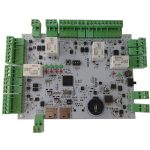
Hot Air Leveling Flux Control: 6 Variables for Even HASL Coating
Hot air leveling remains one of the most demanding steps in a PCB shop, and the hot air leveling flux often decides whether a panel leaves the machine with an even coating or a patchy one. Flux does three jobs at once: it cleans the copper surface, shields it from re-oxidation during preheat, and helps molten solder wet the pads. When any of those jobs slips, defects appear as dewetting, solder balls or uneven thickness. This guide covers six flux variables an operator can measure and adjust.
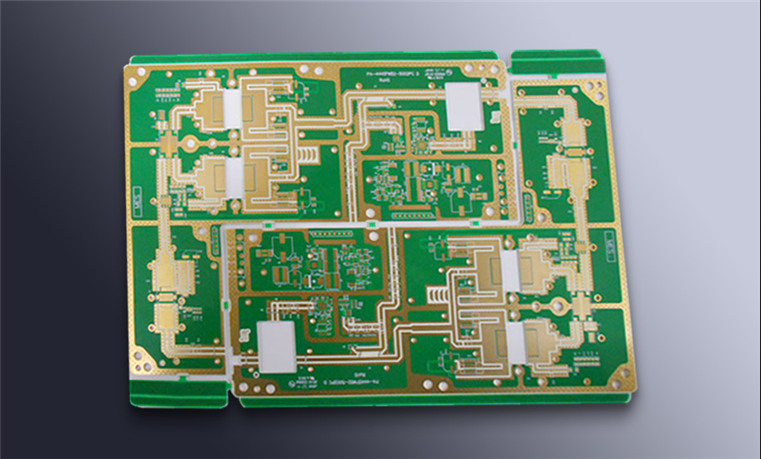
How Hot Air Leveling Flux Differs From Wave Solder Flux
Wave solder flux and leveling flux are formulated for different thermal histories. Wave flux sees a short contact with a wave and a mild preheat, so it can stay active for seconds. Leveling flux must survive immersion in solder at 245 to 260 degrees Celsius and still reduce oxides that form at the surface. That is why leveling chemistries carry higher solids and a more aggressive activator package.
The practical consequence is that the two cannot be substituted. Using a wave flux on a leveling line usually produces heavy residue, smoke and incomplete wetting on fine pitch pads. Using leveling flux in a wave machine leaves corrosive activator behind after assembly. Keep the two baths physically separated and label every container by its process.
Specific Gravity and Acid Number Checks
Specific gravity is the fastest indicator of flux concentration. As water evaporates from an aqueous flux, gravity climbs and the activator becomes more concentrated, which raises activity and residue. Measure gravity with a hydrometer at a fixed 25 degrees, then correct to that temperature before comparing with the specification. Most leveling fluxes run between 1.05 and 1.12, but the trend matters more than one reading.
Acid number tells you how much activator remains available. A falling acid number with a stable gravity points to neutralized activator and depleted capacity, which is common after a long shift of high-volume panels. Record both readings at the start and end of every shift so drift is visible before panels start showing dewetting or white residue.
Flux Application Thickness on the Panel
Too little flux leaves copper unprotected between the fluxer and the solder pot. Too much flux traps solvent under the solder and produces bubbles, solder balls and a dull surface. Aim for a thin, continuous film across the whole panel, including rail edges and any large ground plane. Foam fluxers, spray fluxers and roller coaters each deposit differently, so the setting has to match the hardware.
Check coverage under ultraviolet light if the flux contains a tracer, or weigh a sample panel before and after fluxing to get a coat weight. Panels with heavy copper or large openings need more flux than fine pitch boards because they carry more heat away. Recheck the setting whenever the panel mix changes during a shift.
Setting the Flux Preheat Window
The flux preheat window is the temperature band where the activator is fully active but the carrier has not yet boiled away. Below the window the flux stays wet and flashes off violently in the solder, throwing solder balls. Above the window the flux dries out before the panel reaches the pot, so copper oxidizes again and wetting suffers.
Measure the panel surface temperature just before the panel enters the solder, not the oven air temperature. Infrared readings on bare copper and on masked areas differ, so take both. Adjust preheat in small steps and allow the oven ten minutes to stabilize before judging the result from the solder appearance.
Solder Pot Temperature and Dwell Time
Hot air solder leveling works inside a narrow thermal band. If pot temperature is too low, solder drains slowly and the coating stays thick, causing bridging on fine pitch. If it is too high, intermetallic growth accelerates and the coating becomes brittle. The usual range is 245 to 260 degrees, but panels with high thermal mass may need the upper end.
Dwell time matters as much as temperature. A short dip leaves pads cold, while an extended dip dissolves more copper into the pot. Keep the dip long enough for full wetting and no longer. Track pot chemistry, including copper and iron levels, because contamination raises the liquidus temperature and pushes operators to raise the set point. The same discipline that keeps metal levels in range on other wet lines, such as tin plating bath control, applies to keeping a solder pot predictable.
Air Knife Pressure and Coating Uniformity
The air knife controls how much solder stays on the surface after the panel clears the pot. Pressure that is too low leaves thick solder and bridges; pressure that is too high blows pads thin and can damage fine features. Set pressure by panel type and verify it with a coupon that carries pads of several sizes. Even coating also depends on pad flatness, which our guide to HASL flatness covers in detail.
Solder leveling uniformity also depends on knife geometry. A clogged slot or a damaged lip creates a stripe pattern that repeats across every panel. Inspect and clean the knife at each shift change, and confirm that both sides of the machine are balanced so the leading and trailing edges drain the same way.
Managing HASL Flux Residue
HASL flux residue is not only a cosmetic problem. Left on the surface, it can hold moisture, interfere with solder mask adhesion, and cause poor results in later assembly. Most residues are water soluble and come off in a hot rinse with mechanical action, but dried or baked-on flux needs a longer dwell and a stronger cleaner.
Plan cleaning as part of the leveling line rather than an afterthought. Rinsing while the panel is still warm removes flux far more easily than waiting until it cools. Verify cleanliness with a water break test, and record the conductivity of the final rinse so the cleaning bath does not become the contamination source.
Flux Bath Maintenance and Contamination Limits
Flux baths load up with copper, tin and organic debris from the panels themselves. Copper in particular accelerates the loss of activator and shifts the gravity reading. Sample the bath on a fixed schedule, filter it continuously, and replace a portion of the volume at defined intervals instead of waiting for a defect to appear.
Keep a log of gravity, acid number, copper level and make-up volume for each bath. When a bath reaches the end of its useful life, dump and clean the tank instead of topping it up again and again. Partly used baths are a common source of erratic results, and they are easy to spot once the log is kept honestly.
Incoming Inspection and Supplier Control
Incoming inspection protects the line before a bad drum reaches the tank. Ask the supplier for the certificate of analysis, then confirm gravity, pH and appearance on receipt. Reject drums with sediment, unusual odor or separation, because those signs usually mean the batch aged past its shelf life or froze in transit.
Keep one approved supplier and one backup for each flux family, and qualify the backup with test panels before switching production. Public test methods published by IPC help when writing acceptance criteria, and they give both sides a common language when a batch is disputed.
FAQ
How often should hot air leveling flux be tested? Test gravity, acid number and copper at least once per shift, and again after any long stop or tank top-up. High-volume lines benefit from a mid-shift check because aqueous flux concentrates steadily as water evaporates from the bath.
Can HASL flux be reused after filtering? Partial reuse is possible when filtration removes particulates and the acid number is still in range. Contamination keeps growing, so blend used flux with fresh at a fixed ratio and discard the bath once the metal levels reach their limit.
What causes white residue after leveling? Usually excess activator left on the surface, thin rinse water, or panels cooled before cleaning. Confirm with a water break test and a rinse conductivity reading, then raise rinse temperature or shorten the delay before the panels are cleaned.