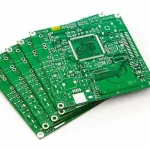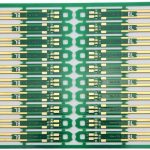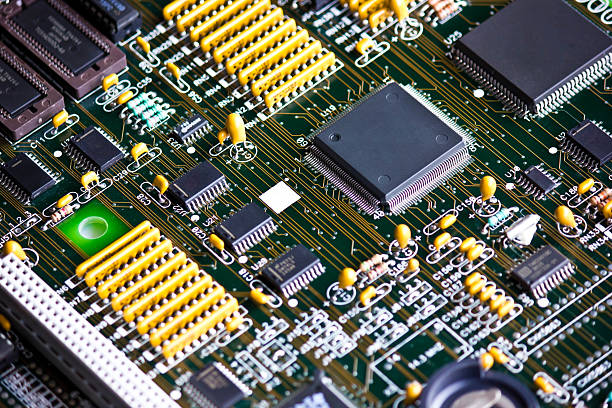
PCB Prototyping Manufacturer: Fast and Reliable PCB Prototyping Services
For electronics companies developing new products, fast and reliable PCB prototyping is an essential part of the product development process. Engineers and R&D teams often need prototype boards in small quantities to verify circuit designs, test electrical performance, identify potential design problems, and prepare products for production.
A professional PCB Prototyping Manufacturer can provide more than basic circuit board fabrication. A complete prototyping solution may integrate PCB manufacturing, component sourcing, PCB assembly, testing, and engineering support into one streamlined process.
By working with an experienced PCB manufacturing and assembly partner, product developers can shorten development cycles, reduce engineering risks, and move from prototype to production more efficiently.
Why PCB Prototyping Is Important for Electronics Development
PCB prototyping allows engineers to validate a design before committing to large-scale manufacturing.
During the prototype stage, engineers can evaluate:
- Electrical performance
- Circuit functionality
- Component compatibility
- PCB dimensions and mechanical fit
- Signal integrity
- Thermal performance
- Assembly quality
- Potential manufacturing problems
Prototype production is particularly important for complex electronic products because even a well-designed PCB can encounter unexpected issues during physical testing.
Instead of discovering problems after mass production begins, companies can use prototype boards to identify and correct design issues at an early stage.
This makes PCB Prototyping an important bridge between PCB design and volume manufacturing.
What Does a Professional PCB Prototype Service Include?
A complete PCB Prototype Services solution typically covers several stages, from design verification to final assembly.
PCB Design and Engineering Review
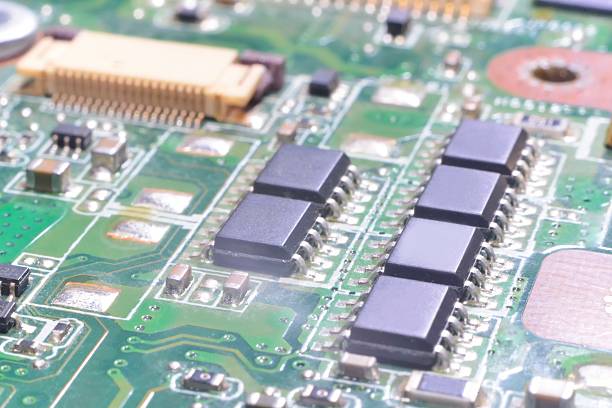
Before manufacturing begins, PCB design files can be reviewed to identify potential manufacturing and assembly issues.
Typical design considerations include:
- Component placement
- Trace width and spacing
- Via structures
- Layer configuration
- Copper thickness
- Board dimensions
- Solder mask and silkscreen
- Manufacturing tolerances
- Component availability
A professional engineering review can help identify potential problems before they result in production delays.
For customers who require design assistance, PCB Design and Layout services can also help optimize PCB layouts for manufacturability, reliability, and assembly efficiency.
PCB Fabrication
After design verification, the PCB is manufactured according to the approved specifications.
Depending on the application, prototype boards may use different PCB structures and materials, including:
- Single-layer PCBs
- Double-sided PCBs
- Multilayer PCBs
- High-frequency PCBs
- Flexible PCBs
- Rigid-flex PCBs
Material selection should consider electrical performance, thermal requirements, mechanical requirements, operating environment, and overall product cost.
Prototype PCB Assembly
PCB fabrication alone does not produce a functional electronic product. Components must also be installed and soldered onto the board.
Prototype PCB Assembly enables engineers to receive assembled circuit boards that can be tested directly in the target application.
Depending on the product requirements, assembly may include:
- SMT component placement
- Through-hole component installation
- Mixed-technology assembly
- Component soldering
- Inspection
- Functional testing
Prototype assembly allows development teams to evaluate the complete electronic system instead of testing only the bare PCB.
Fast Turnaround for PCB Prototype Development
Speed is one of the most important requirements during product development.
When engineers are waiting for prototype boards, delays in PCB manufacturing or assembly can affect the entire development schedule. Fast prototype production allows engineering teams to identify problems earlier and complete design iterations more quickly.
A streamlined production process can reduce unnecessary communication between multiple suppliers.
For example, instead of ordering bare PCBs from one supplier, components from another supplier, and assembly from a third supplier, an integrated manufacturing partner can coordinate these processes through a single production workflow.
This approach can simplify project management and reduce overall development time.
Low-Volume PCB Production for Product Validation
After the initial prototype has been verified, companies often need a small batch of PCBs for additional testing.
These boards may be used for:
- Engineering validation
- Field testing
- Customer evaluation
- Certification testing
- Pilot production
- Product demonstrations
- Pre-production testing
At this stage, Low Volume PCB Assembly provides an efficient solution between prototype development and mass production.
Low-volume production allows manufacturers to build more units without immediately committing to large production quantities.
This is particularly useful for startups, research organizations, industrial equipment manufacturers, and companies launching new electronic products.
PCB Assembly Technologies for Prototype Projects
Different electronic products require different assembly technologies. A flexible PCB assembly provider should be able to support multiple manufacturing methods.
SMT PCB Assembly
Surface-mount technology is widely used for modern electronic products because it supports compact components and high-density PCB designs.
SMT PCB Assembly is suitable for many applications, including:
- Consumer electronics
- Industrial control equipment
- Communication devices
- Automotive electronics
- Medical electronics
- Computing hardware
SMT assembly can support high component density while maintaining efficient automated production.
Through-Hole PCB Assembly
Through-hole technology remains important for components that require strong mechanical connections or specific electrical characteristics.
Typical applications include:
- Connectors
- Switches
- Large capacitors
- Transformers
- Power components
- Mechanical components
Through-Hole PCB Assembly can be combined with SMT technology when a PCB contains both surface-mount and through-hole components.
Mixed-Technology PCB Assembly
Many modern electronic products use both SMT and through-hole components.
Mixed-Technology PCB Assembly combines these technologies within the same PCB assembly process.
This approach is particularly useful when a product requires compact SMT components together with mechanically robust through-hole components.
Flexible PCB Prototyping
Flexible PCBs provide advantages for products where space, weight, or mechanical movement is important.
Unlike traditional rigid circuit boards, flexible PCBs can bend or fold to fit complex mechanical structures.
Applications include:
- Wearable electronics
- Medical devices
- Automotive electronics
- Cameras
- Portable electronics
- Compact consumer products
For these applications, Flex PCB Assembly can provide a complete solution for assembling components onto flexible circuit boards while maintaining the mechanical characteristics required by the final product.
From Prototype to Mass Production
A successful prototype should not only work electrically—it should also provide a practical path toward production.
During the transition from prototype to volume manufacturing, engineers should consider:
- Component availability
- PCB manufacturability
- Assembly process
- Production yield
- Testing requirements
- Supply chain stability
- Material costs
- Production scalability
A PCB supplier capable of supporting both prototypes and production batches can make this transition much easier.
For projects that have passed validation and require larger production quantities, High Volume PCB Assembly can provide a scalable manufacturing solution.
The goal is to maintain consistent quality while increasing production capacity.
Turnkey PCB Manufacturing and Assembly
Managing PCB manufacturing, component purchasing, assembly, and testing through separate suppliers can create additional complexity.
A turnkey manufacturing model integrates multiple processes through one supplier.
A typical turnkey PCB assembly process may include:
- PCB design review
- PCB fabrication
- Component procurement
- PCB assembly
- Quality inspection
- Electrical testing
- Final delivery
Turnkey PCB Assembly can simplify supplier management and provide better coordination between PCB fabrication, component sourcing, and assembly.
This is especially valuable for companies that want to reduce internal procurement workload and accelerate product development.
Component Procurement and Supply Chain Management
Electronic components can have a significant impact on PCB prototype schedules.
Component shortages, obsolete parts, long lead times, and inconsistent sourcing can delay assembly even when the PCB itself is ready.
Professional component procurement can help address these challenges through:
- Component availability checks
- Manufacturer and part-number verification
- Alternative component evaluation
- Supply chain coordination
- Incoming component inspection
- Inventory management
Reliable Components Procurement is therefore an important part of an efficient PCB prototyping workflow.
Quality Control During PCB Prototyping
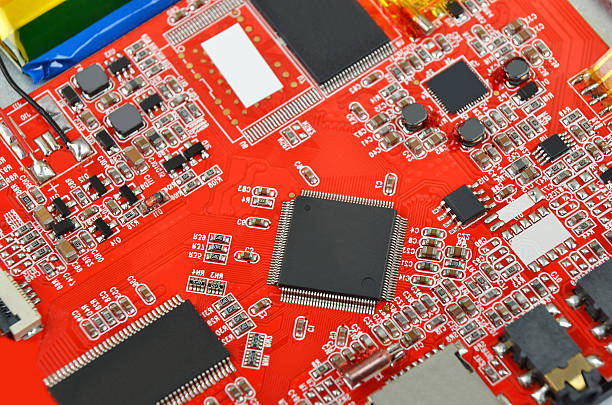
Prototype boards should be manufactured with the same attention to quality as production PCBs.
Quality control may include inspection at different stages of manufacturing and assembly.
Important inspection processes can include:
- PCB fabrication inspection
- Solder paste inspection
- Automated optical inspection
- Component placement inspection
- Solder joint inspection
- Electrical testing
- Functional testing
Quality control helps ensure that prototype results accurately reflect the performance of the intended production design.
If a prototype contains manufacturing defects, engineers may incorrectly attribute the problem to the circuit design. Reliable manufacturing and inspection processes therefore play an important role in engineering validation.
How to Choose a PCB Prototyping Manufacturer
Choosing the right PCB Prototyping Manufacturer can significantly influence the speed and reliability of product development.
Before selecting a supplier, companies should evaluate several factors.
Manufacturing Capabilities
Check whether the supplier can support the PCB technologies required by the project, including multilayer, HDI, high-frequency, flexible, and rigid-flex PCBs when necessary.
Assembly Capabilities
A capable supplier should support the required assembly technologies and component packages.
Engineering Support
Engineering assistance can help identify design and manufacturing problems before production.
Turnaround Time
Fast prototype production is important when development schedules are tight.
Quality Management
The supplier should have appropriate inspection and testing processes to maintain consistent manufacturing quality.
Production Scalability
Ideally, the same supplier should be able to support the project from prototype quantities through low-volume production and eventually high-volume manufacturing.
Supply Chain Capability
Reliable component sourcing can help prevent assembly delays caused by component shortages or long lead times.
PCB Prototyping for Different Industries
PCB prototype manufacturing is used across many industries because electronic products increasingly require customized circuit designs.
Typical applications include:
Industrial Electronics
Industrial controllers, automation equipment, power systems, and monitoring devices often require reliable and durable PCBs.
Automotive Electronics
Automotive applications can require PCBs capable of operating under demanding temperature, vibration, and electrical conditions.
Medical Electronics
Medical devices often require high reliability and strict quality control because PCB performance can directly affect equipment functionality.
Communication Equipment
Communication products may require high-frequency and high-speed PCB technologies to maintain signal integrity.
Consumer Electronics
Compact consumer products often require high-density PCB designs combined with efficient SMT assembly.
Conclusion
PCB prototyping is a critical step in modern electronics product development. It enables engineers to verify designs, identify potential problems, optimize manufacturing processes, and prepare products for larger-scale production.
A professional PCB Prototype Services provider can offer much more than bare PCB fabrication. By integrating PCB manufacturing, prototype assembly, component procurement, testing, and engineering support, a complete manufacturing partner can help companies shorten development cycles and reduce production risks.
From the first prototype to Low Volume PCB Assembly and eventually high-volume production, choosing a capable manufacturing partner can provide a smoother and more efficient path from concept to finished electronic product.
For companies developing new electronic products, an experienced PCB Prototyping Manufacturer with integrated manufacturing and assembly capabilities can be a valuable part of the product development process.